

AI CERTS
2 hours ago
Content Safety Under Fire: AI Slop Threatens YouTube Kids
Consequently, investors, regulators, and families scrutinize every corporate move, especially around emerging automation. Recent revelations show that roughly 40% of suggested preschool videos contained AI-generated visuals. Furthermore, 21% of newcomer Shorts recommendations were classified as AI slop in watchdog tests. Those figures expose systemic Content Safety gaps that critics call unacceptable for vulnerable audiences. The following report dissects the controversy, analyzes data, and previews potential industry changes.
Advocacy Pressure Rapidly Intensifies
Fairplay for Kids spearheaded the recent advocacy surge. Moreover, its open letter gathered signatures from pediatricians, educators, and digital rights lawyers within weeks. Signatories demanded platform labeling of synthetic media and an outright ban inside the Made for Kids label. They also requested a parental toggle to block AI slop across all accounts used by children. In contrast, campaign supporters accused YouTube of profiting from engagement spikes generated by algorithmic novelty.
Rachel Franz stated that AI slop “hypnotizes young children, making it hard for them to get off their screens.” Consequently, mainstream outlets amplified the Content Safety debate and echoed parental frustration. The letter positioned corporate funding of Animaj as evidence of conflicting incentives. Nevertheless, Google representatives insisted that only a small subset of high-quality channels reaches Kids viewers. Advocates countered that internal audits remain private, impeding external verification of any improvement claims.
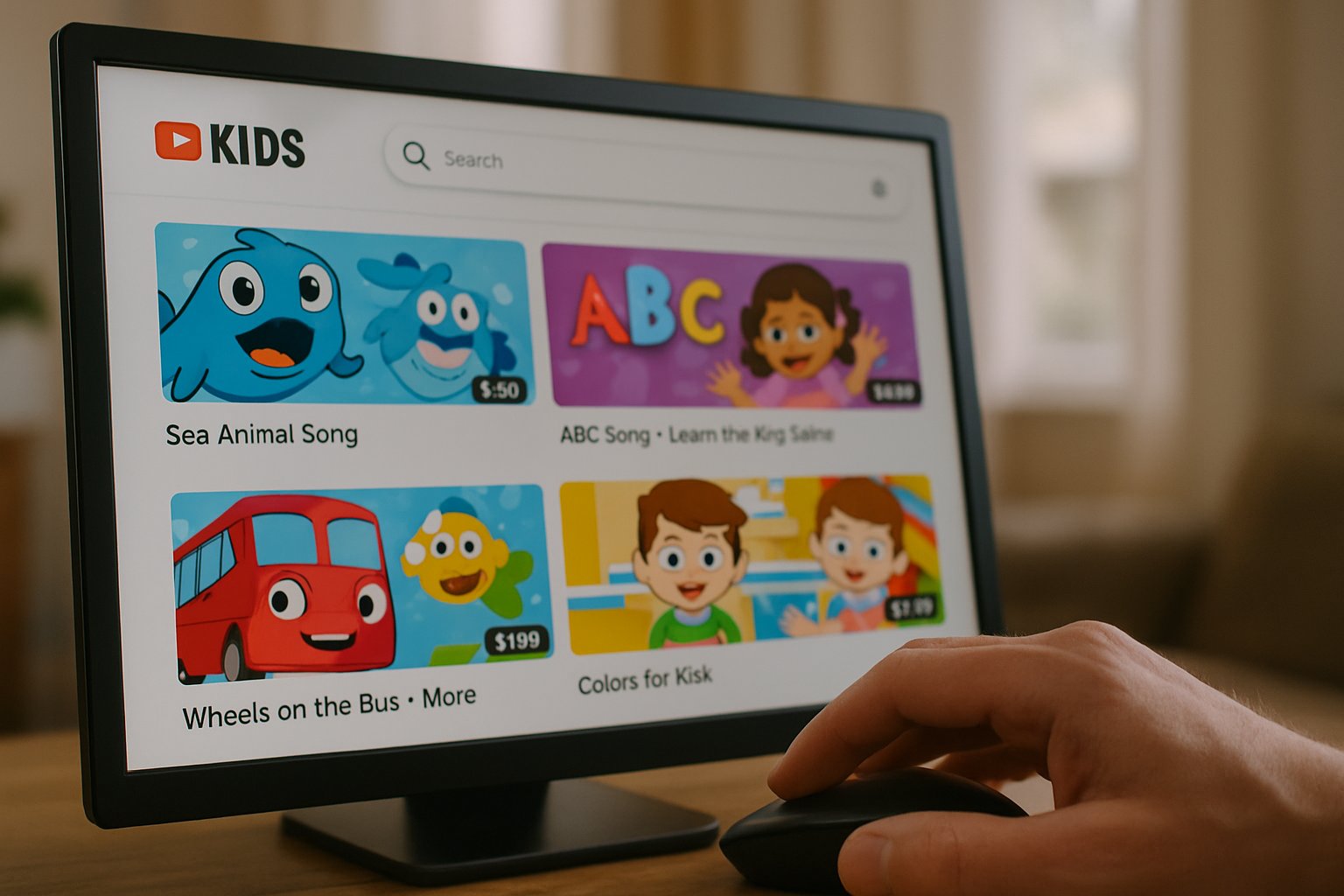
These demands underscore public impatience with voluntary measures. Next, we explore how industry leaders are responding under mounting scrutiny.
Industry Response Landscape Today
Chief Executive Neal Mohan acknowledged the controversy in his January 2026 annual letter. Moreover, he named managing AI slop a top company priority for the year. YouTube spokespeople claim their Kids application restricts synthetic clips to vetted channels. However, they declined to disclose the percentage of automated videos still passing through filters. Instead, they highlighted new disclosure badges and a forthcoming provenance watermark framework.
Consequently, critics argue that transparency without enforcement leaves fundamental Content Safety holes unpatched. Google’s AI Futures Fund complicates the narrative by investing $1 million in Animaj during March. In contrast, Mohan insists the funding will accelerate responsible production guidelines for emerging studios. Regulators watching the OECD incident report remain unconvinced about self-regulation claims. Therefore, external auditors urge public release of metrics demonstrating measurable reductions in harmful recommendations.
The mixed messages illustrate strategic tension between growth and guardianship. Our next section quantifies how algorithms currently expose young viewers to questionable media.
Algorithmic Exposure Statistics Spotlight
Independent audits put concrete numbers behind advocacy rhetoric. Furthermore, a February New York Times test found roughly 40% of recommended preschool videos contained synthetic imagery. Observers note that the sample included popular shows followed by dozens of random autoplay suggestions. Consequently, Fairplay reported similar figures for Shorts, citing a 21% AI content share for new profiles. OECD categorized the phenomenon as an AI incident due to psychological harm risks for children.
Meanwhile, Fairplay estimates top synthetic kids channels earned over $4.25 million last year. These revenues reveal a robust incentive structure favoring speed over Content Safety. YouTube data also show more than one million creators using internal AI tools each day. Nevertheless, the company has not released granular breakdowns of how many uploads target minors. Researchers now design replication studies to validate or challenge the 40% headline number.
Such empirical work will clarify the scale of algorithmic amplification. Before examining developmental impacts, we must define why repetitive synthetic visuals worry specialists.
Developmental Risks Explained Clearly
Pediatric researchers warn that fast-cycling images strain early cognitive processes. Moreover, overstimulation can hinder executive function growth, according to Dr Jenny Radesky. In contrast, high-quality educational programming allows reflection pauses and narrative structure. Consequently, repeated exposure to synthetic noise may displace constructive playtime for children. Rachel Franz argues that mesmerizing loops extend screen sessions beyond healthy limits. Furthermore, mispronounced auto-generated dialogue can teach incorrect phonetics during sensitive language windows.
Such concerns extend to misleading factual claims embedded in pseudo-educational scripts. Therefore, medical associations urge platforms to prioritize Content Safety over watch-time metrics. They call for age-appropriate design updates, stronger provenance signals, and effective parental controls. Evidence suggests young brains cannot parse disclosure badges, rendering transparency alone insufficient.
Collectively, these developmental findings demand policy innovation beyond voluntary guidelines. The following section evaluates funding decisions that potentially worsen the trust deficit.
Policy And Funding Paradox
Public statements promising reform have collided with corporate investment realities. Google’s stake in Animaj arrived mere weeks before the advocacy letter. Moreover, Animaj reported 22 billion views during the previous year, underscoring commercial potential. Critics argue the investment validates the very supply chain activists call harmful. Meanwhile, the platform insists funding will uplift production quality through new editorial standards. However, no binding contract language has been released to guarantee Content Safety benchmarks.
Regulators may scrutinize whether the partnership constitutes unfair marketing to children under COPPA. Consequently, shareholder proposals now request clearer impact metrics for youth-oriented media spending. Legal scholars predict class actions should evidence of harm becomes indisputable. Nevertheless, voluntary audits could preempt litigation by validating safeguards transparently.
These conflicting incentives reveal a governance paradox in digital entertainment. Next, we assess concrete mitigation proposals circulating among standards bodies.
Mitigation Tools Proposed
Standards groups outline several technical and policy levers. Additionally, professional upskilling is essential for educators navigating new media realities.
- Mandatory provenance labels embedded via C2PA metadata
- Algorithmic caps on repetitive animations per session
- Parental toggles defaulting synthetic content off
- Third-party audits reporting quarterly Content Safety metrics
- Teacher training through the AI Educator™ certification
Collectively, these proposals pair Content Safety design changes with workforce development commitments. Such coupling may accelerate adoption while sustaining accountability momentum.
Future Oversight Scenarios
Forecasting regulatory trajectories requires examining emerging international frameworks. Furthermore, OECD incident tracking will likely inform binding standards within the G20 digital policy group. The European Commission already tests recommender risk assessments under the Digital Services Act. Consequently, platforms serving minors could face annual algorithmic audits similar to financial disclosures. In the United States, bipartisan bills propose civil penalties when Content Safety promises go unmet.
Meanwhile, state attorneys general monitor youth marketing cases for precedential opportunities. Industry leaders such as YouTube might preempt mandates by publishing transparent dashboards and granting researcher API access. Nevertheless, watchdogs insist that dashboards include children specific metrics and independent verification. Investors also weigh reputational downside against revenue derived from synthetic animation. Therefore, multi-stakeholder compacts could emerge linking disclosure, enforcement, and incentive alignment.
These developments indicate accelerating governance convergence across markets. We conclude by synthesizing lessons and recommending immediate steps for practitioners.
Youth media is entering a pivotal accountability era. Moreover, advocates, investors, and regulators align around clear evidence of recommendation failures. Platforms face growing pressure to embed Content Safety deeper than disclaimers or optional toggles. Consequently, decision-makers must balance innovation incentives against developmental well-being. Rigorous audits, transparent dashboards, and bound commitments can rebuild eroding public trust.
Meanwhile, educators can strengthen classroom media literacy through the AI Educator™ certification. Finally, stakeholders should collaborate on enforceable global baselines before another engagement cycle widens existing gaps. Act now: demand verified safety metrics and champion responsible creative tools in every digital program.


