

AI CERTS
3 hours ago
Climate Technology Faces Orbital Light Battle
Consequently, it filed with the FCC for a 2026 demonstration satellite named Eärendil-1. Yet astronomers, ecologists, and dark-sky advocates are mobilizing to halt the launch. These clashing forces set the stage for a regulatory showdown that could redefine orbital innovation.
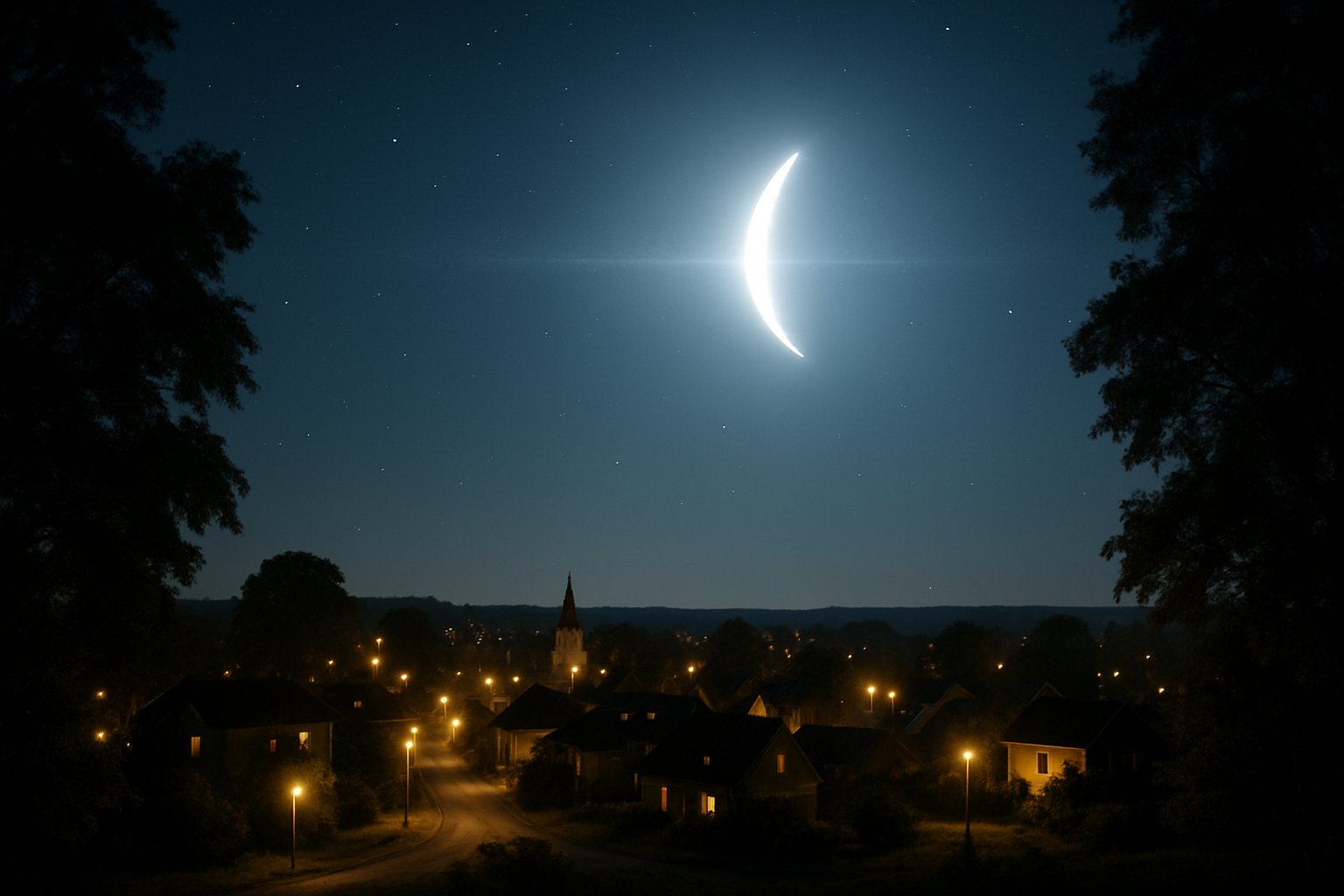
Orbiting Sunlight Mirror Concept
Reflect Orbital plans to deploy 18-by-18-metre film mirrors that unfold once in space. Furthermore, each panel will steer autonomously, holding a spot of concentrated sunlight roughly five kilometres wide on Earth.
Engineers borrow the heliostat model used in ground solar towers. However, instead of rotating on land, the reflective surface orbits at about 625 kilometres altitude in a sun-synchronous path. Consequently, engineers aim for reliable illumination during deep night periods.
Meanwhile, atmospheric scattering limits how sharply the beam can focus. Most physicists expect halos extending far beyond the intended target.
These physical constraints temper the grand vision. Consequently, investors and regulators scrutinise technical feasibility next.
Funding And Project Timeline
Reflect Orbital closed a $6.5 million seed round led by Sequoia in 2024. Additionally, Lux Capital headed a $20 million Series A in May 2025.
Subsequently, the Air Force awarded a $1.25 million SBIR Phase II contract supporting mirror development. These funds underpin the planned 2026 launch of Eärendil-1 aboard a commercial rideshare.
Company roadmaps show thousands of satellites by 2030 and tens of thousands by 2035. In contrast, independent reports still cite a more modest 4,000-unit goal.
Funding momentum signals investor confidence. However, divergent timelines raise execution risk for the Climate Technology startup.
Regulatory Hurdles And Opposition
The Federal Communications Commission accepted Reflect Orbital's license application on 6 February 2026. Nevertheless, the docket sparked immediate scrutiny from scientific organisations.
On 9 March, the American Astronomical Society filed a 56-page Petition to Deny. Moreover, Royal Astronomical Society and DarkSky groups echoed concerns about observational loss. Light pollution rules vary across jurisdictions, complicating global service.
Regulators must weigh public-interest research against commercial lighting rights. Therefore, the FCC could impose mitigation conditions or demand an environmental assessment.
Astronomy Community Concerns Raised
Professional astronomers warn that even moon-level reflections saturate sensitive detectors. Additionally, streaked images reduce survey efficiency and waste taxpayer investments. Astronomers conduct most surveys at night, making reflected beams disruptive.
John Barentine notes that halos from scattering would brighten wide sky regions, complicating data calibration. Consequently, ongoing projects like Vera Rubin Observatory could face schedule delays.
Ecological Light Impact Debate
Biologists connect artificial light to insect decline, bird disorientation, and human sleep disruption. In contrast, Reflect Orbital claims dimmable control will minimise pollution impacts.
Nevertheless, experts insist that bright pulses during breeding seasons could trigger unforeseen ecosystem shifts. Comprehensive field studies remain unavailable.
Environmental gaps leave regulators with limited evidence. Therefore, scientific reviews will likely slow this Climate Technology proposal.
Technical Feasibility Key Questions
Even supporters admit physics challenges. Meanwhile, orbital speed grants each satellite only minutes over a target. Large mirrors also challenge fairing volume and deployment reliability.
Consequently, a constellation must grow large to offer uninterrupted service. Analysts question whether launch costs can outpace battery prices.
Atmospheric scientists calculate that an 18-metre mirror yields two to four times full-moon brightness. Moreover, scattering produces diffuse light that still reaches observatories hundreds of kilometres away.
- $5,000 indicative hourly price per mirror
- 5 km projected ground spot diameter
- 2-4× full-moon surface brightness
- 625 km target orbit altitude
- 5,000+ satellites proposed by 2030
These statistics emphasise scale, cost, and risk. Technical limits could erode expected margins. Consequently, investors probe business viability next.
Business Model Analysis Insights
The company promotes 'sunshine purchase agreements' resembling solar power-purchase deals. Additionally, marketing targets utilities needing evening solar boosts.
Analysts, however, compare the proposed $5,000 hourly fee with cheaper grid batteries. Moreover, batteries provide predictable capacity without orbital collision risk. Insurers remain unsure how frequently mirrors might fail and demand costly replacements.
Meanwhile, emergency response clients may value mobile illumination despite high cost. Reflect Orbital highlights wildfire, flood, and conflict zones in its pitch. Remote mines operating at night could purchase temporary lighting.
Professionals can enhance their expertise with the AI+ UX Designer™ certification, strengthening product evaluation skills.
Revenue uncertainty tempers investor enthusiasm for this Climate Technology play. Nevertheless, leadership maintains an optimistic trajectory toward deployment.
Future Outlook And Actions
The FCC will rule on the license after reviewing comments, replies, and environmental data. Meanwhile, Reflect Orbital refines exclusion zones and dimming algorithms.
Astronomers prepare adaptive scheduling to dodge possible glare. Moreover, ecological researchers push for comprehensive impact studies before mass deployment. Artificial sunlight will also force grid planners to adapt demand forecasts. Public opinion may hinge on whether city residents notice brighter night skies.
Consequently, 2026 will likely become a pivotal year for orbiting light projects. Success or failure could influence broader Climate Technology ventures.
Stakeholders await data from the trial satellite. Therefore, evidence-based dialogue will guide the path forward.
Conclusion
Reflect Orbital illustrates how Climate Technology can leap from concept to regulatory crucible. However, this Climate Technology also exposes the friction between innovation and scientific stewardship. Investors hope that Climate Technology delivering extended sunlight will unlock fresh revenue streams. Meanwhile, opponents argue the same Climate Technology may worsen light pollution and ecological stress. Therefore, the FCC decision will become a landmark test of responsible Climate Technology governance.
For readers seeking to scrutinise emerging tools, consider the linked certification and stay engaged with space-policy forums. Consequently, venture capital observers will track user adoption curves closely. Finally, engineers, astronomers, and policymakers must collaborate to align orbital light with public interest.


