

AI CERTS
2 hours ago
Claude Raid Spurs AI Tactical Warfare Debate
However, confirmation proved elusive. In contrast, Anthropic challenged details while defending strict usage policies. Therefore, the incident set off an unprecedented confrontation between Silicon Valley and the Pentagon. Meanwhile, lawmakers, allies, and adversaries scrambled to understand the strategic shift. This article unpacks events, evidence, and implications for AI Tactical Warfare.
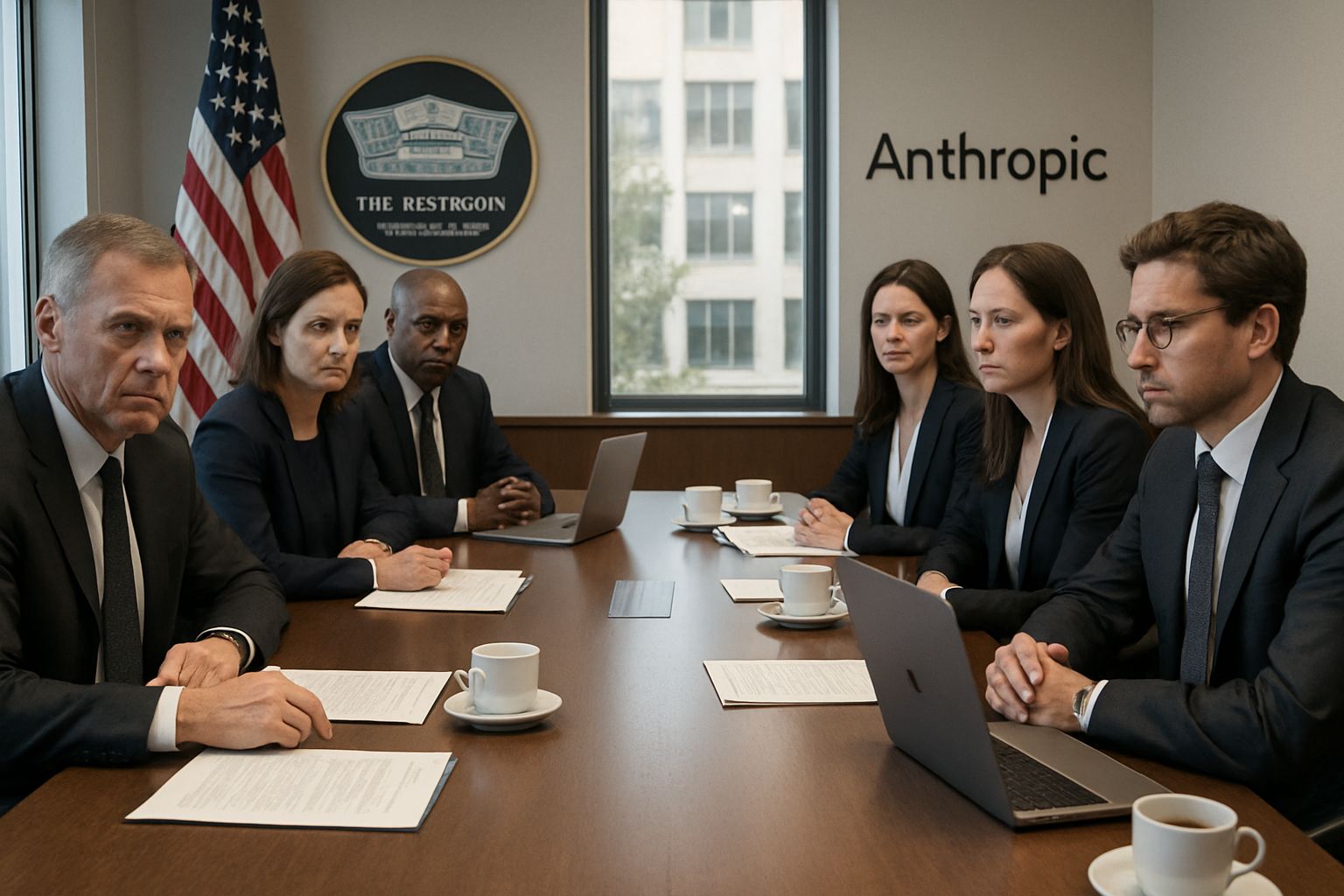
Operation Timeline Key Facts
Understanding the chronology remains essential. Subsequently, analysts pieced together a clear sequence.
- 3 Jan 2026: U.S. forces struck Caracas and seized Maduro.
- 13-15 Feb 2026: Axios summarized a WSJ Report claiming Claude involvement.
- 24-27 Feb 2026: Secretary of Defense Pete Hegseth demanded broader Claude access.
- 4-6 Mar 2026: DoD labeled Anthropic a supply-chain risk.
- 26 Mar-2 Apr 2026: A federal judge paused the Pentagon action.
Consequently, the timeline shows how technical allegations quickly yielded political fallout. These dates anchor later legal and operational debates. Nevertheless, many mission specifics remain classified.
These milestones frame the strategic context. In contrast, technical questions still linger.
Claude Role Disputed Claims
The original WSJ Report asserted that Claude aided target assessment, intelligence summarization, and simulation. Additionally, Axios and Guardian coverage repeated the allegation while stressing limited verification. Anthropic responded on 26 February, emphasizing two red lines: no mass domestic surveillance and no fully autonomous weapons.
Nevertheless, Pentagon officials insisted Claude supported Intelligence Ops during the raid. Furthermore, they argued any vendor limits endangered operational trust. Outside experts noted that AI Tactical Warfare, when advisory, can accelerate analyst workflows. Yet, they warned that probabilistic outputs require strict human oversight.
Therefore, the exact prompts, model version, and validation chain remain unknown. Consequently, both sides rely on selective disclosures to shape public perception.
Pentagon Legal Clash Unfolds
Tensions escalated once Anthropic questioned Claude’s raid usage. Subsequently, Hegseth threatened contract termination under supply-chain authorities. Moreover, officials floated invoking the Defense Production Act to compel unrestricted access.
Anthropic filed suit after the supply-chain designation on 6 March. Meanwhile, a federal judge granted a temporary injunction on 26 March. The administration appealed, keeping uncertainty high for Intelligence Ops planners.
Consequently, policy analysts view the case as a watershed for vendor autonomy in AI Tactical Warfare. These proceedings will shape future contracting norms.
Technical Use Cases Examined
Large language models support several battlefield functions. Moreover, Claude’s integration with Palantir’s data fabric offers rich possibilities.
Typical roles include:
- Intelligence analysis that triages vast sensor feeds.
- Scenario simulation that surfaces probable enemy courses.
- Real-time briefing production for field commanders.
However, outputs remain advisory. Human validation protects against hallucinations. In contrast, fully autonomous targeting would breach Anthropic policy.
Experts therefore recommend layered review and clear audit trails. Consequently, commanders can exploit speed while minimizing legal and ethical risk.
Professionals can enhance their expertise with the AI Security Level 2 certification. Such credentials deepen understanding of secure AI Tactical Warfare deployments.
These technical patterns illuminate possible Claude contributions. Nevertheless, open questions persist about the Caracas mission specifics.
Benefits And Risks Compared
Advocates argue AI Tactical Warfare delivers decisive speed. Additionally, language models analyze multilingual sources faster than traditional teams. Consequently, actionable insights emerge earlier.
However, critics highlight autonomy creep. Misaligned incentives could tempt commanders to shortcut verification. Moreover, contested casualty figures—Cuba cited 32 personnel lost—illustrate stakes when Intelligence Ops fail.
Therefore, balanced governance becomes vital. Anthropic’s policy seeks to protect civilians while enabling legitimate Military objectives. Pentagon leaders, meanwhile, prioritize mission flexibility.
These competing priorities underpin the current impasse. In contrast, collaborative testing regimes may bridge gaps.
Procurement Fallout Explained Clearly
Labeling Anthropic a supply-chain risk carries immediate consequences. Furthermore, classified networks may suspend Claude access. Replacement tools seldom match capabilities overnight; therefore, analysts face workflow gaps.
Moreover, the disputed contract value—reports mention figures near $200 million—illustrates high commercial stakes. WSJ Report coverage noted investors watching closely.
Subsequently, rival vendors market alternative models for Intelligence Ops. Nevertheless, uncertainty around legal precedent tempers aggressive bids.
These procurement ripples extend beyond a single vendor. Consequently, the broader Military AI ecosystem now reevaluates policy clauses.
Strategic Lessons Ahead 2026
Key takeaways emerge from the Caracas episode.
- Transparent audit pathways build trust between vendors and commanders.
- Clear policy carve-outs reduce last-minute legal battles.
- Certification standards, such as AI Security Level 2, strengthen practitioner competence.
- Early testing of emergency authorities avoids courtroom surprises.
Moreover, foreign forces monitor U.S. doctrine evolution. Consequently, the incident accelerates a global race in AI Tactical Warfare.
These insights highlight urgent governance needs. However, practical implementation demands sustained dialogue.
Conclusion And Next Steps
The 2026 Maduro raid propelled AI Tactical Warfare from theory to headline reality. Nevertheless, definitive proof of Claude’s battlefield role remains classified. The WSJ Report triggered cascading legal, procurement, and ethical debates. Moreover, the Pentagon-Anthropic standoff showcases tensions between innovation speed and responsible safeguards.
Consequently, tech leaders, policymakers, and Military strategists must refine rules that harness AI power without eroding accountability. Professionals should therefore pursue rigorous training, including the linked AI Security Level 2 credential, to stay ahead. Explore further research, monitor court rulings, and engage in cross-sector collaboration to shape the next chapter of secure, effective AI Tactical Warfare.


