

AI CERTS
59 minutes ago
Global Recognition Award for Data Led Construction Leadership and Mentorship Highlights Need for AI Training in Industry Transformation
The award is not just an individual achievement but also a reflection of how construction and infrastructure sectors are evolving toward more intelligent, data-centric operations.
Construction has traditionally been seen as a field driven by physical execution and on-ground expertise. However, modern infrastructure projects are increasingly dependent on real-time data, digital planning systems, predictive modelling, and intelligent monitoring tools. The recognition of a leader working at the intersection of data and construction signals a broader shift where technical leadership is becoming inseparable from digital intelligence.
The Shift Toward Data Driven Construction Ecosystems
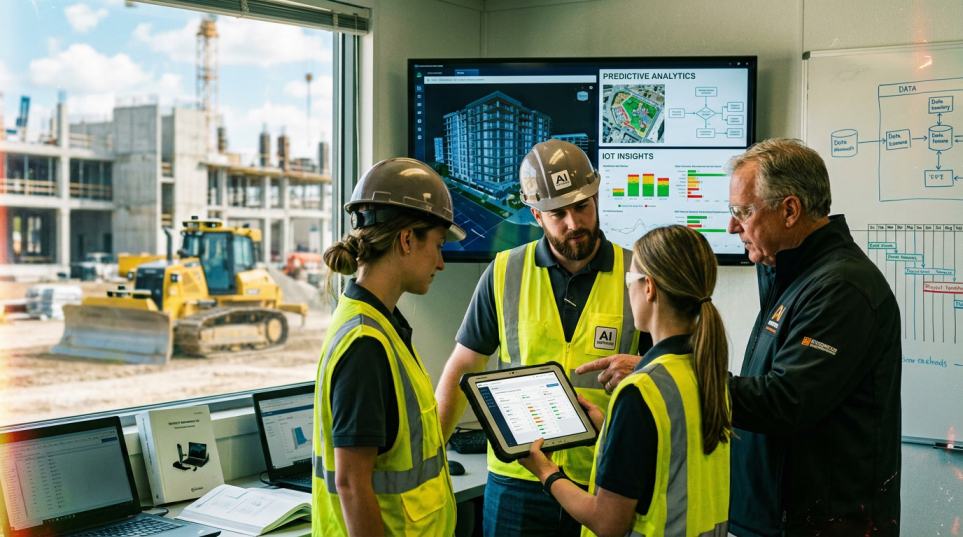
The construction industry is undergoing a fundamental transformation where data is becoming as important as engineering expertise. Large-scale infrastructure projects now rely on digital twins, IoT-enabled machinery, automated reporting systems, and AI-supported project planning tools. These technologies allow stakeholders to reduce delays, optimize resource allocation, and improve safety standards on construction sites.
The leadership highlighted in the recent recognition demonstrates how data is being used not just for reporting outcomes but for actively shaping decisions during the lifecycle of projects. This includes anticipating risks, improving supply chain coordination, and enhancing workforce productivity through analytics-driven insights. The ability to interpret and act on data has become a core leadership skill, especially in sectors that manage high-cost, high-risk operations.
Why AI Training is Becoming Essential for Industry Professionals
As industries like construction become more data dependent, artificial intelligence is emerging as the backbone of operational efficiency. AI systems are now being used to predict project delays, analyze structural risks, automate documentation, and optimize design workflows. However, the effectiveness of these systems depends heavily on the people who use them.
This is where structured AI training becomes critical. Professionals who understand how AI models work, how data is processed, and how predictive systems generate insights are better positioned to lead modern projects. Without adequate training, even the most advanced tools remain underutilized or misinterpreted, leading to inefficiencies and missed opportunities.
The recognition of data-led leadership in construction indirectly highlights a growing skills gap. While technology adoption is increasing rapidly, workforce readiness is not always keeping pace. AI training bridges this gap by equipping professionals with the ability to integrate intelligent systems into everyday workflows, ensuring that digital transformation delivers measurable results.
Bridging Traditional Expertise with Artificial Intelligence
One of the most important lessons from this development is the need to bridge traditional domain expertise with artificial intelligence capabilities. Construction professionals, engineers, and project managers bring invaluable field experience, but modern industry demands that this expertise be enhanced with digital intelligence.
AI does not replace human judgment in such environments; instead, it amplifies it. For example, predictive analytics can help project managers identify potential delays before they occur, while machine learning models can assist in optimizing material usage and reducing waste. When combined with human expertise, these tools create a more efficient and resilient operational framework.
The recognition of leadership in data-driven construction serves as a case study for how industries evolve when human expertise is aligned with advanced technologies. It demonstrates that the future belongs to professionals who can navigate both physical and digital environments with equal confidence.
Industry Lessons from Data Led Transformation
The broader lesson from this development is that digital transformation is not limited to technology companies. Even traditional sectors such as construction are becoming deeply integrated with AI-powered systems. This shift requires a change in mindset, where continuous learning and upskilling become essential components of professional growth.
Organizations that invest in AI literacy and training for their workforce are more likely to achieve long-term efficiency and innovation. On the other hand, those that delay adoption risk falling behind in competitiveness, project delivery speed, and operational accuracy. The recognition of data-driven leadership in construction serves as a reminder that innovation is now a cross-industry necessity rather than a niche advantage.
The Role of AI CERTs Authorized Training Partner in Building Future Ready Professionals
As industries continue to evolve toward data-centric and AI-enabled ecosystems, structured learning pathways become essential for sustainable growth. Programs offered through AI CERTs Authorized Training Partner help professionals and organizations build the skills needed to effectively adopt and implement artificial intelligence in real-world environments. By focusing on practical AI competencies and industry-relevant applications, such training initiatives enable professionals to bridge the gap between traditional expertise and modern technological demands, ensuring they remain competitive in an increasingly intelligent world.
Disclaimer: Some content may be AI-generated or assisted and is provided ‘as is’ for informational purposes only, without warranties of accuracy or completeness, and does not imply endorsement or affiliation.


