Altman Lawsuit Amendment reshapes high-profile family dispute
However, the heart of the fight centers on whether Missouri’s Childhood Sexual Abuse statute revives claims previously deemed untimely. Consequently, legal observers are watching closely as filings accelerate toward trial.
Judge Zachary Bluestone dismissed tort counts on March 20, 2026 but allowed an amended pleading under the CSA statute. Reuters subsequently confirmed that Annie Altman filed the revision on April 1, 2026, two days before deadline. Therefore, the docket now features fresh allegations calibrated to the extended limitations window. Meanwhile, Sam Altman presses counterclaims for defamation and abuse of process, intensifying the broader legal battle.
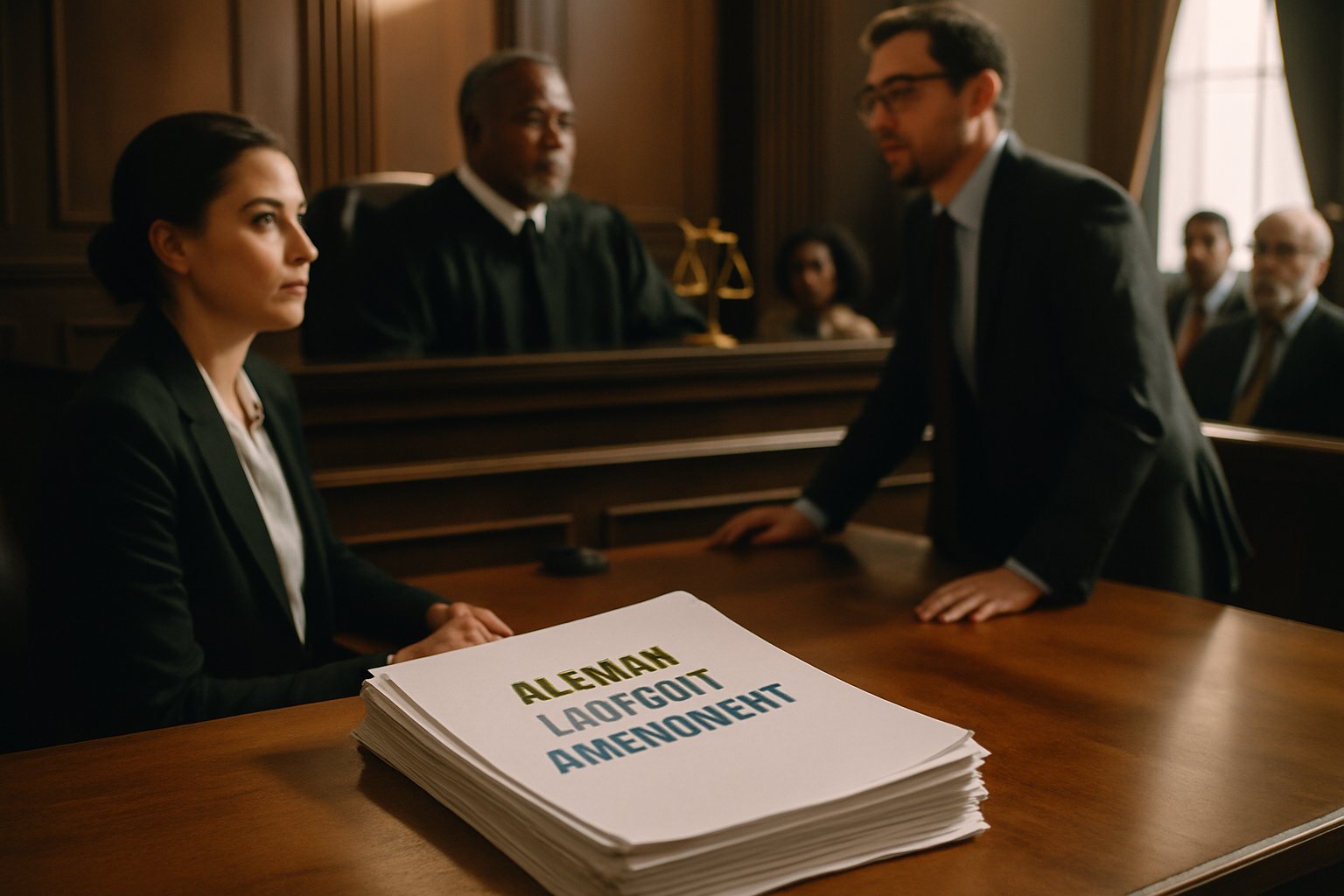
Courtroom debate centers on the Altman Lawsuit Amendment.
This article unpacks the timeline, statutory debates, and strategic choices shaping the Altman Lawsuit Amendment as litigation evolves. Additionally, we examine industry repercussions for the OpenAI CEO and outline upcoming court milestones. Readers seeking to align professional trajectories with AI governance issues can review a linked certification later in this analysis. First, a concise history sets the stage.
Timeline Of Court Actions
Alleged incidents of sexual abuse reportedly began in 1997 when Annie was three and Sam was twelve. However, the formal complaint did not arrive until January 6, 2025. That six-page filing demanded damages exceeding seventy-five thousand dollars and punitive relief. In contrast, Sam answered with categorical denial and an aggressive motion to dismiss.
Judge Bluestone partly accepted the motion, holding ordinary tort claims time-barred under Missouri’s five-year limit. Nevertheless, he invoked Missouri Revised Statute 537.046, which offers survivors of childhood sexual abuse an extended filing window. Consequently, the court granted leave for amendment and set an April 3, 2026 deadline. Subsequently, Reuters reported compliance on April 1, beating the clock by forty-eight hours.
Sam’s counterclaims survived the same ruling, ensuring a two-front litigation path. Moreover, the judge emphasized that his order addressed procedure rather than truthfulness. He wrote, “the claims are disturbing… unfortunate if not.” These remarks underscored the gravity awaiting factual discovery.
The timeline reveals rapid procedural shifts following years of silence. However, statutory nuance now drives the Altman Lawsuit Amendment toward deeper judicial review. Next, we examine how those timing rules frame the dispute.
Key Statutory Timing Questions
Missouri’s CSA statute extends filing until the survivor turns thirty-one or discovers abuse-related injury. Consequently, Annie positions her amended complaint within that enlarged horizon. Legal scholars note that different wording in the 2004 revision narrowed some tolling provisions. Nevertheless, plaintiffs can plead under section 537.046 if abuse occurred before eighteen and damages surfaced later.
Therefore, defense lawyers will likely move again to dismiss if timelines remain ambiguous. In contrast, plaintiff counsel Ryan Mahoney argues the statute squarely covers every alleged incident. Furthermore, he maintains that trauma delayed discovery of injury, granting additional leeway. The Altman Lawsuit Amendment expressly references these provisions to preserve jurisdiction.
Volokh Conspiracy commentary predicts a close textual battle over the term “brought pursuant to this section.” Moreover, courts elsewhere have split on identical language, indicating uncertain precedent. Consequently, summary judgment may hinge on granular statutory interpretation well before any jury hears facts. These complexities heighten risk for both siblings.
Statutory ambiguity fuels the current impasse. Meanwhile, each side crafts narrative strategies around the Altman Lawsuit Amendment and its timing defenses. Those narratives surface most clearly in the counterclaims.
Counterclaims And Defense Strategy
Sam Altman’s counterclaims allege that Annie’s public statements constituted defamation per se. Additionally, he accuses her of filing suit primarily to extract funds, amounting to abuse of process. Judge Bluestone held those pleadings plausible, allowing discovery on motive and falsity. Consequently, the litigation now cuts both ways, magnifying reputational stakes for the OpenAI CEO.
Defense counsel from Munger Tolles plan to subpoena Annie’s social media archives and therapy records. However, plaintiff lawyers will likely contest privileged materials under Missouri evidence rules. Moreover, third-party family members may face depositions regarding recollections of childhood events. These maneuvers could extend discovery well into 2027, delaying any trial date.
Possible dismissal if evidence disproves malice.
Settlement pressure increases with mounting costs.
Public narratives influence investor confidence.
Defamation counts transform the dispute into a broader media fight. Therefore, resolution of the Altman Lawsuit Amendment may depend as much on reputation management as on statutory text. Industry observers are already reacting to that reputational risk.
Industry Implications And Reactions
OpenAI’s board has not issued another statement since the original 2025 denial. Nevertheless, venture investors privately acknowledge concern about leadership distraction. Furthermore, enterprise clients evaluating GPT licences monitor court filings for potential impact on long-term support. Some analysts predict minimal operational effect unless a finding of sexual abuse eventually emerges.
Meanwhile, governance experts highlight how the Altman Lawsuit Amendment underscores the need for crisis protocols at AI firms. Moreover, activist shareholders could demand contingency succession planning during the legal battle. Consequently, the company may expand disclosure around litigation exposure in upcoming filings. In contrast, many employees express continued support for the OpenAI CEO, citing transformative mission focus.
Public perception remains split, reflecting polarized social media debates about power and accountability. Furthermore, survivor advocacy groups urge due process while emphasizing systemic barriers to reporting sexual abuse. These conversations illustrate reputational complexity beyond courtroom parameters. Therefore, companies across sectors study the situation for governance lessons.
Stakeholder responses show cautious pragmatism amid uncertain facts. Next, procedural calendars will determine how quickly the Altman Lawsuit Amendment advances toward resolution. The upcoming milestones deserve careful tracking.
Upcoming Procedural Milestones
First, the court must accept service of the amended complaint formally. Subsequently, Sam has twenty-one days to answer or seek another dismissal. Discovery conference will follow within sixty days under local rules. Consequently, document demands could begin before summer.
May 2026: Defense response deadline.
June 2026: Rule 26 conference.
August 2026: First discovery orders.
Moreover, the judge may schedule a mediation session to explore settlement possibilities. In contrast, either side could insist on jury trial, prolonging the legal battle. Evidence disputes regarding therapy notes might generate protective-order motions as early as autumn. These steps outline the next year of docket activity.
Procedural timing will shape financial and emotional costs. Subsequently, professionals may study the Altman Lawsuit Amendment for broader risk-management guidance. Relevant expertise can be formalized through industry certifications.
Certification Paths For Professionals
Governance, compliance, and project leads increasingly require structured knowledge of AI ethics and litigation exposure. Professionals can enhance their expertise with the AI Project Manager™ certification. Additionally, the course covers crisis communication, regulatory alignment, and vendor contracting under real-world constraints. Consequently, graduates gain tools to navigate scandals like alleged sexual abuse claims involving an OpenAI CEO.
Moreover, certified leaders improve stakeholder trust during any legal battle. Therefore, upskilling now can mitigate future operational shocks. These benefits resonate across tech, finance, and healthcare sectors. Meanwhile, our final section outlines longer-term observation points.
Certification empowers teams facing complex disputes. Next, we forecast developments beyond 2026 for the Altman Lawsuit Amendment. Anticipating future headlines remains critical.
What To Watch Ahead
Discovery battles will test family boundaries and public patience. Furthermore, any partial summary judgment could narrow issues before trial, accelerating resolution. In contrast, a failed dismissal motion would propel testimony into 2027. Consequently, investor confidence may swing with every ruling, especially for the OpenAI CEO.
Media scrutiny will intensify once deposition excerpts surface, amplifying sexual abuse narratives. Nevertheless, the court may issue protective orders to shield sensitive information. Moreover, settlement dialogues could restart quietly if discovery proves painful for either party. The Altman Lawsuit Amendment will feature prominently in those negotiations as leverage.
Regulatory agencies might observe but seem unlikely to intervene absent criminal referrals. Furthermore, congressional committees tracking AI governance could cite the case during oversight hearings. Therefore, repercussions may extend beyond Missouri federal court into national policy debate. These possibilities keep stakeholders alert through every docket update.
The Altman Lawsuit Amendment frames a rare intersection of family conflict, tech leadership, and evolving abuse statutes. Procedural clocks, defamation crossfire, and intense media scrutiny promise prolonged uncertainty. However, upcoming motions could still narrow disputes or encourage settlement within months. Meanwhile, OpenAI operations continue under watchful investors and regulators.
Staying informed helps professionals anticipate cascading governance risk. Consequently, readers should review certifications that deepen crisis management and AI compliance expertise. The linked AI Project Manager course offers structured skill paths and industry recognition. Enroll today and position yourself to steer organizations through sensitive legal battles tomorrow.