

AI CERTS
4 months ago
Security Consolidation: Why Cloud and SecOps Must Merge Now
Analysts predict the approach will define enterprise defenses during 2025 and beyond. This article unpacks the market forces, benefits, and pitfalls of the pending SecOps transformation. Additionally, it offers pragmatic guidance and links to upskill professionals through certified learning. In contrast to incremental Integration, Security Consolidation demands cultural, technical, and financial commitment. However, the potential payoff includes faster response, reduced costs, and greater Efficiency.
Market Shift Drivers Rise
Industry research underscores why the market is moving at pace. For example, Palo Alto Networks surveyed 2.8K Cloud Security professionals across ten nations. They found 89% desire a full Merge between cloud protections and SOC operations. Therefore, decision makers see strategic value in collapsing organisational distance.
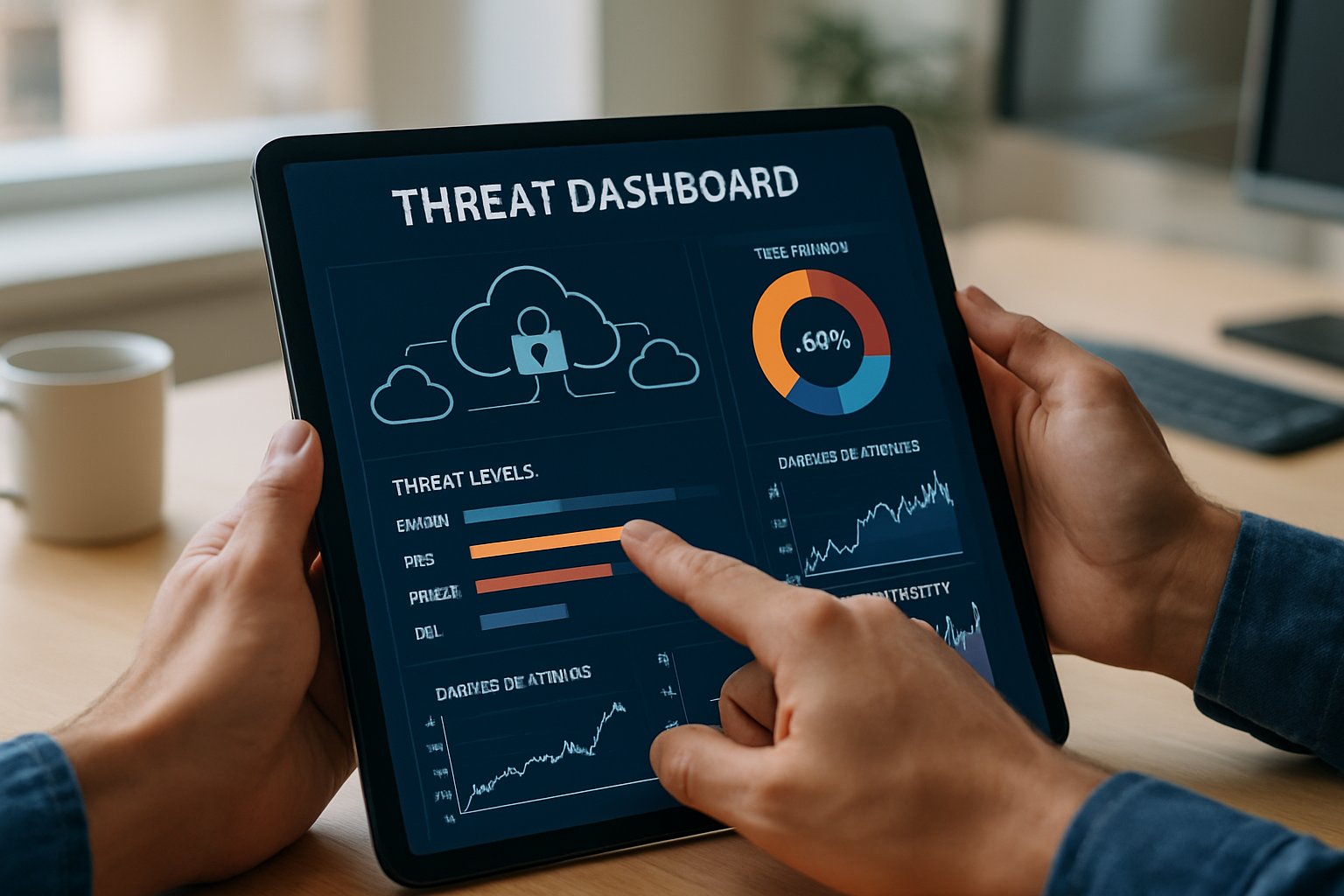
Multiple macro trends accelerate the shift. Firstly, AI workloads expand attack surfaces across APIs, data, and code. Secondly, tool counts now average seventeen per organisation, creating Integration headaches. Consequently, executive rooms question spend versus Efficiency. Security Consolidation appears as the simplest narrative answer.
These drivers create intolerable complexity. However, another set of forces comes from the vendor side, as explained next.
Tool Sprawl Pressures Mount
Tool proliferation drains budgets and analyst focus. Moreover, mixing many Cloud Security consoles forces context switching during incidents. In contrast, merged platforms ingest runtime signals directly into SecOps dashboards. Google’s Forrester TEI shows 50% faster investigation after such unification.
Surveyed teams also link sprawl to delayed mean time to respond. Thirty percent still need more than one day for cloud incident remediation. Furthermore, vendors claim Security Consolidation chops that window to minutes. Independent CISOs see early evidence, yet request longitudinal data.
- Average tools in stack: 17
- Organisations prioritising consolidation: 97%
- Reported MTTR improvement after merge: up to 65%
- Projected CNAPP market size 2025: USD 11B
Collectively, these statistics expose the price of fragmented defenses. Next, competitive dynamics show why vendors rush to solve the issue.
Vendor Platform Race Escalates
Palo Alto, Google, and Microsoft lead the platform push. Palo Alto’s Cortex Cloud unites CNAPP telemetry with XSIAM analytics inside SecOps. Meanwhile, Google bundles threat intelligence and Gemini AI into Google Security Operations. Microsoft expands Sentinel and Defender for real-time cloud Integration. Additionally, smaller players like Wiz and Lacework extend capabilities toward SOC workloads.
The competition centers on owning the code-to-cloud-to-SOC pipeline. Consequently, acquisitions and product launches accelerate quarter after quarter. Security Consolidation messaging dominates press releases and analyst briefings. Nevertheless, buyers caution against single-vendor lock-in and data export limits.
Vendor momentum signals maturity of the concept. However, organisations still weigh tangible benefits, explored in the next section.
Benefits And Concrete Gains
Unified visibility remains the primary appeal. Analysts argue that combined Cloud Security and SOC context surfaces the most critical risks first. Therefore, triage time drops and prioritisation improves. Forrester’s composite customer recorded 65% faster response after adopting consolidated SecOps.
- Single alert timeline linking code commits to runtime exploits
- Automated remediation playbooks across multi-cloud estates
- Reduced licensing spend through platform bundling
- Higher analyst Efficiency via AI assistants
Moreover, Security Consolidation supports continuous compliance by enforcing policies across pipelines. Consequently, audit preparation time decreases, pleasing governance teams.
These gains entice executives seeking quick wins. Nevertheless, merging clouds and SOC also presents hurdles, detailed below.
Obstacles And Key Risks
Cultural resistance tops the challenge list. DevOps, AppSec, and SecOps groups hold divergent metrics and rhythms. Therefore, leadership must redesign roles and incentives.
Data deluge poses another risk. Additionally, ingesting petabytes of Cloud Security telemetry can overwhelm poorly tuned analytics. AI correlation helps, yet false positives still occur.
Compliance and privacy issues also surface. In contrast to segmented logs, Security Consolidation centralises sensitive production and development records. Consequently, strict access controls and retention policies become non-negotiable.
Vendor lock-in completes the risk quartet. Moreover, switching costs soar once a platform anchors incident response, detection, and Integration pipelines.
Risk awareness should not stall progress. Subsequently, organisations can follow a structured roadmap to realise benefits responsibly.
Actionable Roadmap For Teams
Assessment forms the first milestone. Teams should map existing tools, overlaps, and data flows. Next, they must prioritise quick Merge wins like unified alerting.
Pilot programmes reduce adoption anxiety. Therefore, begin with a limited cloud account and baseline metrics. Measure Efficiency improvements and iterate.
Skills development also matters. Professionals can enhance their expertise with the AI Security Level 1 certification. This credential covers threat modelling, automation, and AI-driven SecOps optimisation.
Governance tasks follow technical rollout. Consequently, update policies, SLAs, and incident playbooks to reflect merged responsibilities. Finally, embed continuous feedback loops to refine Security Consolidation outcomes.
These roadmap steps create a measured path toward value. The final section recaps the journey and suggests immediate next actions.
Security Consolidation has moved from buzzword to board mandate. Market forces, tool sprawl, and rising AI threats make the case compelling. Furthermore, early adopters report dramatic response gains and cost savings. Nevertheless, cultural, data, and vendor risks require disciplined planning. Following the outlined roadmap lets teams Merge cloud defenses with SecOps confidently. Consequently, organisations can unlock sustained operational Efficiency and better governance. Professionals should act now, pursue recognised certifications, and pilot unified platforms. By embracing thoughtful Security Consolidation, enterprises will fortify cloud ambitions and outpace adversaries. Explore the linked learning path today and lead the transformation.


