

AI CERTS
2 hours ago
Samsung’s Pet Health AI Upsets Veterinary Tech Status Quo
However, the company emphasized that the readings remain preliminary and never replace veterinarians. Market analysts quickly noted the potential scale. Grand View Research projects pet care spending hitting USD 181.9 billion next year. Therefore, an embedded wellness app across millions of smartphones could shift habits fast. This article unpacks the feature’s mechanics, accuracy, regulatory backdrop, and commercial implications while highlighting skills professionals need.
Pet Care Market Signals
Global demand for preventive pet services sustains a strong trajectory. Grand View Research values the 2025 pet care sector at USD 181.9 billion. Moreover, compounded annual growth forecasts hover near seven percent through 2030. Therefore, vendors adding genuine value can capture sizable revenue.
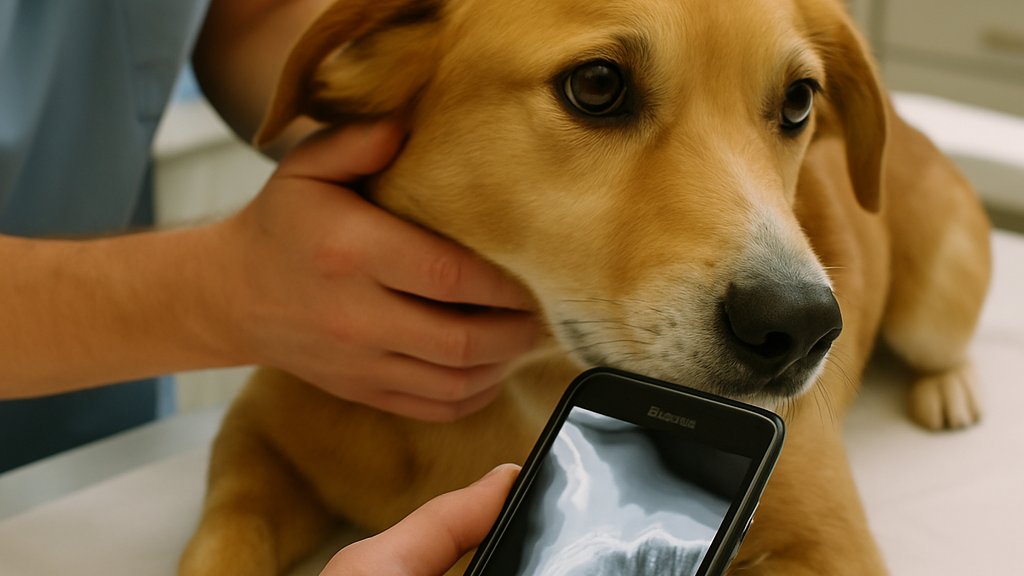
Samsung mobile already sells hundreds of millions of Galaxy handsets every year. Consequently, embedding Pet Health AI within an existing wellness app lowers user-acquisition costs dramatically. In contrast, standalone startups often fight expensive onboarding battles.
The following forces intensify adoption:
- Rising veterinary fees drive interest in at-home AI diagnostics.
- Millennial owners treat pets as family, demanding proactive tools.
- Phone cameras now rival dedicated scanners in resolution, enabling refined computer vision analysis.
- Regulators increasingly accept assistive algorithms when transparency improves.
These signals reveal a ready audience for smartphone screening. Next, the feature’s mechanics deserve closer inspection.
Feature Mechanics Fully Explained
SmartThings Pet Care acts as the primary interface. Users snap or upload a single image of their dog or cat. Lifet’s backend then applies computer vision models trained on veterinary-labeled datasets. Subsequently, a risk score for cataracts, dental disease, or patellar luxation appears within seconds.
The workflow remains simple by design. Moreover, Samsung mobile engineers say heavy processing can occur on device or in a secure cloud depending on model support. Knox encryption handles image transit and retention according to regional rules.
Importantly, Pet Health AI supplies contextual guidance instead of definitive diagnoses. The app flags possible problems and urges professional follow-up when probability exceeds preset thresholds. Consequently, owners stay informed without bypassing clinics.
This streamlined pathway encourages frequent checks while respecting veterinary roles. Accuracy metrics now move into focus.
Accuracy Figures Under Spotlight
Lifet advertises 97 percent overall accuracy for its single-image Pet Health AI screens. Additionally, internal studies cite 97.6 percent sensitivity and 98.8 percent specificity for patellar luxation detection. Those numbers appear impressive at first glance.
However, peer-reviewed replication remains scarce. Vendor materials do not fully disclose breed distribution, lighting conditions, or phone model diversity. Consequently, real-world error rates could differ across the broad Samsung mobile base.
Experts highlight several validation gaps:
- Small sample sizes in proprietary datasets
- Lack of external comparator studies
- Potential overfitting to studio-quality images
- Limited disclosure of failure modes
Researchers recently audited 42 commercial Pet Health AI vendors and found disclosure lacking in 70 percent. In contrast, Lifet pledges to publish expanded studies later this year.
Independent scrutiny will ultimately decide trust. Attention now turns to evolving oversight.
Regulatory Landscape Evolving Rapidly
The Royal College of Veterinary Surgeons recently issued guidance on algorithmic aids. Moreover, Frontiers researchers call for mandatory dataset transparency. Consequently, developers must document model limits and update cycles.
Samsung states that Pet Health AI is a preliminary screening support. Therefore, liability for clinical decisions remains with veterinarians. Nevertheless, consistent disclaimers alone may not satisfy every jurisdiction.
Ongoing Data Privacy Questions
Samsung notes that images ride within Knox-protected channels. However, jurisdictions like the EU demand explicit user consent for biometric data. Additionally, some markets restrict cloud transfer of personal images. Consequently, on-device inference may become mandatory in certain regions.
Companies preparing to build similar wellness apps can strengthen compliance by studying healthcare frameworks. Professionals can enhance their expertise with the AI Healthcare™ certification. Knowledge of privacy law and AI governance improves product credibility.
Regulation will shape deployment pace and feature depth. Samsung’s competitive edge now deserves analysis.
Future Roadmap And Opportunities
Samsung’s size grants immediate distribution across flagship and mid-tier Galaxy ranges. Moreover, cross-linking with Samsung Health, the broader wellness app, enables integrated habit tracking. Users may schedule vet appointments directly, creating sticky engagement loops. Consequently, Pet Health AI can reach tens of millions within weeks.
Few handset makers control a similar hardware-software stack. In contrast, startup wellness apps lack deep camera optimization or guaranteed update cadence. Consequently, Samsung mobile could capture an enduring data advantage that refines computer vision models faster. Such scale lets Samsung refine Pet Health AI feedback loops faster than rivals.
Analysts anticipate new species support and real-time video scans next. Furthermore, AI diagnostics may extend to gait analysis, heart-rate inference, and nutrition recommendations. Partnerships with insurers could unlock discounted premiums for engaged owners.
These expansions offer fresh revenue while retaining users. Actionable tips follow next.
Practical Tips For Owners
Users should first update SmartThings and Samsung Health to the latest versions. Additionally, ensure camera lenses stay clean for clearer images. Good lighting and steady hands improve computer vision performance.
Nevertheless, always consult a veterinarian when alerts appear. Store image reports to share during clinic visits. Consequently, professionals can compare phone findings with physical examinations. When Pet Health AI flags risk, always consult experts promptly.
Basic habits maximize screening value and safeguard animal welfare. Awareness now turns to long-term industry skills.
Pet Health AI shows Samsung mobile blending computer vision, cloud security, and user experience into one mainstream wellness app. Moreover, independent validation and transparent governance will determine widespread trust. Consequently, professionals versed in AI diagnostics, ethics, and privacy can shape safer products. Those seeking a competitive edge should pursue the AI Healthcare™ certification. Build the skills today and lead tomorrow’s connected pet-care revolution.
Disclaimer: Some content may be AI-generated or assisted and is provided ‘as is’ for informational purposes only, without warranties of accuracy or completeness, and does not imply endorsement or affiliation.


