

AI CERTS
3 hours ago
Local Backlash Stalls AI Data Centers Across the United States
AI Data Centers Opposition
Public resistance accelerated after 2025’s 48 stalled builds. Furthermore, Data Center Knowledge now maps 268 local activist groups. Many organizers share legal templates online, creating a fast-moving network. In contrast, utility planners admit they underestimated the surge. Consequently, community opposition has become a mainstream risk factor for site selection.
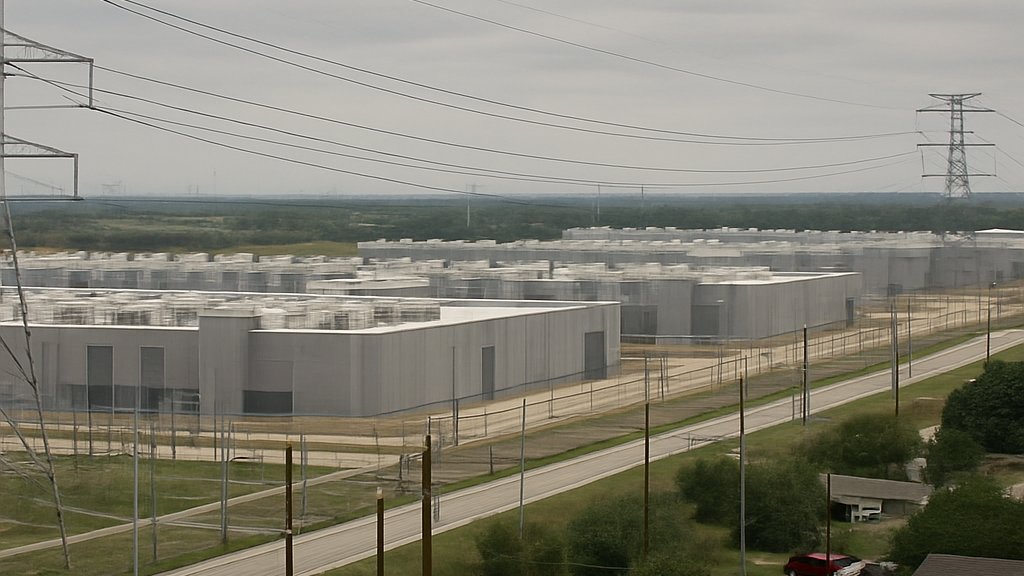
These developments show sentiment hardening nationwide. However, financial repercussions deserve equal attention.
Costs Of Project Delays
Analysts warn that deferred facilities jeopardize trillion-dollar capital plans. Moreover, hyperscalers face escalating land carry costs and penalty clauses. Fortune estimates 2025 losses at $156 billion, dwarfing many state budgets.
- $130 billion disrupted in Q1 2026
- ≥75 individual projects halted
- 268 recorded activist coalitions across 49 states
Consequently, investors now bake a “pushback discount” into valuations. These figures underline a dramatic mood shift. Nevertheless, water and energy pressures often trigger initial complaints.
Water And Energy Strain
AI workloads spike instantaneous power demand, often doubling legacy draw per rack. Additionally, wet cooling can gulp millions of gallons yearly. Kevin Thompson of Arizona warned utilities must double century-old capacity within five years. Such headlines amplify community opposition narratives about scarce resources.
Grid operators, meanwhile, confront interconnection queues clogged by new requests. Consequently, debates rage over who funds upgrades. These challenges intensify infrastructure politics at every hearing. The technical crunch now feeds directly into legislative chambers. However, regulation, not physics, usually decides project fate.
Resource tensions highlight technical gaps. Therefore, attention shifts to the political arena.
Political And Regulatory Battles
Arizona froze data-center tax credits; Ohio paused sales-tax exemptions. Moreover, FERC is rethinking cost allocation rules. Local councils insert strict water accounting into permits. Consequently, local policy now drives timelines more than construction crews.
Opponents frame projects as corporate welfare. In contrast, industry touts job multipliers and property taxes. This tug-of-war defines today’s infrastructure politics. Regulators search for compromises that survive election cycles.
Thick political fog delays certainty. Nevertheless, operators are adjusting strategies to regain momentum.
Industry Messaging And Adaptations
Developers increasingly lead with sustainability pitches. Furthermore, many promise air or liquid cooling to slash water demand. Schneider Electric’s Steve Carlini notes power availability now dictates site selection above land price. Consequently, hybrid grid-support contracts emerge, offering load flexibility during peaks.
Hyperscalers also spotlight community grants and workforce programs. Additionally, executives cite ITIF metrics that show energy per inference falling as chips improve. Such messages aim to soften community opposition and align with local policy goals.
Corporate pivots reveal learning curves. However, policy innovations must complement technical tweaks.
Balanced Policy Paths Forward
Think tanks urge standardized energy-per-work reporting and transparent water ledgers. Moreover, conditional incentives can reward low-water cooling choices. Regulators are also considering queue reforms that shift grid upgrade costs toward developers. Consequently, clearer rules could calm infrastructure politics by distributing risk fairly.
Professionals can deepen expertise through the AI + Government™ certification. The program covers procurement, siting, and local policy negotiation. Such training builds bridges between technologists and officials.
Structured standards can reduce confusion. Therefore, attention turns to municipal leaders who face voters directly.
Local Leaders Next Steps
County boards now hire independent engineers to audit power demand claims. Additionally, some require community-benefit agreements before zoning votes. Such steps can convert heated hearings into structured bargaining. Furthermore, regional planners explore district cooling to cut water and noise.
Officials must balance tax revenue, farmland preservation, and grid resilience. Consequently, transparent dashboards tracking power demand and emissions help rebuild trust. These tools also reframe debates away from slogans toward data-driven choices.
Pragmatic engagement reduces surprise. Nevertheless, operators and residents must keep talking to reach durable deals.
Opposition momentum, financial risks, and resource strains intersect in the current debate. However, technical standards and collaborative policy can still unlock responsible growth.
Disclaimer: Some content may be AI-generated or assisted and is provided ‘as is’ for informational purposes only, without warranties of accuracy or completeness, and does not imply endorsement or affiliation.


