

AI CERTS
1 week ago
TSMC AI pricing climbs as advanced node demand surges
Consequently, chip architects, hyperscalers, and investors must recalibrate budgets before contracts renew. Furthermore, the foundry's board has approved record capital expenditure exceeding fifty-two billion dollars for that year. Management maintains demand remains verifiable, yet it warns careless expansion could backfire. Meanwhile, rival fabs monitor the situation, hoping to woo any disgruntled customers.
Procurement officers now face an uncomfortable dilemma: secure scarce 3nm chips or gamble on alternative suppliers. This article unpacks the economic logic, stakeholder reactions, and strategic implications behind the coming move. In contrast, it offers practical guidance for buyers looking to blunt cost volatility. Read on for verified numbers, expert quotes, and certification resources that support informed decision making.
TSMC AI Pricing Shift
Historically, the company adjusted wafer quotes about once every two years. However, TSMC AI pricing is scheduled to advance annually through 2029, according to TrendForce channels. TrendForce cites 2026 increases of three to ten percent, varying by node and committed volume.
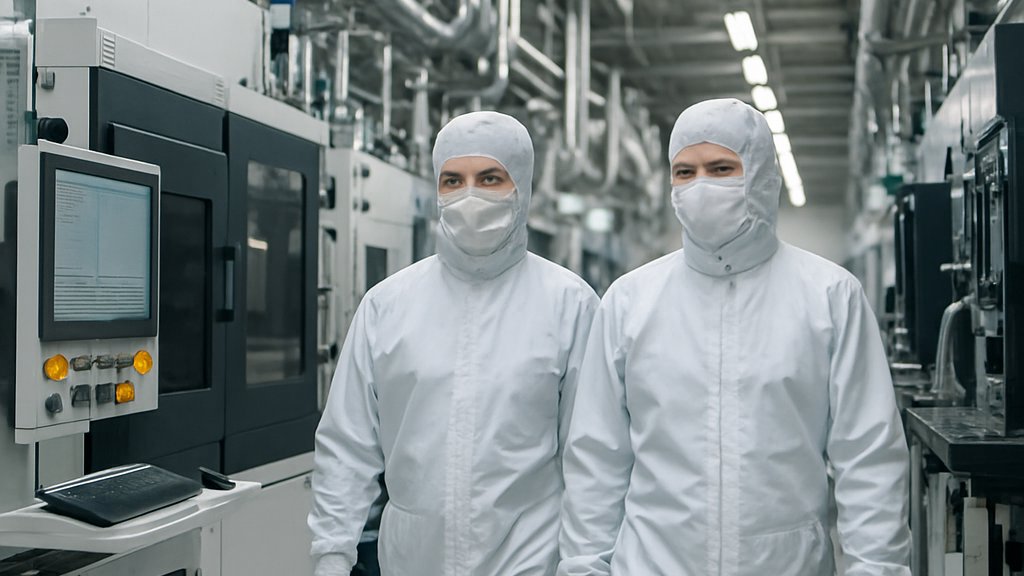
Moreover, sub-3nm orders already run at full utilization, leaving little slack for sudden demand spikes. Consequently, percentage adjustments will target advanced nodes rather than mature geometries where capacity stays looser. Industry insiders label the move a controlled price hike designed to secure margins while prioritizing strategic clients.
- 2026 CapEx guidance: USD 52–56 billion
- Q1 2026 revenue jump: 35% YoY
- 3nm chips share: 24% of 2025 wafer revenue
- Foundry demand growth: 24.8% projected for 2026
These numbers reveal a disciplined escalation rather than an opportunistic grab for profit. Nevertheless, the escalation reverberates through supply chains, setting the stage for deeper analysis ahead.
Drivers Behind Upcoming Hike
Several converging forces justify the planned adjustment. First, extreme ultraviolet tooling, masks, and yields keep advanced node costs stubbornly high. Secondly, AI infrastructure rollouts from hyperscalers absorb nearly every 3nm wafer that exits the fab. Consequently, scarcity empowers TSMC AI pricing negotiators to command premiums for guaranteed allocation.
Additionally, record CapEx must be financed without eroding the company’s gross margin target of 53%. Therefore, management sees incremental wafer increases as the least disruptive lever compared with drastic cost cuts. In contrast, competitors Samsung Foundry and Intel Foundry are spending aggressively yet still trail on yields.
Taken together, cost inflation and unrelenting demand make TSMC AI pricing almost inevitable. Subsequently, attention shifts toward how customers will absorb or pass along the burden.
Customer Impact And Reactions
Apple, NVIDIA, AMD, and several cloud giants top the exposure list. Hyperscalers running expansive AI infrastructure clusters consume tens of thousands of advanced wafers each quarter. If TSMC AI pricing climbs ten percent, a leading GPU may cost thirty dollars more per die. Furthermore, server builders then weigh whether to raise cloud instance fees or compress already slim margins.
A procurement director at a major hyperscaler told TrendForce that budgets assume a five percent price hike baseline. Therefore, every extra point forces trade-offs between capacity growth and power efficiency upgrades. Nevertheless, most buyers expect tight supply until N2 ramps reach meaningful scale in late 2026.
Feedback suggests customers will swallow moderate increases to secure volume. However, elastic demand products like smartphones could see trims in bill-of-materials if costs spike. Consequently, strategic negotiations intensify as 2025 contracts approach renewal.
Competitive Landscape And Risks
Samsung and Intel advertise competitive roadmaps yet still chase TSMC on yield and cycle time. Moreover, capacity at their sub-5nm lines remains a fraction of TSMC's, limiting diversion options. In contrast, mature-node foundries cannot support top-end AI accelerators that demand cutting-edge density.
Another threat emerges if AI enthusiasm cools faster than projected. Management openly voiced this concern, stating that reckless expansion without demand could ‘disaster’ margins. Subsequently, large CapEx paired with softer orders would amplify downside risk. Therefore, TSMC AI pricing carries embedded hedging, ensuring margins during boom years while dampening bust exposure.
Regulatory shifts also loom, including potential export controls that raise compliance costs. Nevertheless, none of these factors appear imminent enough to derail the 2026 program. These mixed signals underscore why buyers need contingency playbooks.
Risks exist, yet alternatives remain limited for bleeding-edge silicon. Meanwhile, procurement teams prepare safeguard strategies, examined below.
AI Infrastructure Cost Ripple
Cost shocks seldom stay confined to wafer quotes. Consequently, higher die prices cascade into memory, substrate, and cooling budgets across entire racks. IDC models show a five percent wafer uptick inflates total AI infrastructure spending by almost two percent. Meanwhile, cloud operators must balance rising opex with service-level commitments.
Device makers feel a parallel squeeze, especially those integrating 3nm chips into flagship smartphones. Additionally, analysts expect premium handset ASPs to rise by five to eight dollars. Nevertheless, mid-range pricing may hold steady because OEMs will sacrifice margin before risking volume.
- Renegotiate multi-year supply contracts early
- Optimize chiplet designs to reduce 3nm die area
- Leverage alternative packaging to stretch yield
- Pursue team upskilling via AI Architect™ certification
The ripple therefore extends far beyond data centers. Subsequently, buyers seek tactical levers to mitigate exposure.
Key Takeaways And Outlook
TSMC AI pricing now acts as a barometer for the entire advanced node market. Analysts anticipate revenue growth of thirty-two percent for TSMC if planned increases materialize. Meanwhile, global foundry demand should rise 24.8 percent, keeping capacity tight through 2026. Consequently, price elasticity will decide which segments absorb costs and which surrender share.
Organizations can soften impact by elevating architectural efficiency and financial forecasting skills. Professionals bolster those competencies through the linked AI Architect™ program above. Moreover, aligning engineering teams with procurement early shortens reaction cycles during negotiations.
Overall, prudent strategy trumps rash cost cutting during pricing turbulence. Therefore, disciplined planning positions firms to thrive despite inevitable volatility.
TSMC AI pricing embodies the intersection of scarce supply and bold investment. Consequently, its next price hike will ripple across devices, data centers, and capital markets alike. Meanwhile, sustained foundry demand suggests that bargaining power remains firmly with the supplier through 2026. Nevertheless, disciplined design choices and proactive contract timing can offset a portion of increased costs. Professionals should therefore refine skills, leverage certifications, and use accurate data when negotiating future wafer deals. Explore the AI Architect™ pathway above, and prepare for future TSMC AI pricing negotiations.
Disclaimer: Some content may be AI-generated or assisted and is provided ‘as is’ for informational purposes only, without warranties of accuracy or completeness, and does not imply endorsement or affiliation.


