

AI CERTS
2 months ago
AI Investment Trends: Big Tech’s $725B Capex Surge Explained
Meanwhile, suppliers from NVIDIA to Micron brace for extraordinary demand spikes. Consequently, regulators and utilities prepare for surging power and land requests. This article dissects the drivers, risks, and winners behind the historic surge. Read on for data, context, and professional insights.
Why Spending Exploded Now
GPU shortages and soaring model sizes drove urgent purchases. Moreover, customer backlogs for cloud AI services doubled year on year. Consequently, management teams prioritized capacity over near-term margins. Microsoft CFO Amy Hood stated two thirds of 2026 Capex targets GPUs and CPUs. Alphabet executives echoed that sentiment during their Q1 call. GPU delivery lead times now stretch beyond 52 weeks, according to channel checks. Consequently, executives lock in multi-year supply agreements to secure capacity. In contrast, smaller cloud providers report difficulty getting even pilot allotments. Therefore, AI Investment Trends center on compute access, not experiment counts.
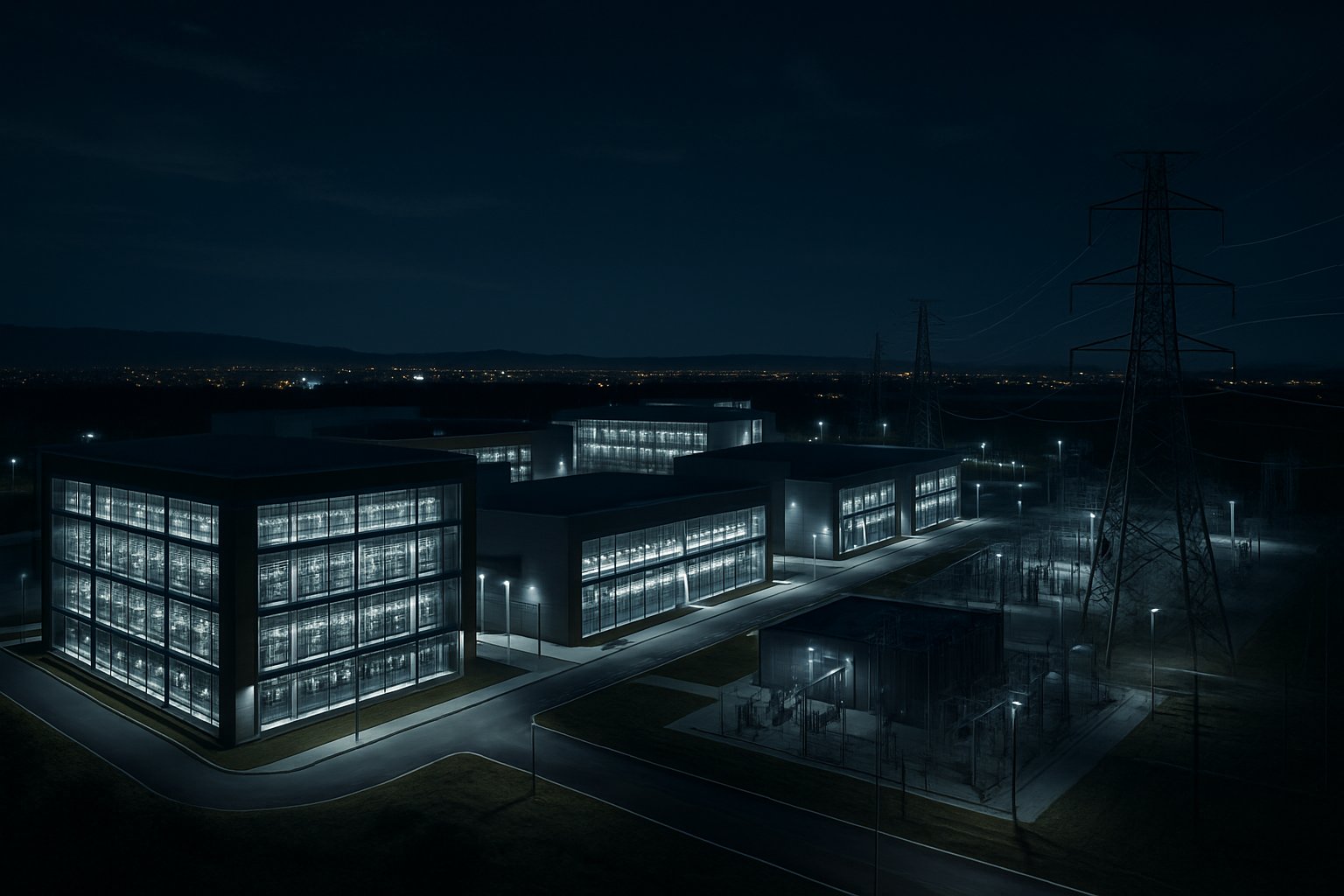
Spending exploded because demand already outran supply. However, guidance specifics reveal where the money flows next.
Company Guidance Shift Details
Each company lifted guidance during the late April Earnings calls. In contrast, previous updates were more cautious. Alphabet moved 2026 Capex toward $190 billion, up sharply from prior targets. Meanwhile, Microsoft signaled roughly $190 billion after component inflation. Meta pushed its range to $145 billion, citing model leadership ambitions. Additionally, Amazon maintained a near $200 billion commitment driven by AWS expansion.
- Alphabet: 2026 spend $180-$190B
- Microsoft: 2026 budget ~ $190B
- Meta: $125-$145B program
- Amazon: Near $200B plan
Such updates reinforce AI Investment Trends that prioritize scale over short payback periods. Microsoft also highlighted rising energy installation costs, especially for high-density racks. Furthermore, Alphabet signaled 2027 spending will accelerate once new substations finish. Analysts expect the company to front-load chip purchases to hedge against shortages.
Guidance momentum underscores Hyperscaler conviction. Consequently, suppliers anticipate record component orders in coming quarters.
Supply Chain Winners List
Chip, memory, and power vendors enjoy immediate benefits. Moreover, Infrastructure specialists like data-center REITs report rising leasing inquiries. NVIDIA expects long-run orders that extend beyond 2027. Consequently, Goldman Sachs raised semiconductor revenue forecasts. Morgan Stanley echoed the bullish stance during recent research days.
- GPUs: NVIDIA, AMD rake higher margins
- Memory: Samsung, Micron gain volume pricing
- Power gear: Eaton, Schneider secure grid contracts
These beneficiaries capture immediate cash flows from the Hyperscaler surge. However, investor mood toward spending remains mixed. Therefore, suppliers see AI Investment Trends converting directly into backlog visibility. TSMC plans to raise factory budgets by 25% to meet advanced packaging demand. Meanwhile, ASML reported order books extending through 2028, an unprecedented horizon. Memory suppliers foresee shortages by late 2026 if capacity additions slip. Utility equipment suppliers like Siemens and ABB anticipate orders for switchgear and transformers. Consequently, backlog visibility supports continued hiring and regional expansion.
These trends clarify near-term winners. Next, investor sentiment shows why questions persist.
Investor Mood Shifts Today
Market reactions reveal mounting skepticism. Bank of America’s February survey found 35% of funds see overspending on AI. Furthermore, Meta shares slipped despite strong Earnings beats after its Capex boost. Nevertheless, Alphabet’s valuation expanded on similar news. Analysts suggest clarity around monetization could calm volatility. Therefore, boards now debate whether current AI Investment Trends justify share buyback pauses. Sentiment remains a wild card for Hyperscaler valuations.
Next, physical constraints could complicate execution plans. Quarterly volatility now mirrors semiconductor cycle swings rather than traditional software multiples. Moreover, options markets price elevated implied volatility around each Hyperscaler report. Some funds rotate toward suppliers as a proxy play on growth. Broker reports note rising short interest in firms with unclear monetization paths. Nevertheless, long-only portfolios still overweight mega-caps given balance-sheet strength.
Skeptical investors demand proof of returns. However, construction realities may create additional hurdles.
Physical Build Constraints Risks
Real estate, water, and grid capacity are tightening. Allianz Research flagged moratoria in Northern Virginia and Dublin. Meanwhile, Infrastructure approvals now span eighteen months in some US counties. Consequently, project delays may inflate budgets and push depreciation schedules. In contrast, smaller markets offer incentives but lack high-voltage interconnects. Nevertheless, AI Investment Trends could stall if utilities cannot deliver power. Therefore, Hyperscaler site-selection teams juggle power, latency, and tax variables. Physical realities could slow projected deployment curves. However, accounting choices add another layer of complexity.
Data-center developers now bid against residential builders for scarce lots. Additionally, municipal leaders worry about water usage for cooling towers. Power utilities propose grid upgrades but face multi-year regulatory approvals. Land availability around key fiber routes also limits site selection options. Moreover, rising insurance premiums for large battery banks add unexpected costs.
These challenges highlight critical gaps. However, differing accounting policies further complicate comparisons.
Accounting Clouds Comparisons Today
Depreciation lives vary widely among peers. HDIN Research counted four different server schedules across the group. Moreover, finance leases blur investment outlays versus operating cash flow for analysts. Consequently, headline metrics can mislead unsophisticated comparisons. Therefore, modeling AI Investment Trends demands normalized asset lives across filings. HDIN suggests adjusting depreciation to five years for better peer alignment. Different policies mask true cash burn rates. Next, skills gaps may decide who captures value.
Meta recently extended server useful life assumptions to five years from four. In contrast, Amazon still depreciates certain networking gear over three years. These choices directly affect reported Earnings per share in high-growth periods. Standardizing disclosures could improve comparability and reduce analyst model dispersion. Therefore, several investor groups petition the SEC for guidance on AI Infrastructure reporting.
Accounting clarity will aid investors. Consequently, talent strategy now enters the spotlight.
Upskilling For Opportunity Now
Profound spending waves create parallel talent shortages. Data-center engineers, power planners, and finance analysts remain in short supply. Additionally, strategic leaders who understand technology, capital markets, and governance are scarce. Professionals can upskill through the Chief AI Officer™ certification. Moreover, such credentials align careers with accelerating AI Investment Trends.
- Capital budgeting with AI workloads
- Data-center energy optimization techniques
- Model monetization frameworks
Enhanced skills will help firms monetize historic deployments. Consequently, talent strategy complements physical and financial planning. Universities rush to launch interdisciplinary programs blending electrical engineering and finance. Furthermore, corporate academies partner with colleges to accelerate curriculum development. Mentorship networks also emerge to guide mid-career professionals into capital planning roles.
Talent readiness completes the investment equation. Next, consider the broader outlook.
Big Tech has placed an enormous financial bet on generative AI. Moreover, suppliers, utilities, and regulators scramble to keep pace. Investor reaction hinges on clear Earnings growth that validates the spend. Nevertheless, power constraints and accounting opacity could slow realized returns. Yet, AI Investment Trends show no sign of cooling as multiyear purchase contracts stack up. Consequently, professionals who master Infrastructure and finance stand to benefit.
Therefore, capitalize on emerging AI Investment Trends by pursuing accredited credentials and staying informed. Explore certification paths today to position yourself at the center of this historic buildout. Global supply chains will likely realign as nations compete for fabrication leadership. Meanwhile, policy makers debate incentives to attract data-center megaprojects. Continual monitoring of supplier lead times will test management forecasting accuracy. Stay vigilant for future revisions.
Disclaimer: Some content may be AI-generated or assisted and is provided ‘as is’ for informational purposes only, without warranties of accuracy or completeness, and does not imply endorsement or affiliation.


