

AI CERTS
2 hours ago
NJ School’s Cyber Security Breach Forces Emergency Debt
In contrast, Bloomberg reports a $4.8 million haul with $1.7 million recovered. Therefore, officials plan to plug the gap through short-term borrowing rather than slash classroom budgets. Meanwhile, S&P Global Ratings cut the district’s outlook to negative, citing reserve erosion. Stakeholders across government, finance, and school sectors watch closely. This article unpacks the incident, the Debt strategy, and broader lessons for K-12 resilience.
Breach Rocks Small Spotswood
Initial reports describe the October attack as classic business-email-compromise. Hackers impersonated Board officials and instructed the borough bank to reroute scheduled remittances. Consequently, five transfers cleared before staff noticed any anomaly. Investigators later confirmed the payment instructions arrived from spoofed external domains, not internal servers. Nevertheless, internal controls failed to require voice confirmation or multi-factor approval. Mayor Rich O’Brien called the Cyber Security Breach a wake-up call for local government.
Moreover, the superintendent stressed that payroll and instruction could have halted without immediate municipal support. The borough quickly filed insurance claims and engaged forensic specialists to trace the funds. These moves limited further exposure. However, recovery remains uncertain amid global money-laundering networks.
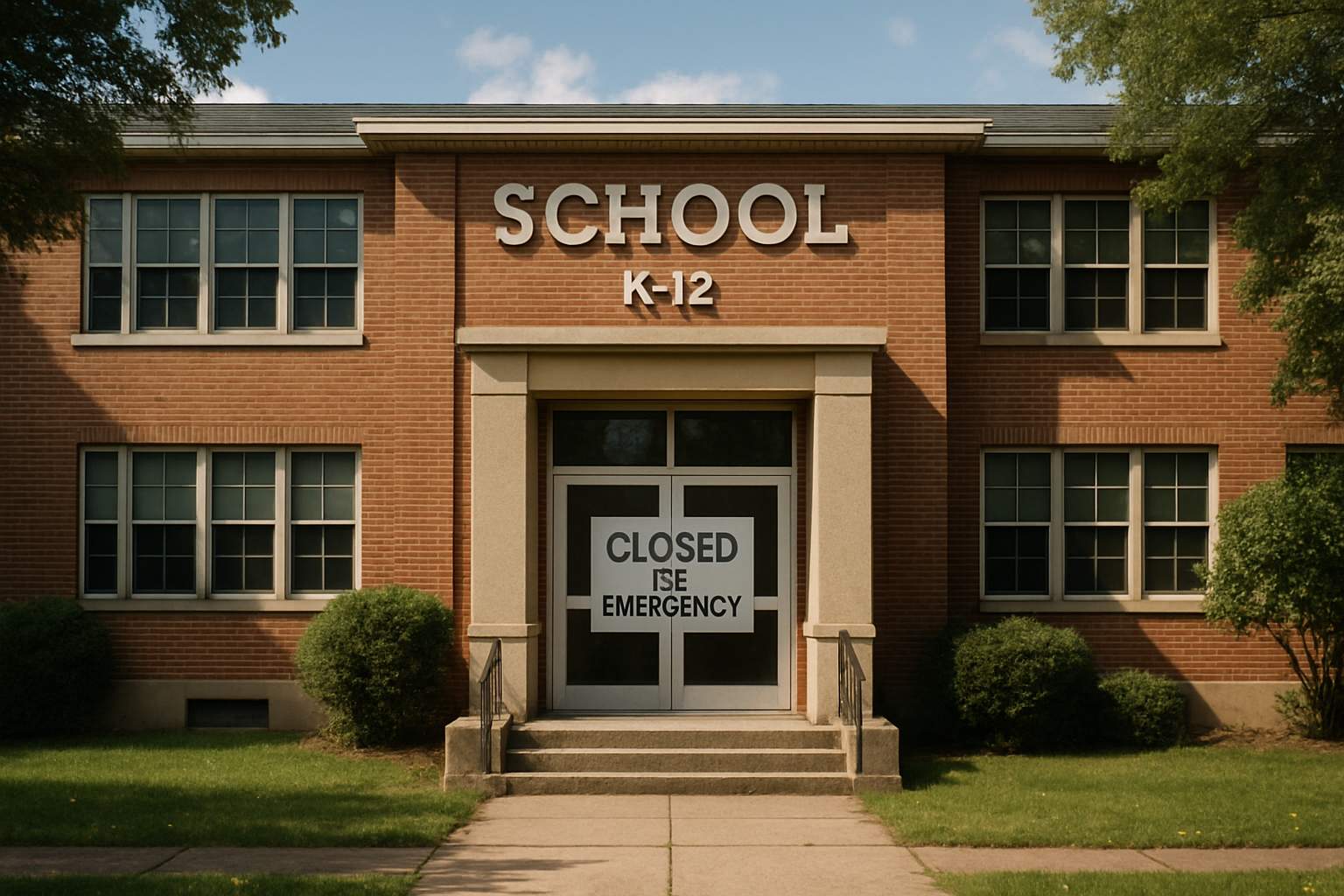
The borough faced immediate cash displacement and reputational shock. Consequently, attention soon shifted to missing amounts and disputed totals.
Funds Missing, Figures Clash
Official February disclosures list approximately $3.3 million lost. Meanwhile, Insurance Journal describes a $4.8 million Cyber Security Breach with $1.7 million clawed back. Such divergence alarms bond investors tracking liquidity ratios. Furthermore, S&P analysts require audited numbers before finalising ratings. Borough finance staff blame timing differences and currency conversions for the gap.
In contrast, reporters suggest multiple wires hit different accounts across jurisdictions. The Prosecutor’s Office has not released detail, citing an active case. Nevertheless, $233,000 sits frozen in a cooperating bank, offering minor relief. These uncertainties complicate recovery scenarios and insurance negotiations. Therefore, decision makers adopted a short-term financing plan.
Conflicting tallies hinder transparent communication. However, the Debt solution proceeds regardless of exact loss size.
Borough Issues Emergency Debt
Facing a looming school payroll, council approved a special emergency note in April 2026. Consequently, the borough will borrow up to $3.3 million for one year. Alternative 15-year amortization awaits Local Finance Board consent. Mayor O’Brien estimated a $157 tax hit per average home when the note matures. Moreover, the ordinance states repayment begins May 2027. In contrast, spreading payments over 15 years would cut the annual burden sharply.
- Pro: Immediate funds maintain classroom services without layoffs.
- Another advantage: Short duration limits interest costs if recoveries succeed.
- Con: Additional Debt reduces future flexibility and may trigger tax hikes.
- Investors could demand higher yields after the Cyber Security Breach.
S&P warned that new Debt combined with lost cash could slash reserves below policy thresholds. Nevertheless, officials argue the step averts classroom disruption.
The borrowing strategy buys time for investigations and insurance. Consequently, credit agencies and taxpayers will monitor execution closely.
Credit Outlook Turns Negative
S&P Global Ratings shifted the Spotswood Board outlook from stable to negative in late April. Analysts cited the Cyber Security Breach, projected fiscal 2026 deficit, and materially lower reserves. Furthermore, they highlighted strong local incomes and low overall Debt as mitigating factors. Nevertheless, failure to restore cash quickly could lead to a downgrade. Moody’s has not acted yet; however, the agency is reviewing municipal statements. Consequently, borrowing costs for future capital projects may rise. Investors often reprice small issuers sharply after governance lapses. The borough hopes transparent updates will calm markets before the note sale.
Ratings pressure underscores financial stakes beyond immediate payroll. Therefore, cyber readiness now features in traditional credit analysis.
Lessons For K-12 Education
National experts describe K-12 Education as “target-rich, cyber-poor.” Doug Levin of K12 SIX notes thousands of reported incidents, many involving Ransomware or BEC fraud. Moreover, federal guidance lists MFA, patching, and incident drills as baseline safeguards. Spotswood’s Cyber Security Breach illustrates the high stakes when tax intermediaries handle school funds. In contrast, prior headlines focused on classroom disruptions rather than fiscal transfers. Consequently, Education agencies now include treasury workflows in tabletop exercises. District leaders also recognise that small offices often lack dedicated cyber staff. Therefore, shared services and state support can close resource gaps.
Lessons emphasise layered controls and financial contingencies. Meanwhile, attention turns to practical defense measures every borough can afford.
Essential Cyber Defense Steps
Experts recommend simple, disciplined controls before advanced tools. Firstly, staff should verify payment changes through secondary channels. Secondly, multi-factor authentication blocks most credential attacks behind a Cyber Security Breach attempt. Moreover, phishing simulations improve detection and reduce click rates. Patching critical systems quickly also thwarts Ransomware affiliates who exploit known flaws. Consequently, Spotswood contracted KnowBe4 for awareness training and began rolling out MFA.
Financial officers should segregate tax accounts, set low transfer ceilings, and enable bank alerts. Professionals can deepen expertise through the AI Prompt Engineer™ certification. Nevertheless, technology alone fails without rehearsed response plans for another Cyber Security Breach.
Layered defenses cut risk and prove diligence to insurers. Consequently, stronger controls may lower future borrowing spreads.
Policy Gaps And Fixes
The incident exposes mismatched responsibilities between borough treasurers and school boards. Moreover, New Jersey Education committees lack a rapid state advance program for cyber-theft losses. Consequently, municipalities resort to Debt even when victims, not culprits. Lawmakers could create revolving funds that front Education monies within days of a Cyber Security Breach. In contrast, current Local Finance Board procedures add weeks of paperwork. Insurance subrogation also drags, delaying taxpayer relief. Nevertheless, transparency and incident reporting mandates would improve statewide data sharing. Stakeholders agree that prevention costs less than reactionary borrowing.
Policy innovation can reduce fiscal fallout from attacks. Therefore, Spotswood’s story may accelerate legislative reviews.
Spotswood’s experience demonstrates how a Cyber Security Breach can ripple far beyond IT departments. The borough lost millions, issued Debt, and watched its credit outlook darken. Nevertheless, swift borrowing preserved classroom programs and bought time for recovery efforts. Moreover, the crisis spurred tighter controls and wider policy debate across New Jersey. Readers managing public funds should audit workflows, deploy MFA, and rehearse incident playbooks today. Consequently, proactive action reduces losses, rating pressure, and taxpayer exposure. Explore further best practices and boost career prospects through the linked certification.
Disclaimer: Some content may be AI-generated or assisted and is provided ‘as is’ for informational purposes only, without warranties of accuracy or completeness, and does not imply endorsement or affiliation.


