

AI CERTS
4 hours ago
Labor Rights Clash: ProPublica Strike Over AI Automation
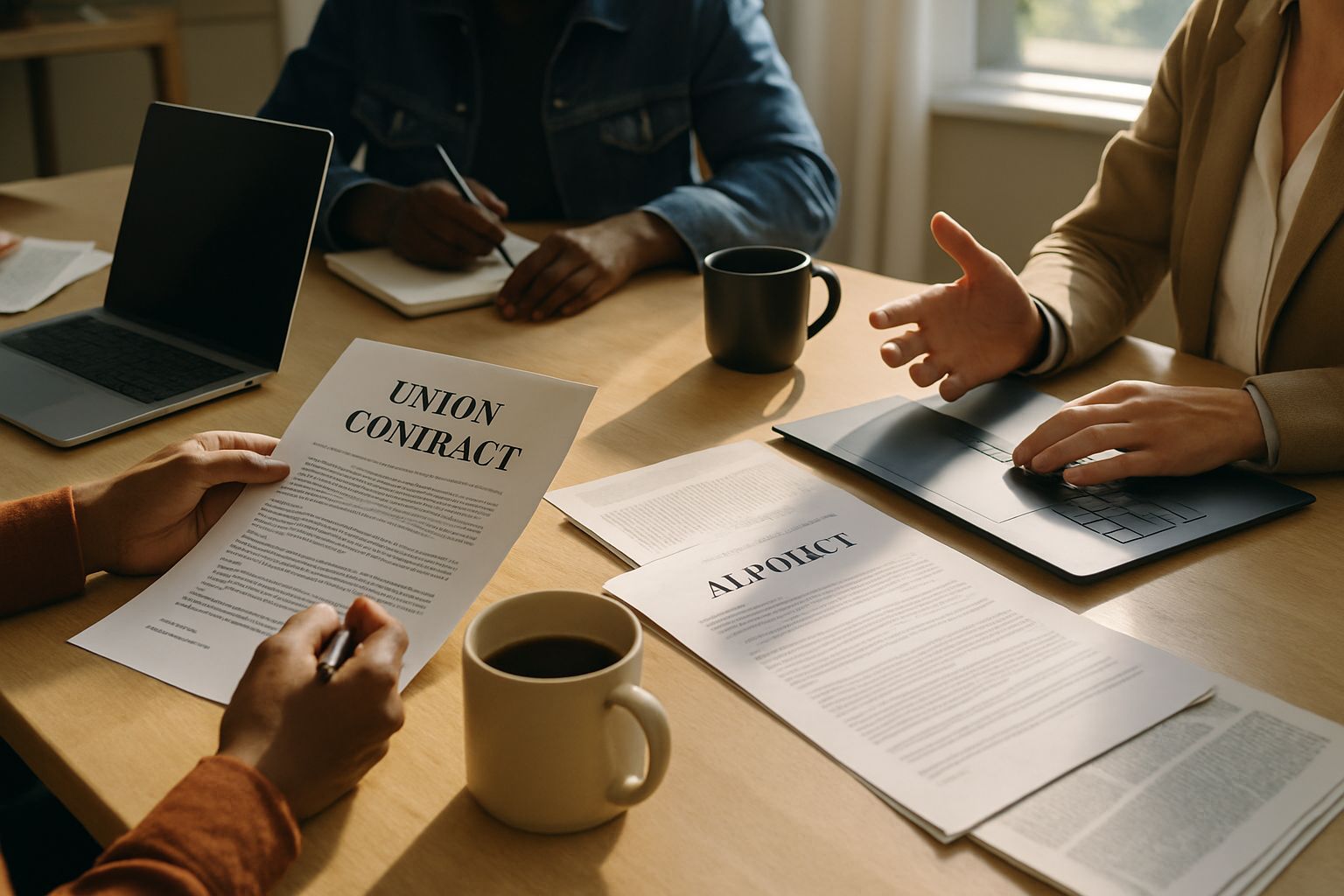
Meanwhile, industry observers watched closely because the dispute links newsmaking, automation, and collective bargaining in one high-stakes test.
Moreover, the outcome could influence future newsroom contracts across the media sector.
For readers tracking AI governance, the clash clarifies where human oversight ends and machine assistance begins.
Walkout Signals Automation Tension
Union leaders chose a one-day protest to flex power without derailing long investigative timelines.
However, picket lines in New York, Washington, and Chicago carried symbolic weight well beyond 24 hours.
Digital supporters flooded social channels with the hashtag #ProPublicaStrike, amplifying concerns about unchecked automation.
Furthermore, solidarity messages arrived from other NewsGuild units already negotiating similar AI clauses.
Guild representatives said 92 percent of eligible members had authorized broader action if talks stall again.
Consequently, management now faces renewed pressure to address job security before the newsroom escalates.
Participants claimed the protest defended Labor Rights against unilateral technological change.
Key Numbers At Glance
- Bargaining unit size: about 150 employees.
- Authorization vote: roughly 92 percent yes.
- Bargaining timeline: more than two years without agreement.
These numbers reveal deep frustration among staff.
In contrast, management insists consultation already occurred, a claim explored next.
Union Demands Contractual Guardrails
Negotiators entered talks prioritizing clear language that bars AI-driven layoffs.
Moreover, they seek disclosure rules whenever automation assists reporting or editing tasks.
The package also outlines just-cause discipline standards and seniority based layoff procedures.
Additionally, the Guild pushes for wage floors that lift colleagues working outside marquee investigations.
Such proposals, members argue, translate abstract Labor Rights into enforceable protections.
Consequently, union leaders framed AI clauses as non-negotiable core to newsroom identity.
ProPublica journalists warn that diluted language could let algorithms displace enterprise journalism quietly.
Meanwhile, members link Labor Rights directly to editorial independence.
Nevertheless, management has resisted absolute bans, offering severance promises instead.
These diverging positions lock the parties in stalemate.
Therefore, attention shifts to how management justifies its existing policy.
Management Defends AI Policy
Executives cite published AI principles meant to guide responsible experimentation.
However, they maintain the document emerged after consulting the bargaining committee.
In contrast, union negotiators describe that release as unilateral implementation.
Management further argues flexibility is crucial because automation may boost investigative reach.
Consequently, leaders prefer compensation options over blanket no-layoff promises.
ProPublica spokespeople also emphasize transparency, noting public posting of the guidelines.
Meanwhile, they reject assertions that Labor Rights were ignored.
Journalism analysts warn reputational fallout if investigative credibility appears compromised.
Furthermore, attorneys advising management insist existing policy respects Labor Rights fully.
Observers say both narratives signal willingness to innovate, yet differ on control mechanisms.
The gulf between consultation and consent remains wide.
Subsequently, legal remedies become pivotal leverage.
Legal Stakes And Precedent
Under U.S. labor law, policy changes affecting work conditions require bargaining in good faith.
Therefore, the union's NLRB complaint alleges unlawful unilateral implementation.
If investigators agree, ProPublica could face orders to rescind guidelines and bargain retroactively.
Nevertheless, the process can stretch months, offering management time but prolonging uncertainty.
Earlier newsroom contracts at other outlets already enshrine AI limits, providing persuasive precedent.
Consequently, a formal ruling favoring workers would strengthen emerging Labor Rights jurisprudence.
Union lawyers counter that meaningful Labor Rights do not coexist with unilateral edicts.
Legal experts also highlight potential ripple effects for journalism unions beyond the nonprofit sector.
Moreover, human resources leaders following automation trends monitor the case closely.
High stakes extend beyond one contract.
Meanwhile, industry voices respond with cautious solidarity.
Industry Impact And Reactions
Media unions nationwide issued statements backing the one-day strike and its goals.
Additionally, nonprofit funders watching newsroom sustainability debates expressed interest in negotiated AI frameworks.
Journalism think tanks argue that transparent human oversight protects credibility and donor trust.
In contrast, some tech executives celebrate rapid experimentation, warning that rigid rules hinder innovation.
Professional development groups note that new skills can secure Labor Rights while embracing tools.
Professionals can enhance their expertise with the AI in Human Resources™ certification.
Consequently, balanced upskilling strategies gain traction across editorial teams.
Strike organizers welcome external pressure, arguing momentum keeps negotiation deadlines tight.
External endorsements raise reputational costs for delay.
Therefore, both sides weigh strategic next steps.
Strategic Paths Forward
Both bargaining teams return to the table this week with public opinion freshly shaped.
However, the Guild warns broader strike action remains possible if talks stagnate.
Management, meanwhile, signals willingness to refine language yet resists absolute prohibitions.
Mediators suggest phased reviews that integrate AI usage reports and safeguard Labor Rights simultaneously.
Subsequently, a hybrid solution could establish disclosure protocols before any algorithm affects headcount.
Moreover, cost-of-living raises tied to contract milestones may ease wage friction.
Compromise hinges on enforceable wording and transparent oversight.
Consequently, the coming weeks will reveal whether the dispute settles or escalates.
Conclusion And Outlook
This newsroom showdown illustrates how generative AI now intersects core workplace commitments.
Consequently, other outlets will scrutinize any settlement for cues on balancing innovation and job security.
Regulators may also lean on the eventual agreement when evaluating future unfair-labor-practice disputes.
Meanwhile, union negotiators view their brief walkout as proof that collective action still moves management.
Management, for its part, can still position the policy as a transparent model if revised collaboratively.
Therefore, the coming weeks represent a critical window for crafting durable, tech-aware newsroom governance.
Readers, funders, and technologists alike should watch the talks closely and prepare to benchmark emerging standards.
Explore our archive for deeper coverage and bookmark future updates as negotiations progress.
Consider strengthening your AI governance skills through the linked certification today.


