

AI CERTS
4 hours ago
Fintech AI Efficiency Reshapes Block Workforce
Market Reacts To Cuts
Shares of Block surged about 25% in after-hours trading. Investors interpreted the single, decisive action as a route to leaner operations. Furthermore, Q4 2025 results already showed a 24% gross-profit jump to $2.87 billion. Therefore, Wall Street loved the margin narrative. Analysts at Evercore and Truist praised the bold consolidation, citing renewed focus on core payments and Cash App growth. However, Bloomberg columnists warned that celebratory trading could fade if service quality slips.
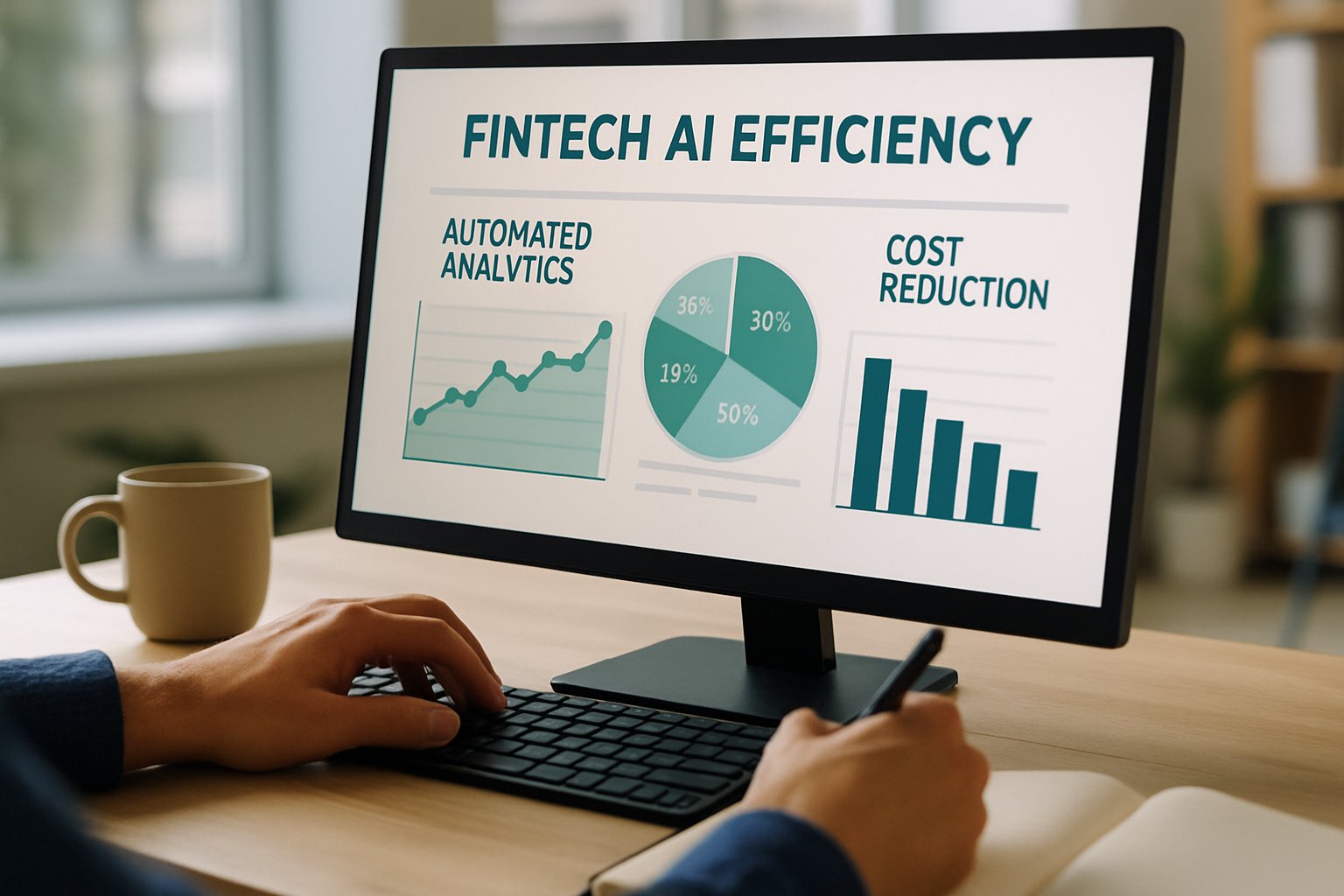
Strong financials and a clear timeline calmed immediate uncertainty. Consequently, attention pivoted to management’s detailed rationale. The following section explores that reasoning.
Fintech AI Efficiency Debate
Dorsey claimed Fintech AI Efficiency lets smaller squads outperform past structures. He wrote, “A significantly smaller team, using the tools we’re building, can do more and do it better.” Additionally, CFO Amrita Ahuja told Fortune that internal metrics showed an 18-month leap in productivity. In contrast, Sam Altman labeled many layoff explanations as “AI-washing.” He argued that some firms blame automation while really correcting pandemic over-hiring.
Moreover, expert economists stressed the difference between augmentation and replacement. Block’s message centers on replacement powered by intelligence tools. Nevertheless, skeptics demand granular workflow data, not aggregated gross-profit figures. Two key questions emerge: Which roles vanished, and which AI systems assumed their duties?
This debate frames the strategic stakes. However, operational design matters as much as philosophy. The next section examines how Block intends to run smaller flatter team model.
Smaller Flatter Team Model
Management pledged to reorganize around flat teams spanning product, engineering, and compliance. Consequently, decision cycles should shrink. Internal directories will chart responsibilities directly to senior leads, bypassing layers of middle management. Furthermore, intelligence tools will route support tickets, flag fraud anomalies, and draft regulatory filings.
Block’s memo reiterated that each product pod keeps end-to-end accountability. Meanwhile, cross-functional AI agents supply real-time analytics. Proponents see streamlined governance; critics foresee overloaded senior staff. Nevertheless, the company insists these flat teams outperform pre-cut hierarchies.
A lean chart accelerates ideas, yet severance costs remain high. Therefore, financial mechanics deserve a closer look next.
Severance And Cost Math
Block projects $450–$500 million in restructuring charges. Most cash will fund generous severance:
- 20 weeks base pay plus one week per service year
- Equity vesting through end of May 2026
- Six months of healthcare continuation
- $5,000 transition stipend and device returns
Additionally, localized packages adjust for foreign labor laws. CFO Ahuja said the plan minimizes future uncertainty by completing actions before Q3. Consequently, guidance still forecasts mid-to-high-teens gross-profit growth for 2026. Fintech AI Efficiency appears again as management’s hedge: automated workflows should counter lost capacity and recoup charges within one year.
These figures outline near-term pain. Nevertheless, reputation risks could extend longer. The next section details external critiques.
Critics Question AI-Washing
Bloomberg’s opinion desk doubted whether intelligence tools alone warrant a 40% cut. Moreover, labor advocates flagged potential WARN-Act compliance gaps in California and New York. Sam Altman’s “AI-washing” comment amplified those doubts. Consequently, analysts call for disclosure of before-and-after workflow metrics.
In contrast, bullish investors argue markets already judged the move. They point to the share spike as proof of confidence. Nevertheless, service-level outages or compliance failures could reverse goodwill quickly.
Public skepticism keeps pressure on Block. Therefore, legal and policy dimensions warrant examination next.
Compliance And Labor Risks
Running a regulated payments network with fewer employees raises governance questions. Furthermore, anti-money laundering checks and customer-support obligations persist. Block says intelligence tools will monitor anomalies continuously. However, regulators may demand audits verifying these claims. Additionally, multijurisdictional labor laws require varying notice periods; inconsistent applications could invite lawsuits.
Worker outcomes outside the United States remain opaque. Watchdog groups have begun compiling testimonies. Consequently, policy makers could use Block as a test case for future AI displacement rules.
These compliance uncertainties shadow margin hopes. Nevertheless, strategic planning continues. The following section projects the road ahead.
Strategic Outlook For 2026
Block expects completed cuts by late Q2, freeing budget for product bets. Moreover, leadership wants to scale generative models across Cash App risk scoring and Square seller analytics. Fintech AI Efficiency underpins each roadmap milestone. Additionally, executives encourage staff to pursue upskilling. Professionals can enhance their expertise with the AI+ Human Resources™ certification.
Consequently, Block aims to prove that intelligence tools truly replace redundant layers without harming growth. Success could inspire peer companies. In contrast, stumbles might validate critics and reignite hiring.
Upcoming earnings will indicate progress. However, the true test spans multiple product cycles.
These strategic bets close our analysis. Meanwhile, the conclusion distills practical lessons for industry leaders.
Conclusion And Key Lessons
Jack Dorsey’s bold reduction highlights Fintech AI Efficiency as both promise and provocation. Moreover, market cheer shows investor appetite for decisive restructuring. Nevertheless, survival hinges on delivering services flawlessly with flat teams and robust intelligence tools. Consequently, transparency around specific productivity metrics will decide whether critics accept the narrative.
Fintech leaders should benchmark Block’s journey while preparing for similar scrutiny. Additionally, professionals may future-proof their careers by securing domain-relevant AI credentials. Explore the linked certification and stay adaptive in this dynamic landscape.


