

AI CERTS
4 hours ago
Compute Capacity Crisis: US Data Center Delays Mount
Several forces collide. Grid interconnection waits stretch past four years. Local voters resist water-hungry campuses. Moreover, supply chains struggle to deliver basic substation gear. These intertwined pressures form the heart of today’s Compute Capacity Crisis.
Grid Bottlenecks Stall Projects
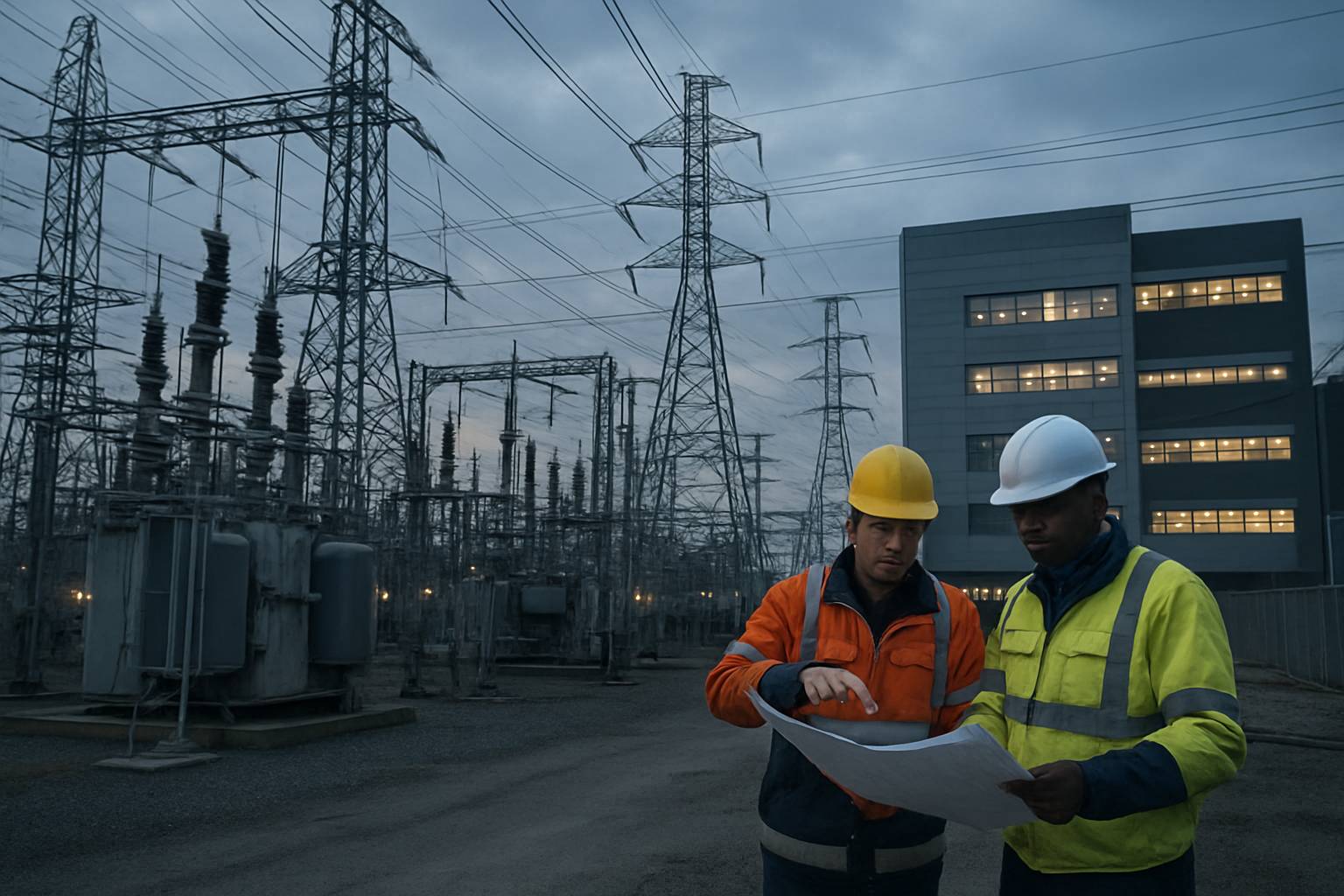
Connecting new hyperscale loads now resembles rush-hour traffic. NERC reports transformer lead times between 80 and 210 weeks. Therefore, developers face multi-year delays before receiving essential hardware. Google’s Marsden Hanna bluntly noted, “Connecting to the grid is the No. 1 challenge.”
The Department of Energy pushed FERC to rewrite large-load rules by April 2026. Nevertheless, tariff reforms will take months to filter through regional operators. Meanwhile, interconnection queues swell with tens of gigawatts of AI demand. Sightline forecasts 30–50 percent of 2026 capacity slipping beyond schedule, amplifying the Compute Capacity Crisis.
These grid obstacles highlight systemic gaps. Furthermore, slow transformer deliveries threaten reliability upgrades nationwide. Consequently, pressure on regulators will intensify in coming quarters.
These challenges underscore acute infrastructure barriers. Nevertheless, political dynamics add another layer of volatility leading into the next section.
Local Backlash Intensifies Opposition
County hearings have grown heated. Residents cite water drawdowns, diesel noise, and opaque tax deals. In Loudoun County, Virginia, supervisors rejected several proposals during 2025. In contrast, New York legislators introduced a three-year moratorium on projects over 20 MW.
Grassroots groups such as Food & Water Watch demand a national pause. Their campaigns gained traction after reports revealed billions in subsidies for individual campuses. Consequently, more municipalities adopted temporary freezes. Each moratorium removes megawatts from the pipeline, fueling the Compute Capacity Crisis.
Developers now allocate extra months for public outreach. However, opposition networks share tactics across states, reducing the learning curve for activists. Moreover, social media spreads local victories quickly, energizing new communities.
These political headwinds stall permitting momentum. Therefore, companies must rethink engagement strategies before the supply discussion ahead.
Supply Chain Woes Deepen
Physical components remain scarce. Large power transformers weigh hundreds of tons and require custom cores. Wood Mackenzie warns that global steel shortages prolong fabrication. Moreover, complex tariff regimes inflate costs, aggravating Capital Costs for every developer.
Additionally, data centers face an unexpected Helium Shortage. Next-generation GPUs rely on helium-filled cooling modules. Restricted gas exports and industrial demand spikes tightened supplies three times during 2025. Consequently, prices rose 250 percent, worsening Capital Costs and delaying deliveries.
These intertwined shortages exacerbate the larger Compute Capacity Crisis. Without transformers, campuses lack power. Without helium, racks overheat. Furthermore, scarcity undermines budget forecasts, deterring lenders.
Transformer Wait Times Soar
NERC’s 2025 reliability study shows average waits near 120 weeks. Some utilities report four-year horizons. Subsequently, developers gamble on future spot availability, a risky bet amid rising metallic prices.
The federal government considers incentives for domestic transformer plants. However, factories require years to commission, offering no short-term relief.
These supply realities deepen uncertainty. Nonetheless, financial maneuvers attempt to cushion impacts, as the next section explains.
Financing Pressures Shift Timelines
Capital allocation hinges on predictable schedules. Lenders penalize overruns, raising interest spreads. MacroEdge counted $64 billion in paused deals by early 2026. Moreover, Oracle and OpenAI scrapped a 600 MW expansion in Abilene, citing timing and Capital Costs.
Hyperscalers now stagger investments, redirecting GPUs to existing campuses. Consequently, developers without anchor tenants struggle to secure equity. Bloomberg estimates hundreds of billions in AI capex remain budgeted yet unsecured.
These financial tremors reinforce the Compute Capacity Crisis. Additionally, they motivate firms to explore efficiency gains that require less physical footprint, a theme embraced by Futurism thinkers predicting leaner AI stacks.
Monetary strains force creative responses. The subsequent policy section details potential stabilizers.
Policy Moves Shape Outlook
Federal avenues might ease friction. DOE’s directive to FERC seeks streamlined study windows for 20 MW loads. Furthermore, Congress debates tax credits for domestic transformer fabrication. In contrast, progressive lawmakers propose a national construction pause.
States experiment with their own levers. Texas accelerated substation permitting after the Abilene headline. Meanwhile, New York’s moratorium bill S.9144 awaits committee markup. Consequently, market watchers parse legislative calendars as closely as earnings calls.
Professionals can enhance their expertise with the AI Cloud Strategist™ certification. The credential equips leaders to navigate grid planning, sustainability, and financing—core elements of the Compute Capacity Crisis.
Tracking Pipeline Data Gaps
Reliable statistics remain elusive. Sightline, Heatmap, and Data Center Watch publish divergent cancellation counts. Douglas Jester notes that developers shop identical blueprints across counties, complicating audits.
Reporters therefore triangulate permits, lease filings, and ISO queue logs. Consequently, many headlines cite ranges rather than absolutes, a frustration for investors.
Better transparency could calm fears. However, competitive dynamics limit voluntary disclosure, sustaining uncertainty around the Compute Capacity Crisis.
Supply Statistics At A Glance
The following figures capture today’s bottleneck:
- 190 GW announced capacity since 2024 (Sightline)
- 16 GW slated online in 2026; only 5 GW building
- 80–210 week transformer lead times (NERC)
- ~25 projects canceled in 2025 (Heatmap)
- $64 billion projects delayed (Data Center Watch)
These numbers quantify mounting risks. Therefore, stakeholders need coordinated responses before shortages worsen.
The data showcase scale and urgency. Nevertheless, strategic innovation could still redirect the narrative, as explored in our conclusion.
Conclusion And Next Steps
The United States stands at a crossroads. Grid queues, volatile commodities, and civic pushback converge into a stubborn Compute Capacity Crisis. Moreover, transformer scarcity, Helium Shortage, and soaring Capital Costs magnify uncertainty. Yet, proactive policy, transparent data, and skilled leaders can reverse momentum.
Professionals should monitor FERC rulemaking, state moratoria votes, and supply incentives. Additionally, pursuing the linked AI Cloud Strategist™ certification deepens expertise, positioning teams to secure scarce capacity.
Act now. Strengthen knowledge, engage regulators, and innovate around resource limits. Consequently, your organization can thrive despite today’s Compute Capacity Crisis.


