

AI CERTS
4 hours ago
Student Distress Tracking Debate Intensifies in Schools
Moreover, many districts also deploy chatbot “companions” that offer breathing exercises and cognitive-behavioral tips. Proponents argue the technology extends strained counseling teams. Nevertheless, privacy lawyers, researchers, and students fear unintended harm. In contrast, vendors highlight lives they say were saved. The debate is urgent because recent CDC data show one in five teens seriously considered suicide. Therefore, administrators face intense pressure to act. This article explains how schools apply AI to mental health. It also reviews evidence and unresolved Surveillance, Privacy Concerns, and Safety questions.
Rapid AI Adoption Trends
Districts have added AI mental-health tools at remarkable speed during the past 18 months. Moreover, budget reports show hundreds of contracts signed with monitoring vendors and chatbot providers. Student Distress Tracking now appears in procurement lists from Florida to Oregon. Administrators increasingly cite Student Distress Tracking as a required line item when renewing learning-management contracts.
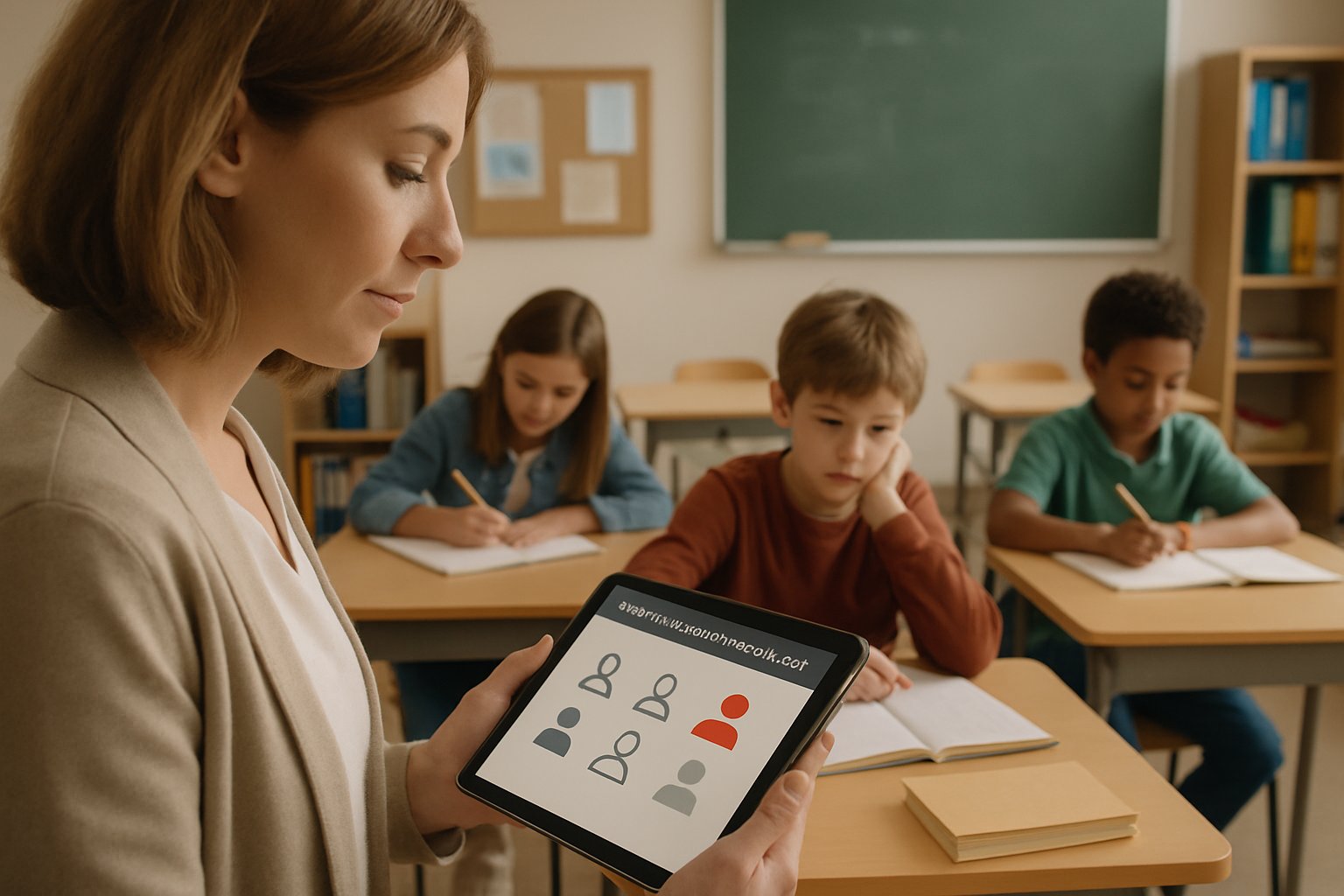
Two tool categories dominate current deployments. First, always-on Surveillance software scans documents and searches for risk phrases. Second, conversational agents offer students cognitive-behavioral prompts and mindfulness exercises. Both feed alerts into the same counselor escalation lists.
Adoption decisions often occurred without peer-reviewed evidence. However, usage numbers continue climbing month after month. The promised benefits help explain this growth.
Promised Scale And Potential
Proponents emphasize scalability above all. One counselor can supervise thousands of at-risk students through automated triage dashboards. Moreover, Student Distress Tracking claims to provide twenty-four-hour coverage that human staff cannot match. Chatbots supplement this reach by supplying calming scripts when anxiety spikes outside school.
Key statistics driving adoption include:
- CDC 2023 data: 20% of high-schoolers considered suicide at least once.
- One Vancouver district recorded 1,000 suicide alerts in a single year.
- Independent surveys show 42% of students used AI for emotional support.
Alongside’s CEO asserts that several hundred crisis contacts have been prevented. However, reporters found the company has not released independent verification.
The scale argument resonates with cash-strapped districts. Nevertheless, promised outcomes remain largely unverified. Accuracy questions therefore dominate the next debate.
Data Accuracy Questions Mount
False positives plague many monitoring systems. AP investigations uncovered creative writing assignments wrongly tagged as suicide notes. Consequently, counselors chase harmless alerts while genuine crises risk being buried.
RAND researchers concluded evidence for outcome improvement remains "scant". Moreover, sensitivity and specificity rates are rarely published. Vendors say detailed figures are proprietary, hampering external review.
Student Distress Tracking also suffers from language bias. Misspellings or cultural slang can confuse algorithms, producing higher alert counts for marginalized groups. In contrast, privileged students using personal devices face less Surveillance.
Accuracy shortcomings erode staff trust and student goodwill. However, equity issues intensify the controversy. Those equity risks demand closer scrutiny next.
Equity And Bias Risks
Civil-rights advocates warn that constant Surveillance amplifies existing disparities. Language models often misinterpret colloquialisms used by LGBTQ+ or Black students. Therefore, these groups receive a disproportionate share of false alerts.
Attachment risks complicate the equity picture. Students experiencing loneliness may over-rely on chatbots, avoiding human counselors. Consequently, developmental experts fear long-term social skill erosion.
Some districts now commission bias audits for Student Distress Tracking algorithms. Nevertheless, results are seldom made public.
Bias audits remain voluntary and opaque. Moreover, policy makers are beginning to intervene. We next examine emerging rules.
Evolving Policy Response Agenda
State education departments are issuing responsible AI toolkits. Minnesota now requires districts to publish monitoring policies and notify families. Additionally, several states mandate annual board reviews of Student Distress Tracking contracts.
Federal lawmakers have proposed a K-12 Algorithmic Accountability Act. The bill would compel vendors to share accuracy and demographic impact data. Meanwhile, nonprofit groups distribute model request-for-proposal clauses on data deletion.
Professionals can enhance their expertise with the AI Educator™ certification. Such training supports evidence-based procurement and oversight.
Policy momentum signals growing skepticism of unchecked tech. Consequently, districts must balance compliance and innovation. Rights and Safety tensions therefore move to the foreground.
Balancing Rights And Safety
District leaders say they walk a tightrope between duty of care and student autonomy. Privacy Concerns dominate school board public comment sessions. Parents question constant data collection, yet others demand maximal Safety guarantees.
Some districts now limit after-hours police escalations unless human counselors verify imminent danger. Moreover, they label Student Distress Tracking alerts as confidential health records, reducing circulation.
Experts suggest a layered defense model. Universal wellness programs, periodic screenings, and targeted counseling should precede heavy Surveillance. Consequently, AI becomes a supplement rather than a panacea.
Rights-based safeguards can coexist with Safety objectives. Nevertheless, implementation requires deliberate design and transparency. Schools now search for practical next steps.
Practical Steps For Schools
Districts evaluating Student Distress Tracking should begin with clear objectives. Therefore, leaders must define desired outcomes, success metrics, and escalation boundaries.
Next, conduct a data protection impact assessment addressing Privacy Concerns, retention periods, and third-party sharing. Moreover, involve students, parents, and counselors in tool selection panels.
Before launch, run a limited pilot with continuous bias audits. Document false positive rates, demographic patterns, and real interventions weekly.
Finally, publish annual transparency reports summarizing Student Distress Tracking performance. Consequently, community trust can grow alongside Safety benefits.
Structured governance turns reactive purchases into accountable programs. In contrast, rushed rollouts magnify risks. The journey now moves from hype to evidence.
These monitoring tools will likely remain part of school mental-health strategies. However, evidence-driven governance must steer their evolution. Districts that pair transparent policies with independent audits can mitigate Privacy Concerns and fortify Safety outcomes. Moreover, teams that upskill through the AI Educator™ program gain frameworks for ethical AI deployment. Consequently, students receive timely help without unnecessary Surveillance. Therefore, readers should review their institution’s practices and advocate for accountable AI now.


