

AI CERTS
3 hours ago
Teen Data Gigs and Biometric Data Exploitation Risks
Gig Data Market
Grand View Research values the global data collection and labeling sector at US $17.1 billion by 2030. Moreover, apps such as Kled AI, Silencio, Luel AI, and ElevenLabs scramble to secure fresh human voices. Each minute of clean audio sells for as little as US $0.02. In contrast, rich conversational pairs may reach US $0.50 per minute. The Guardian found thousands of contributors across five continents. Saiph Savage notes that hidden human labor props up “magical” AI systems.
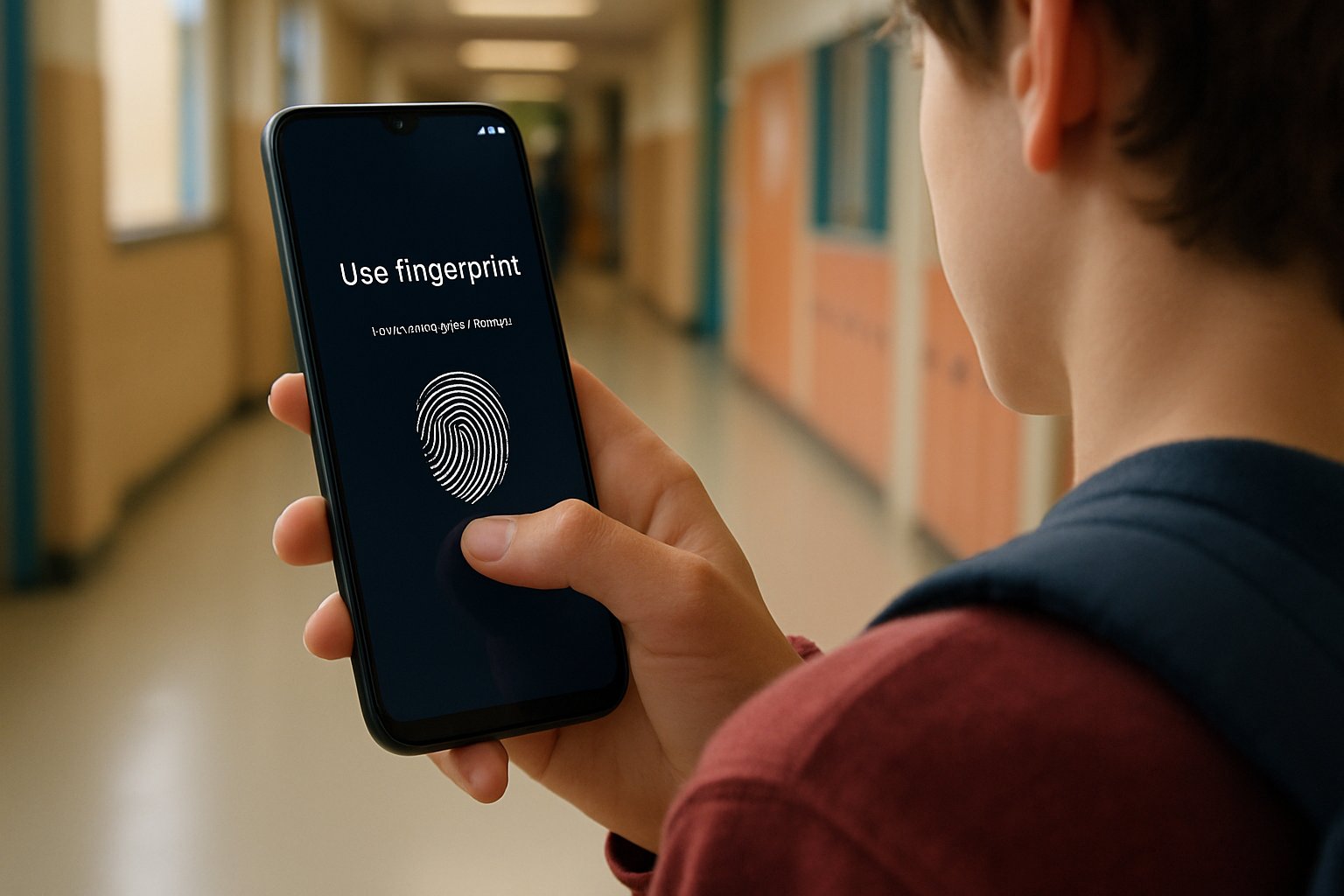
Neon Mobile exemplifies opportunity and peril. The viral app paid users to record phone calls. Subsequently, a TechCrunch probe revealed a flaw that leaked numbers and transcripts. The breach illustrates immediate Privacy Risk. Additionally, it underscores systemic security gaps that accompany Biometric Data Exploitation.
These numbers reveal scale. However, the next section shows why teens flock to this work.
Teens Join Supply
Allowance gaps push minors toward gig apps. Furthermore, low verification hurdles make sign-up effortless. WIRED polling suggested 20 percent of labelers on major platforms were under 18. South Korean police reported 324 teenage suspects in deepfake sex crimes during 2024. Thorn’s 2024 survey found one in ten minors knew peers crafting synthetic nudes.
- Neon Mobile: ~US $0.50 per recorded minute
- Luel AI: ~US $0.15 per multilingual minute
- ElevenLabs: ~US $0.02 base voice minute
Quick earnings offer stark Financial Incentive. Consequently, many teens ignore distant threats. Jennifer King warns that sellers “will have little recourse” when data is repurposed. Meanwhile, contracts often grant broad, transferable rights forever. Such terms represent classic Biometric Data Exploitation.
Short-term gains look tempting. Nevertheless, deeper hazards surface next.
Deepfake Threat Looms
High-resolution faces and voices fuel realistic deepfakes. Consequently, minors risk involuntary starring roles in synthetic pornography or fraud campaigns. Thorn documents rising victim counts among children. Moreover, South Korean arrests highlight criminal monetization of fake nudes.
Biometric patterns are hard to revoke. Therefore, once traded, they can power voice-cloning scams years later. Experts call this an existential Privacy Risk rather than a fleeting glitch. Enrico Bonadio stresses that many licenses permit “almost anything… forever.” Thus, Biometric Data Exploitation embeds lifelong vulnerabilities.
These harms demand oversight. The following section tracks the evolving legal response.
Regulatory Net Tightens
U.S. regulators sharpen focus on youth-facing AI. In 2025 the FTC opened inquiries into chatbot companions. State Attorneys General followed with stern letters. Consequently, data marketplace operators expect subpoenas about storage, consent, and age checks.
Internationally, South Korean police raids continue, while OECD.ai logs incidents like Neon. Moreover, EU digital laws require stronger safeguards for minors. Failure to comply may trigger massive fines. Therefore, compliance budgets rise even as platforms chase cheap voices.
Regulators move swiftly. However, teens still assess trade-offs, explored next.
Weighing Short-Term Rewards
Youth participants cite flexible hours and dollars paid in stable currencies. Additionally, some argue that explicit licensing is more ethical than covert scraping. These rationales frame the dominant Financial Incentive.
Nevertheless, power asymmetry remains stark. Payments rarely exceed coffee money, while buyers extract perpetual value. Consequently, many analysts question the Ethics of compensation structures. Veniamin Veselovsky reminds readers that “human data is the gold standard.” Platforms thus profit disproportionately from Biometric Data Exploitation.
The debate over fairness informs policy and industry action, detailed below.
Policy And Industry Moves
Responsible AI labels gain traction. Moreover, risk assessment frameworks now demand proof of robust consent and deletion pathways. Professionals can enhance their expertise with the AI Data Steward™ certification.
Investors increasingly ask founders about underage usage metrics. In contrast, NGOs push for biometric deletion rights. Consequently, privacy-preserving data synthesis tools attract funding. These shifts aim to curb Privacy Risk and strengthen Ethics compliance.
Momentum builds around safeguards. Yet practical protection steps for families remain crucial.
Protecting Youth Biometric
Parents should review app licenses line by line. Furthermore, device settings can block microphone and camera access by default. Teachers may run workshops on deepfake detection. Meanwhile, policymakers debate mandatory age verification for data gigs.
Helpful guidelines include:
- Check payment rates against potential lifetime costs
- Avoid platforms without clear deletion options
- Report deepfake abuse to local cybercrime units
- Pursue reputable training like the linked certification to understand data value
Following such steps reduces Privacy Risk and questions the Ethics of low-value trades. Consequently, fewer minors may enter the pipeline of Biometric Data Exploitation.
These protective measures close the loop. The conclusion distills final insights.
Conclusion
Teens now sit at the front line of AI data supply. Moreover, the boom in Biometric Data Exploitation offers pocket money yet exposes lifelong dangers. Regulatory bodies accelerate scrutiny, while NGOs highlight deepfake crimes. Consequently, families, educators, and developers must prioritize consent, security, and fair pay. Professionals seeking deeper understanding should pursue the linked certification and advocate for transparent data markets. Together, stakeholders can transform today’s risky gig into an equitable ecosystem.


