

AI CERTS
4 hours ago
Political Misinformation Hoax Exposes AI Image Pitfalls
Moreover, it revealed growing gaps between real-time politics and forensic validation. Analysts noted how Deepfakes exploit emotional patriotism. Consequently, calls for stronger Media Literacy training multiplied. This article unpacks the timeline, the detection process, and the broader policy stakes.
Weekend Image Goes Viral
The chain reaction began on April 5, 2026. A pro-Trump account named @MissyIsMaga posted the fabricated photo. Meanwhile, Texas Governor Greg Abbott, Attorney General Ken Paxton, and Representative Mike Lawler reshared the image within hours. Hive Moderation later counted roughly 21,000 reshares on the X Platform during the first 24 hours. Consequently, the visual dominated conservative feeds.
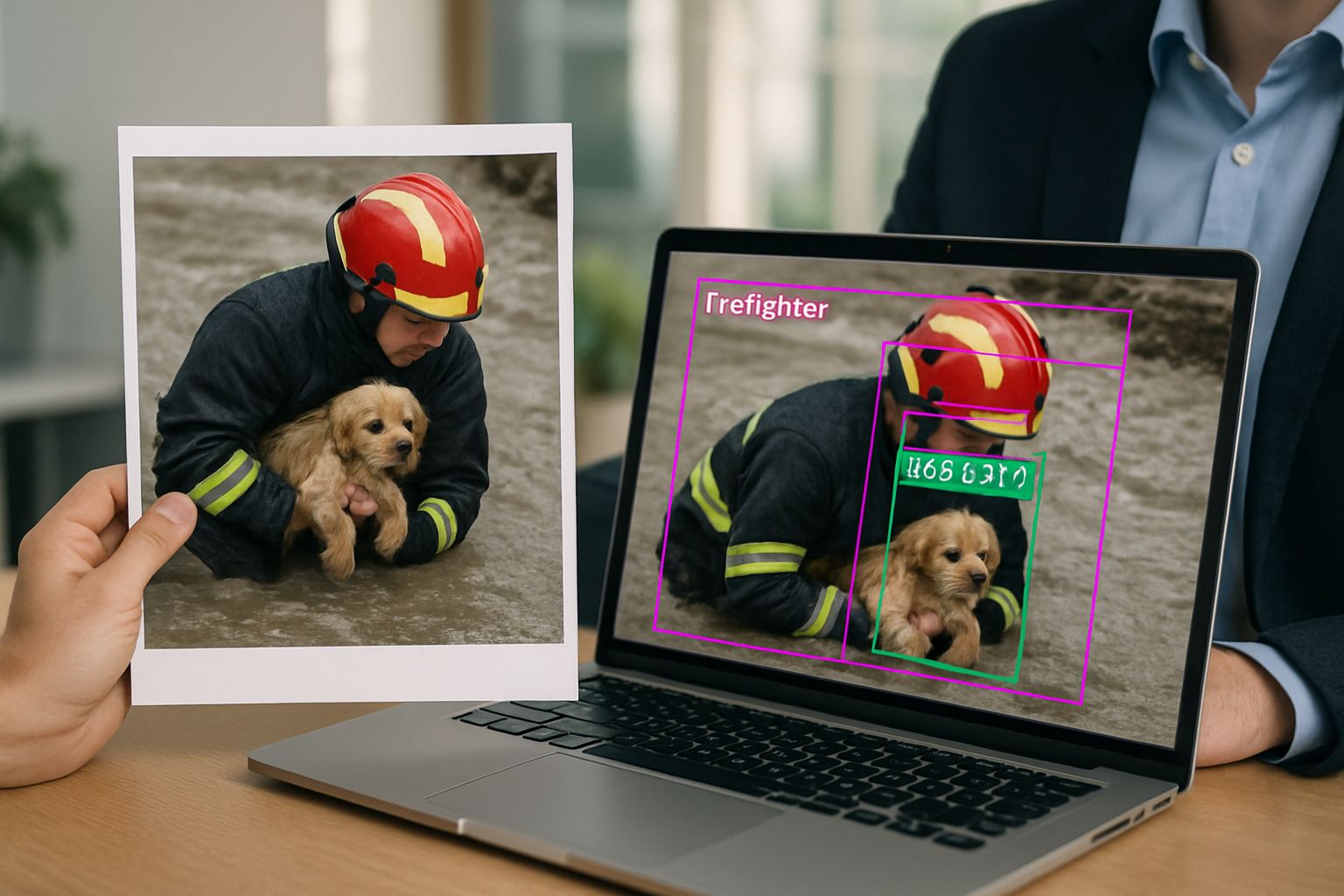
No official rescue images existed at that moment. Nevertheless, the post’s patriotic framing triggered rapid amplification. Observers quickly labeled the case a Political Misinformation Hoax. Subrahmanian’s lab later highlighted distorted flag stripes and oddly bent fingers. Those artifacts typically mark Deepfakes produced by diffusion models. Furthermore, Hive Moderation scored the file 99.9 percent likely synthetic. PolitiFact and Lead Stories confirmed the same verdict.
- 21,000+ X Platform reshares within one day
- 99.9% likelihood of AI origin per Hive Moderation
- Zero official photos released by April 6, 2026
These numbers show unprecedented speed and scale. However, they also expose verification blind spots among elected officials.
The next section explores how detection tools rapidly debunked the claim.
Detection Tools Flag Fake
Verification started almost immediately. PolitiFact journalists uploaded the image to multiple classifiers. Hive Moderation, GPT-Image Inspector, and Google SynthID examined subtle pixel inconsistencies. Moreover, analysts noticed mismatched uniform patches and blurred background textures. Therefore, the speedy debunk limited the Political Misinformation Hoax lifespan. Consequently, every tool returned a high synthetic probability.
Technical experts clarified that detectors give probabilistic scores, not absolute proof. Nevertheless, concurrent human scrutiny strengthens confidence. V.S. Subrahmanian told PolitiFact that several visual tells aligned with generative models. Additionally, the absence of verifiable metadata raised further doubt.
Combined machine and human forensics delivered a swift verdict. Therefore, attention shifted toward the officials who had amplified the image.
The following section assesses their role in the Political Misinformation Hoax.
Officials Amplify Unverified Photo
Public trust rests heavily on leaders’ credibility. Yet Abbott, Paxton, and Lawler shared the unverified picture within minutes. In contrast, Pentagon channels withheld imagery pending security review. Subsequently, critics accused the officials of fueling a larger Political Misinformation Hoax. Their posts were later deleted, but screenshots persisted on the X Platform.
Commentators argued that rapid sharing offered political upside. Celebrating an apparent rescue signaled patriotism and loyalty to military families. However, the backlash proved costly. Memes ridiculed the lawmakers, and opposition campaigns questioned their judgment. Moreover, cybersecurity scholars warned that adversaries could exploit similar lapses.
The episode damaged personal reputations and institutional trust. Nevertheless, it created momentum for broader Media Literacy initiatives.
Those educational demands form the focus of the next section.
Media Literacy Lessons Urgent
Surveys repeatedly show low public capability to spot Deepfakes. Consequently, educators and think tanks renewed calls for strategic Media Literacy programs. Fact-checking organizations proposed training modules for congressional offices. Moreover, professionals can enhance related skills with the AI Marketing Strategist™ certification. Such initiatives target the Political Misinformation Hoax phenomenon head-on.
Curricula often emphasize source verification, reverse-image searches, and detector tools. Additionally, social science research suggests peer correction reduces belief persistence. Therefore, integrating rapid response guides into staff workflows could prevent another Political Misinformation Hoax.
Education alone will not solve every challenge. However, informed staff dramatically lower viral misinformation risk.
Policy frameworks and technical safeguards must complement training, as the next segment explains.
Policy And Tech Fixes
Lawmakers are drafting provenance legislation that mandates invisible watermarks on government imagery. Meanwhile, platform engineers refine on-device detection for the X Platform and rival networks. Google’s SynthID already embeds signatures in first-party Deepfakes to aid identification. Furthermore, open standards could improve cross-platform interoperability. Advocates argue these safeguards curb the Political Misinformation Hoax cycle.
Critics caution that bad actors will adapt. Nevertheless, layered defenses increase the cost of deception. Standardized labeling, detector APIs, and instant context banners would slow the next Political Misinformation Hoax. Additionally, independent audits should verify vendor claims.
Robust policy and technology can blunt misinformation waves. Consequently, practitioners need clear verification playbooks.
The final section offers practical steps any newsroom or office can deploy today.
Practical Verification Steps Now
Effective workflows combine automated checks and human judgment. First, download suspect images for offline analysis. Then submit them to two or more Deepfakes detectors. Additionally, run reverse-image searches and inspect EXIF data. Moreover, query official press lines before resharing.
- Use dual detectors like Hive and SynthID.
- Compare with trusted photo wire services.
- Consult subject-matter experts for uniform or equipment accuracy.
- Document each decision for transparency.
Following these steps reduces exposure to any Political Misinformation Hoax circulated on the X Platform. Consequently, organizations protect both credibility and audience trust.
Simple routines deliver major resilience gains. In contrast, spontaneous sharing leaves leaders vulnerable.
The article now concludes with key reflections and a call to action.
Key Takeaways And Actions
The Iran rescue image saga underscores digital vulnerability. Moreover, it shows how Deepfakes can outpace official communications. Elected representatives amplified an unverified file and sparked a Political Misinformation Hoax. Consequently, detection tools, Media Literacy, and watermark standards all gained urgency. Leaders must embed verification steps into daily routines. Furthermore, teams should pursue continuous upskilling. Professionals eager to lead responsible campaigns can enrol in the AI Marketing Strategist™ certification. Vigilant practices and ongoing education together strengthen democratic dialogue. Act now, verify before sharing, and champion informed discourse.


