

AI CERTs
3 hours ago
Biometric Error Arrest Spurs Global Reckoning
A single false match can derail a life. In February 2026, Alvi Choudhury learned that truth inside a chilly Thames Valley station. Officers relied on an algorithm that linked his face to a distant burglary. Consequently, the episode reignited debate around Biometric Error Arrest practices within modern policing. Industry statistics now reveal large racial disparities hidden beneath impressive marketing claims. However, courts, regulators, and technologists continue wrestling with the tension between innovation and due process. Meanwhile, civil-rights attorneys cite growing evidence of automation bias and systemic harm. This article unpacks the latest data, case studies, and policy moves shaping the global conversation. Additionally, it explores concrete steps agencies can take to reduce wrongful identification incidents. Readers will gain practical insights for governance, procurement, and career development amid intensifying scrutiny. Ultimately, informed action may decide whether facial recognition advances public safety or erodes public trust.
Technology Under Fresh Fire
Facial recognition adoption has accelerated across British and American police forces during the past decade. South Wales Police alone ran more than 25,000 monthly retrospective searches, yet each Biometric Error Arrest erodes community trust. However, recent laboratory evaluations exposed startling performance gaps once demographic factors entered the frame. The UK Home Office commissioned National Physical Laboratory tests that compared false positive identification rates across groups. Results showed white subjects at 0.04 percent, while Asian subjects reached four percent, and Black subjects 5.5 percent. Moreover, Black women experienced nearly ten percent, a figure 250 times the white baseline. Consequently, legislators requested urgent explanations before any nationwide expansion proceeds.
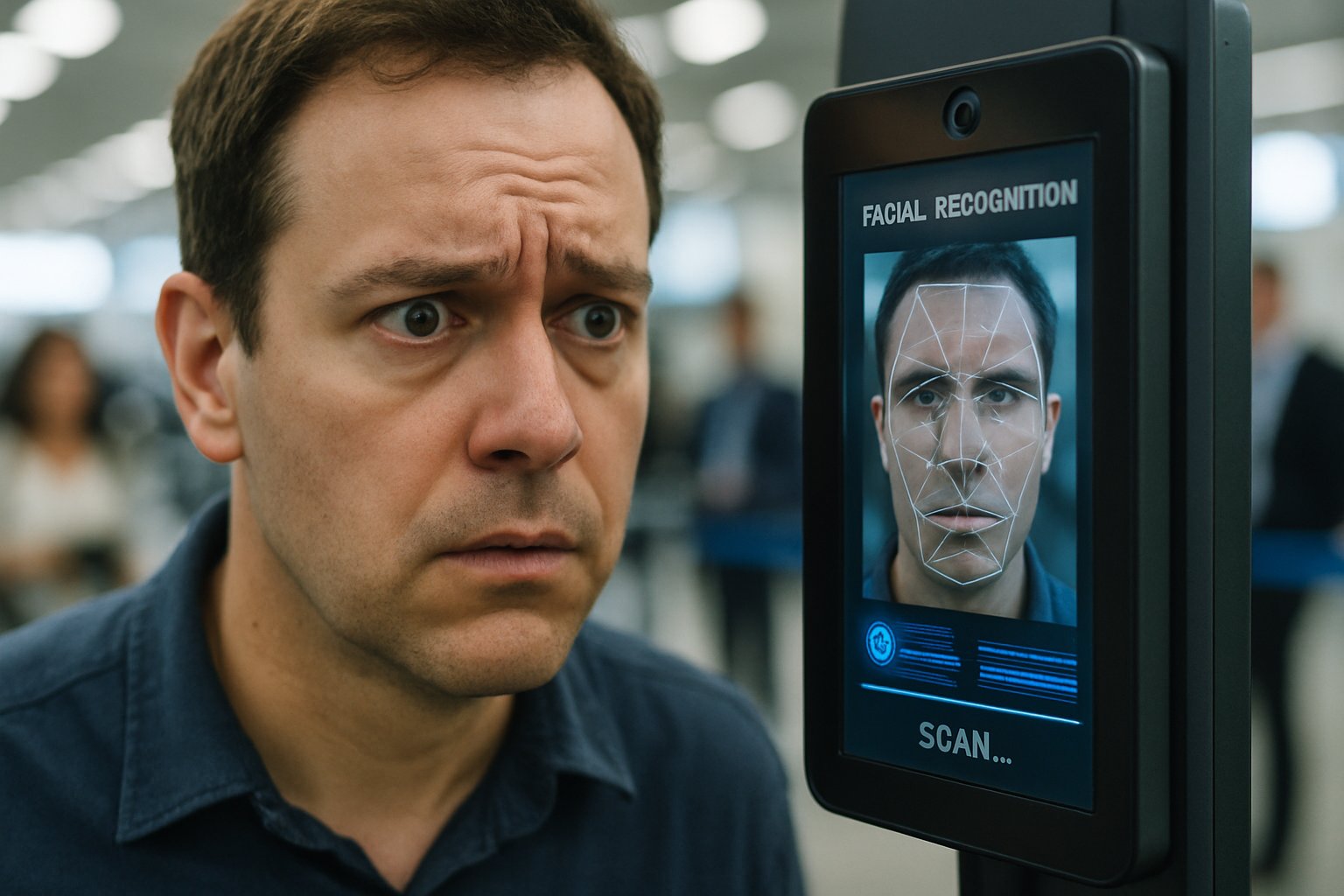
These findings confirm significant technical risk and social cost. Nevertheless, deeper statistical detail clarifies the scope of the challenge ahead.
Disparities Exposed By Data
Numbers tell a sharper story than slogans. Therefore, journalists compiled the most revealing metrics into a concise list.
- NPL test: Black women FPIR 9.9%, white subjects 0.04%.
- Washington Post: eight documented wrongful arrests in 23 departments.
- Detroit settlement: US$300,000 payout, new arrest restrictions.
- Cognitec algorithm: 25,000 UK searches monthly against 19 million images.
In contrast, vendors emphasize NIST leaderboards showing single-digit error rates, claiming fewer Biometric Error Arrest outcomes. However, field images rarely match laboratory quality, widening outcome gaps once again. Furthermore, watchlist composition changes lift overall error rates because cumulative probabilities multiply across millions of identities. These compounded risks drive continuing calls for algorithmic audits and transparent score thresholds.
Reliable statistics anchor any honest discussion. Subsequently, individual case studies illustrate how abstract numbers translate into personal harm.
Wrongful Arrest Case Study
Choudhury’s ordeal provides the clearest recent example of a Biometric Error Arrest misfire. He was asleep in Southampton when burglars struck a Milton Keynes home 100 miles away. Retrospective matching software still flagged his old custody photograph at high similarity. Consequently, arresting officers detained him for ten hours, collected DNA, and photographed him again. Journalists branded the event the latest UK Biometric Error Arrest headline. Meanwhile, employer notices and social media rumours damaged his reputation within hours. Thames Valley force later admitted the match likely stemmed from algorithmic bias. The young engineer now seeks damages for lost income and psychological distress. Moreover, civil-rights groups argue repeated mugshot retention could trigger future false matches. Robert Williams, detained in Detroit six years earlier, echoes those fears across the Atlantic. Both men highlight cascading costs that rarely appear in product brochures.
Individual stories humanize statistical disparities. Therefore, understanding cognitive dynamics inside investigation rooms becomes essential for prevention.
Automation Bias Amplifies Risk
Automation bias describes the human tendency to over-trust algorithm outputs. Washington Post emails showed detectives describing matches as "100% certain" without corroboration. In contrast, scientific guidelines warn that every score represents probabilistic evidence, not definitive identification. Additionally, larger watchlists inflate false alarms, creating volume that fatigues human reviewers. Consequently, some investigators skip manual checks, accelerating Biometric Error Arrest probabilities. NIST researchers recommend training, blind review protocols, and score thresholds that vary by demographic group. Nevertheless, resource constraints inside many departments hinder comprehensive reforms. Civil-liberties lawyers argue that systemic incentives still reward quick arrests over slow justice.
Workload plus stress equals heightened danger. Subsequently, policy interventions attempt to realign incentives with constitutional safeguards.
Oversight And Policy Shifts
Regulators have started responding to escalating controversy. The UK Information Commissioner demanded clearer guidance after the December 2025 NPL report. Moreover, the Home Office promised further evaluation before national deployment. In the United States, city bans, state moratoria, and court settlements patchwork governance. Detroit’s Robert Williams settlement prohibits arrests based solely on facial matches, reinforcing Biometric Error Arrest caution. Meanwhile, NIST continues publishing algorithm rankings but lacks enforcement authority. Consequently, campaigners call for federal standards covering testing, procurement, and disclosure. Police chiefs express concern about unfunded mandates and investigative slowdowns. Nevertheless, prosecutors note that wrongful detentions jeopardize convictions once defense attorneys expose technical weaknesses.
Policy momentum is building, yet remains fragmented. Therefore, operational guidance becomes the immediate lever for risk reduction.
Mitigation Steps For Agencies
Agencies seeking safer deployments can adopt multilayer safeguards. Firstly, set conservative score thresholds tailored to demographic performance curves. Secondly, require independent human verification before any detention event. Thirdly, log every match, score, and reviewer note for later audit. Furthermore, publish annual transparency reports that disclose false positive metrics and corrective actions. Additionally, involve community panels when selecting vendors and watchlist sources. Consequently, public trust grows alongside measurable accountability. International standards such as ISO/IEC 19795-10 offer testing schemas for real-world evaluation. Moreover, live trials must track identification accuracy against ground truth films. Therefore, every safeguard must directly target Biometric Error Arrest reduction. Structured protocols transform unpredictable systems into auditable tools.
Subsequently, professionals require updated skills to implement and monitor these safeguards.
Strategic Skills For Professionals
Demand for specialised oversight talent is surging. Therefore, security leaders should pursue certifications blending technical depth and governance. Professionals can validate competencies through the AI Security Level-1™ program. The curriculum covers algorithm auditing, dataset curation, and incident response for Biometric Error Arrest scenarios. Moreover, holders gain vocabulary to challenge vendors on bias metrics. Additionally, cross-disciplinary fluency helps translate model limitations into courtroom-ready documentation, supporting justice outcomes. Consequently, certified experts become pivotal liaisons between data scientists, investigators, and regulators. In contrast, agencies lacking trained personnel often repeat earlier mistakes.
Skills development underpins sustainable adoption. Ultimately, empowered professionals close the gap between innovation and rights protection.
Conclusion
Facial recognition can undeniably accelerate investigations. However, unchecked deployment invites costly Biometric Error Arrest incidents that undermine legitimacy. Recent data underscore persistent demographic gaps, automation bias, and documentation failures. Consequently, reforms must blend robust thresholds, rigorous human review, and transparent reporting. Meanwhile, regulators are signalling tougher oversight even as vendors tout improvements. Agencies that invest in training, policy alignment, and certified expertise will reduce error frequency. Additionally, cross-functional audits promote fair identification practices and uphold justice ideals. Professionals should therefore explore the linked credential to strengthen governance capacity. Act today and shape the future of responsible biometric policing.


