

AI CERTS
2 months ago
Apple iOS 26.4 Beta Security: Features, Delays, Impact
Beta Security remains central because the vendor toggled Stolen Device Protection to default for every tester. Furthermore, early code shows limited end-to-end encryption, hinting at broader privacy ambitions. Meanwhile, Playlist Playground and video podcasts headline user-facing perks designed to encourage early adoption. Those practical features matter given the firm's 2.5 billion active devices and record iPhone revenue. Nevertheless, developers must evaluate risk, schedule migrations, and adjust roadmaps before the public release. This report unpacks the highlights, assesses business impact, and outlines next steps for professionals.
iOS 26.4 Key Highlights
The company front-loaded several tangible perks into iOS 26.4 despite the Siri slip. Moreover, the Podcasts app now streams video, letting users switch between formats without losing position. Additionally, Apple Music’s Playlist Playground builds sets from short text prompts using on-device models. Freeform Creator Studio also gains templates, layers, and export options aimed at content teams.
Stolen Device Protection now defaults to on, locking sensitive actions behind Face ID and timed delays. Therefore, testers immediately face stricter confirmation steps when changing account settings or resetting security keys. The shift increases baseline resilience yet raises workflow friction for support desks troubleshooting remote fleets. Consequently, administrators should update help documentation before the public launch.
Across the interface, the team moved App Store search, added an Ambient Music widget, and refined Safari tabs. Reminders now surfaces an Urgent list, while Shortcuts adds charge-limit automation for battery longevity. In contrast, the code suggests several unfinished hooks for the Intelligence suite that remain hidden behind flags.
- Build number: 23E5207q seeded February 16
- Video podcasts debut in Podcasts app
- Playlist Playground enables AI curation
- Stolen Device Protection now default
These additions deliver immediate value without overwhelming risk. However, teams must still validate Beta Security behavior before mass deployment. Let us now examine privacy controls in greater depth.
Privacy And Beta Security
Security engineers view this beta as a watershed for default protections. Moreover, enabling Stolen Device Protection by default signals a firmer security stance. The feature demands Face ID after any location change and imposes one-hour waits on sensitive actions. Consequently, opportunistic thieves lose the window to hijack credentials before owners activate Lost Mode.
Beta Security considerations extend beyond theft scenarios. Developers must audit enterprise workflows that rely on immediate password edits or account restoration. Furthermore, support scripts should account for the enforced delay or risk unresolved service tickets. Nevertheless, the default setting aligns with public privacy commitments and likely stays in final builds.
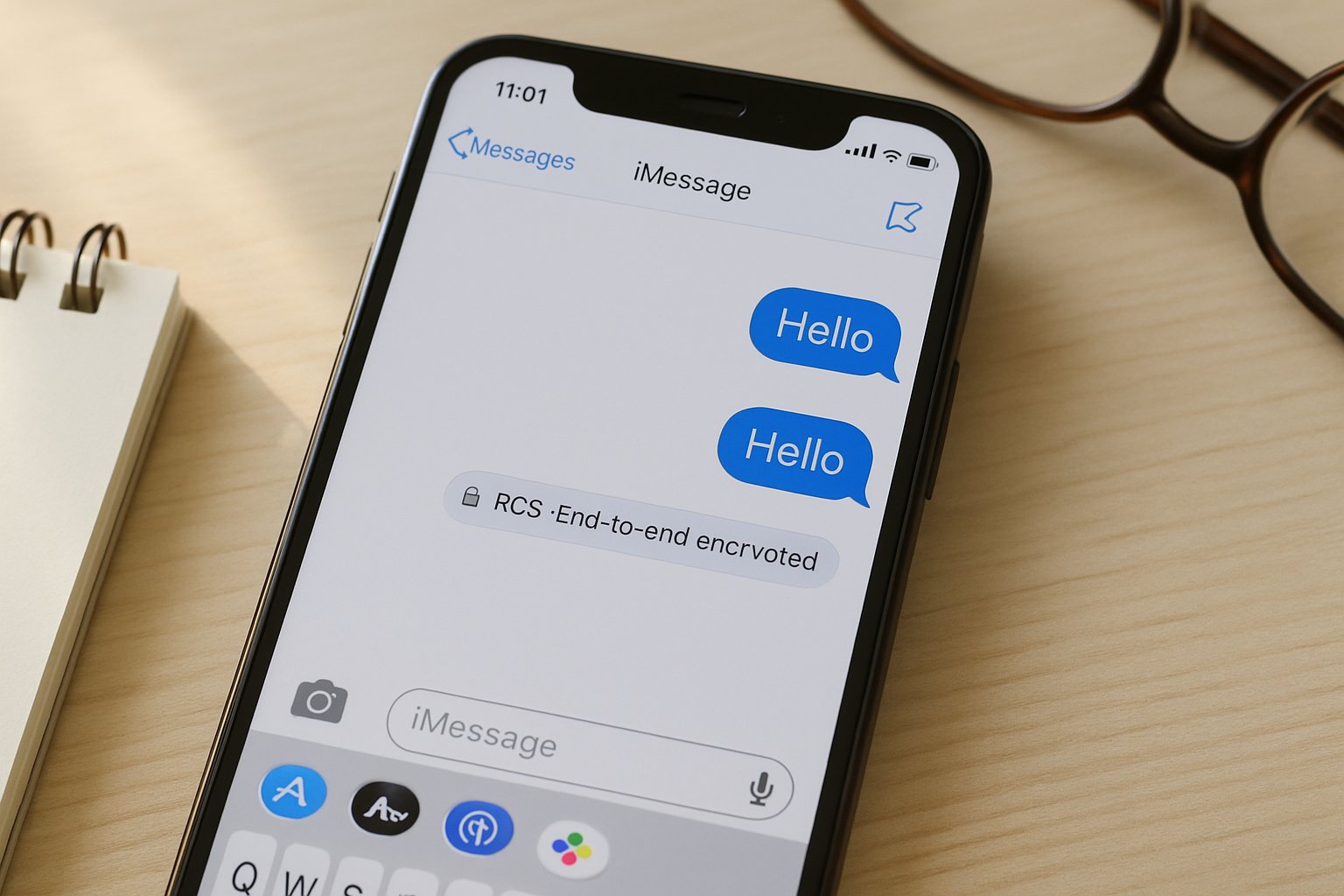
The company also started limited RCS encryption tests inside the Messages framework. However, the trial works only between iPhones that disable iMessage, so cross-platform benefit remains theoretical. RCS Universal Profile 3.0 mandates this encryption approach, yet carriers still decide rollout timelines.
RCS Security Rollout Roadmap
Phase one confines testing to Apple devices for telemetry and performance measurement. Subsequently, the vendor will expand gates to selected carriers before activating Android interoperability. Therefore, administrators should monitor carrier announcements to forecast when mixed fleets gain RCS encryption.
These privacy features strengthen Beta Security posture across the ecosystem. Meanwhile, delayed Siri updates introduce separate concerns explored next.
Siri Upgrade Delay Issues
Bloomberg and The Verge report repeated setbacks for the Gemini-powered Siri revamp. Additionally, internal testing uncovered latency spikes and hallucination errors that jeopardized user trust. Consequently, the company redistributed the feature set across iOS 26.5 and iOS 27. The shift mirrors the firm's historic preference for iterative releases when quality flags emerge.
Although disappointing, the delay shelters current security objectives from unforeseen AI regressions. Moreover, developers now gain extra cycles to modernize intents, privacy disclosures, and voice shortcuts. In contrast, competitors such as Google continue rapid conversational AI launches, pressuring the timetable.
Mark Gurman expects public Siri previews to surface in 26.5 around May, ahead of WWDC. Subsequently, full voice generation, proactive suggestions, and Perplexity-style search may ship with iOS 27. Therefore, stakeholders should plan phased feature flags and allocate budget for at least two interim updates.
Developer Beta Installation Steps
Teams enrolled in the Apple Developer Program can fetch the configuration profile or use Xcode. Nevertheless, production devices should avoid early bits; install on test hardware running alternate IDs. After installation, validate Beta Security settings, message security toggles, and automation scripts within controlled sandboxes.
These steps reduce surprise bugs and prove compliance readiness. Consequently, organizations remain agile when the vendor pushes later updates. The discussion now turns to financial stakes.
Broader Business Impact Forecast
Apple’s fiscal Q1 2026 highlighted $143.76 billion revenue and a 2.5 billion device footprint. Moreover, iPhone revenue hit a record $85.27 billion, amplifying scrutiny on every software change. Investors therefore watch iOS 26.4 adoption curves as a proxy for ecosystem health. Delayed AI launches may stall upgrade demand if perceived value fades against Android alternatives.
However, practical wins like Playlist Playground and strengthened Beta Security can sustain engagement until Siri matures. Enterprises running regulated workloads will welcome default protections that lower compliance audit exposure. Additionally, upcoming RCS encryption could defuse long-standing messaging parity complaints from mixed-device teams.
Professionals can deepen skills through the AI Security Level 1™ certification. Consequently, certified staff can audit Beta Security changes faster and document risk mitigation procedures.
Stronger security defaults and measured AI rollout protect the brand and enterprise trust. Meanwhile, financial momentum hinges on successful feature stabilization and timely updates. The final section distills operational priorities.
Essential Security Action Points
First, install the beta only on non-critical devices to isolate potential regressions. Second, enable MDM policies that require biometric re-auth to harmonize with Stolen Device Protection. Third, monitor carrier security release notes and statements weekly. Fourth, document Beta Security deviations and share them with the Feedback Assistant portal.
Finally, keep Siri integrations behind compile flags until stability returns. Such disciplined practices sustain uptime, satisfy auditors, and prepare teams for rapid updates. These guidelines condense extensive research into actionable checkpoints. Subsequently, leaders can navigate the new release with confidence. We now close with strategic reflections.
iOS 26.4 delivers tangible user perks, firmer privacy defaults, and promising cross-platform privacy groundwork. However, the headline Siri makeover remains on hold, reflecting Apple’s cautious, quality-first posture. Consequently, organizations gain breathing room to audit Beta Security impact before the broader AI wave arrives. Moreover, default Stolen Device Protection reduces theft fallout, while encryption inches toward Android parity. Nevertheless, stakeholders should maintain test fleets and monitor carrier adoption checkpoints weekly.
Professionals seeking deeper insights can pursue the AI Security Level 1™ credential for structured guidance. Subsequently, certified teams will craft faster mitigation plans and document compliance wins. Stay informed, keep testing, and position your organization for coming platform updates.


