

AI CERTs
3 months ago
Ring Search Party Fuels AI Surveillance Debate
Lost dogs trigger community anxiety and frantic door knocking. Ring believes artificial intelligence can shrink that stressful window. Its new Search Party feature links outdoor cameras into a cooperative grid. The system scans stored clips, compares frames with a posted pet photo, then alerts possible matches. Industry observers label the approach yet another example of AI Surveillance applied to everyday life. However, the same observers raise familiar questions about Privacy, data retention, and law enforcement access. Consequently, professionals monitoring smart home trends must weigh both opportunity and risk. This article dissects Search Party’s rollout, mechanics, benefits, criticisms, and business implications. Moreover, it maps next steps for leaders considering camera-enabled community services. Meanwhile, each section concludes with concise takeaways for rapid reference. Let us begin by tracing the feature’s swift public debut.
Feature Rollout Timeline History
Ring unveiled Search Party in late 2025 after months of limited beta trials. Initially, only Ring camera owners inside the United States could initiate searches. However, February 2026 brought a pivotal expansion announced during a Super Bowl advertisement. The company opened participation to anyone using the free Neighbors app, regardless of hardware ownership. Consequently, Search Party shifted from a device perk toward a nationwide crowdsourcing platform. Ring reports that the system now reunites more than one dog every day. Moreover, the firm pledged $1 million to equip 4,000 animal shelters with supporting video units. Jamie Siminoff framed the move as empowering communities to protect Pets at unprecedented scale. These milestones illustrate accelerated adoption driven by aggressive marketing and generous subsidies. In contrast, the timeline also underscores how rapidly AI Surveillance features can spread once network effects appear.
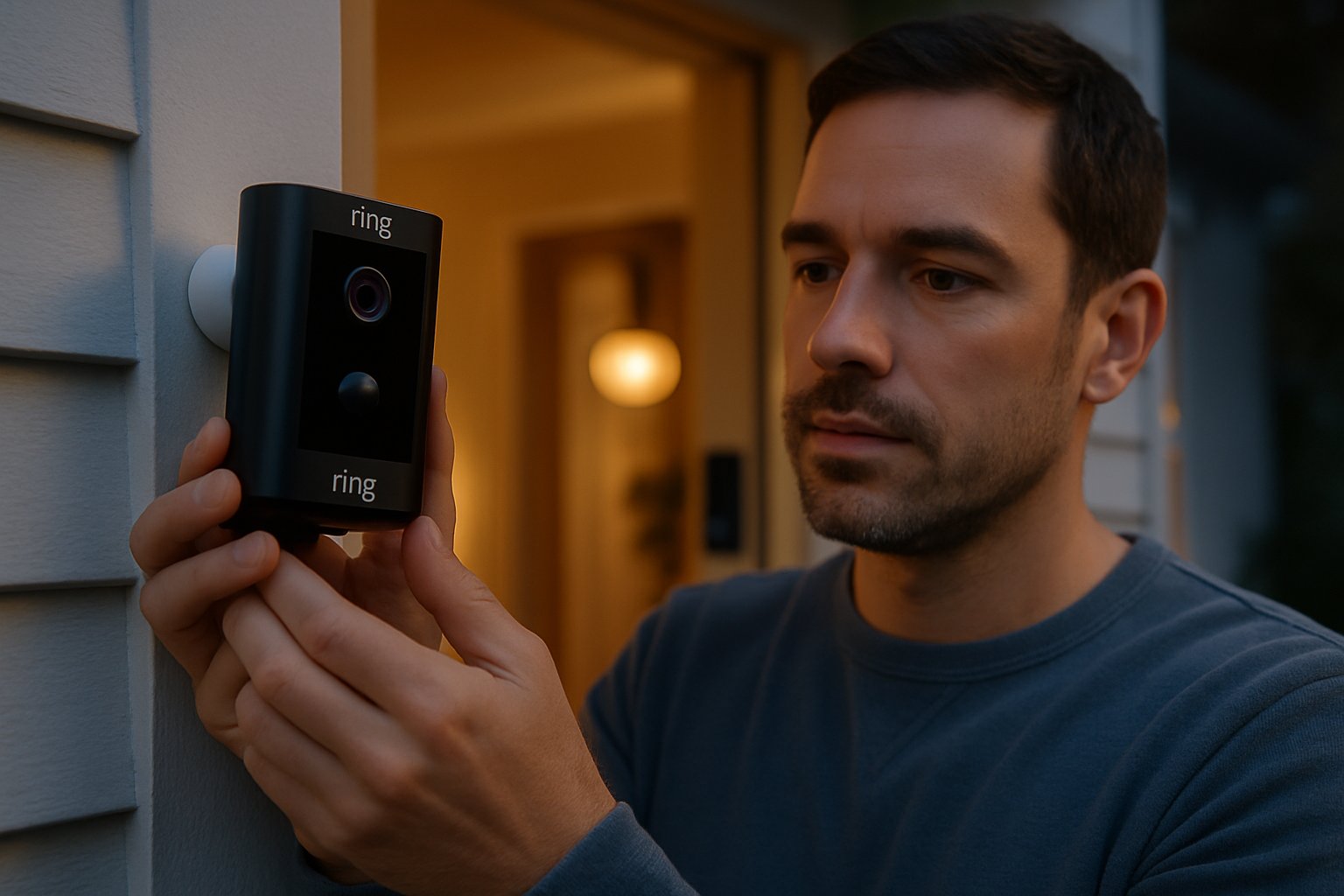
The rollout shows speed and ambition. Yet deeper analysis of operations now becomes essential; therefore, the next section explains technical flow.
How Search Party Works
Search Party starts when an owner posts a missing dog profile inside Ring or Neighbors. Subsequently, participating outdoor Cameras upload stored clips for cloud comparison against the pet reference image. Ring’s computer vision ranks frames, then pushes potential matches to the corresponding camera owner. Importantly, owners decide whether to share each clip, preserving a modicum of Privacy control. Meanwhile, the algorithm never forms a continuous live feed; it only sifts retained videos, which can span 180 days. Saved video history requires a paid Protect subscription, thereby linking service reach to revenue. Critics argue that such dependencies convert helpful solidarity into recurring income cloaked as altruism. Nevertheless, users can disable Search Party per device through the Control Center dashboard. Some engineers view the clip matching as lightweight AI Surveillance without facial recognition complexity.
Operationally, the process relies on voluntary data sharing and post analysis. Consequently, the benefits materialize only when sufficient Cameras and Neighbors opt in.
Benefits For Lost Dogs
Ring highlights heartwarming reunions to emphasize tangible community value. Moreover, the company cites more than one reunion per day since launch. Shelter partners expect faster owner identification, reducing overcrowding and euthanasia risk for Pets. Supporters argue this humanitarian AI Surveillance inspires goodwill rather than fear.
- Average reunion time: 15 minutes, according to Ring reports.
- More than one dog reunited daily since late 2025.
- $1M pledged for 4,000 shelters, adding 8,000 potential Cameras.
- Over one million lost Pets posts logged in Neighbors last year.
Furthermore, the $1 million shelter program integrates additional Cameras, expanding geographic coverage without extra consumer spending. Therefore, the network effect grows as each success story encourages fresh enrollments.
Overall, Search Party demonstrates measurable animal welfare gains. However, community growth also intensifies surveillance footprints, leading us to participation dynamics next.
Growing Community Participation Numbers
Super Bowl exposure delivered millions of impressions and corresponding Neighbors downloads. Consequently, many non-device users now contribute search requests and confirmations. Ring reports over one million lost or found pet posts within a single year. Additionally, shelter camera deployments promise professional monitoring that complements residential Cameras. In contrast, opt-in rates for existing device owners remain undisclosed, clouding adoption metrics. Analysts warn that default participation could inflate counts while eroding meaningful consent. Nevertheless, the simplified onboarding flow keeps growth momentum high. The viral campaign normalized AI Surveillance among casual app users.
Participation appears strong yet partially opaque. Therefore, our focus turns to Privacy and broader societal implications.
Privacy And Civil Liberties
Search Party operates inside a company already scrutinized for police partnerships and biometric tools. EFF calls the rollout another slippery slope toward pervasive AI Surveillance of public spaces. Moreover, Ring offers no independent accuracy metrics, leaving false positive risk unmeasured. False alerts could waste time or prompt unnecessary approaches to unsuspecting Neighbors. Meanwhile, default activation forces camera owners to opt out rather than choose explicit consent. Critics also question whether law enforcement may subpoena Search Party metadata to track people, not Pets. Ring states sharing remains voluntary, yet prior cooperation records fuel skepticism.
The privacy debate remains unresolved. Consequently, technical limits and unknowns warrant close examination next.
Technical Limits And Unknowns
Search Party covers only outdoor devices with paid video retention enabled. Indoor units never participate, reducing household scope. Nevertheless, weakness emerges when cameras miss crucial angles or suffer poor lighting. Ring also withholds computer vision precision, recall, and bias audit figures. Therefore, professionals lack evidence to judge real-world reliability across diverse dog breeds. Data retention policies pose privacy challenges for compliance teams. In contrast, governmental guidelines increasingly demand transparent AI life-cycle documentation. Consequently, enterprises adopting similar models should prepare rigorous disclosure frameworks. Without benchmarks, AI Surveillance systems invite doubt and regulatory attention.
Search Party’s undocumented metrics hinder trust. However, business opportunities still entice stakeholders toward responsible deployment pathways.
Business And Certification Pathways
Smart-home ecosystems generate subscription revenue, device sales, and valuable video datasets. Moreover, Pets related services strengthen customer loyalty and cross sell potential. Consequently, leaders overseeing AI Surveillance projects need rigorous governance skills. Professionals may deepen oversight skills through the AI Project Manager certification. Additionally, upcoming privacy engineering courses prepare teams for compliance-driven design. Subsequently, firms that publish model accuracy and retention policies can differentiate themselves. Ring faces mounting competitive pressure from rivals marketing cheaper Cameras with localized processing promises. Nevertheless, transparent governance could convert scrutiny into lasting market trust.
Business value hinges on trustful deployment. Therefore, concluding insights now synthesize the analysis.
Search Party showcases community ingenuity powered by algorithmic vigilance. Nevertheless, its promise sits atop expanding AI Surveillance infrastructure. Consequently, leaders must demand clear accuracy data, retention limits, and Privacy safeguards. Moreover, transparent policies can transform AI Surveillance from liability to competitive edge. Professionals should pursue governance credentials and evaluate camera deployments with ethical scorecards. Finally, readers can explore the linked certification. They should also share insights within local networks. Subsequently, ongoing audits will determine whether the benefits outweigh surveillance trade-offs. Meanwhile, policymakers continue drafting guardrails to balance innovation and civil liberties.
Disclaimer: Some content may be AI-generated or assisted and is provided ‘as is’ for informational purposes only, without warranties of accuracy or completeness, and does not imply endorsement or affiliation.


