

AI CERTs
4 months ago
OpenAI’s New Ad Plan: Monetization Strategy Behind ChatGPT Shift
OpenAI just ended the ad-free era for ChatGPT. Consequently, investors are debating how the move reshapes Monetization prospects. For years, revenue relied on subscriptions and developer usage. However, soaring compute costs demanded broader income streams. Meanwhile, 800 million users still prefer the free tier. Therefore, ads promise scale without paywalls. This article dissects OpenAI’s updated Business Model, revenue numbers, and strategic risks. Moreover, it explains how certifications like the AI Security Level-1 can future-proof careers. By the end, you will grasp the full Monetization roadmap. Industry watchers compare the shift to Google’s 2000 AdWords launch. Importantly, the company states ads will fund free research access.
ChatGPT Ad Shift Explained
January 16, 2026 marked the pivot. OpenAI announced contextual ads for free and Go users. Additionally, Plus, Pro, and Enterprise remain ad-free to protect premium value. Fidji Simo stressed answer independence and strict privacy limits. Consequently, ads appear in separate sponsored boxes under the chatbot’s reply. Users may dismiss ads and disable personalization with one click. In contrast, sensitive topics and minors will never receive promotions. Analysts call the format "high-intent inventory" because questions signal purchase intent. Therefore, early CPMs could eclipse standard display rates. This controlled rollout sets the tone for scalable Monetization. Wired reporters noted that ad boxes vanish once a user scrolls past the answer. Such design choices aim to minimize cognitive load and preserve conversation flow.
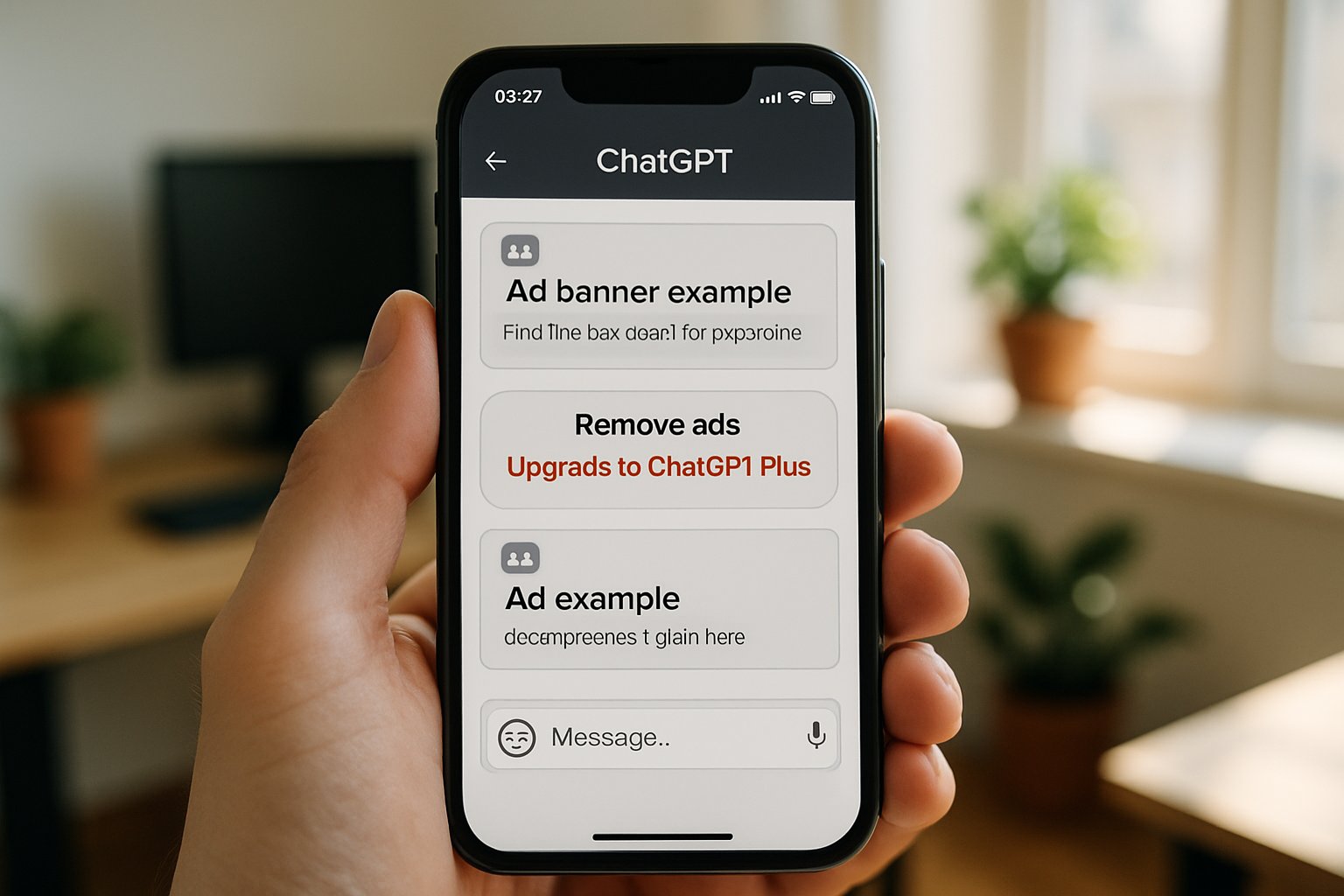
The ad test balances reach with brand safety. However, revenue diversity requires more than one channel, leading to broader streams ahead.
Key Revenue Streams Today
OpenAI already commands several revenue pillars beyond ads. Moreover, CFO Sarah Friar disclosed $20B annualized run rate for 2025. The figure tripled year over year, underscoring urgent Monetization needs.
- Subscriptions deliver recurring fees from millions of individual users.
- Enterprise seats generate high ARPU from 3 million corporate accounts.
- API usage bills developers per token, driving predictable scaling revenue.
- New ad placements will soon complement these mature channels.
- Licensing and commerce integrations remain experimental but promising.
Consequently, OpenAI mixes stable and variable cash flows. This diversified Business Model cushions macro swings. Nevertheless, subscriptions still shoulder most infrastructure costs. Evercore estimates consumer subscriptions alone exceeded $3B in 2025. In contrast, API usage contributed similar volume but with higher volatility.
These numbers show a solid foundation. Subsequently, we examine how subscriptions evolve to sustain Monetization momentum.
Evolving Subscription Tier Strategy
Subscriptions remain the largest direct revenue bucket. However, price sensitivity limits growth at the $20 Plus level. Go introduces an $8 plan subsidized by ads. Meanwhile, Pro offers 32K context windows and API credits for $200 monthly. Consequently, each tier targets distinct willingness to pay. Analysts expect tier mixing to raise average revenue per user. Monetization success hinges on upselling heavy users while protecting free access. In contrast, Netflix style price hikes could backfire inside conversational tools. Therefore, OpenAI links affordability to responsible ad funding. Altman claims Plus members receive new model access weeks before public release. Such perks create emotional switching costs that stabilize churn.
Tier design widens the funnel without diluting brand equity. Furthermore, it sets the stage for enterprise upsell opportunities next.
Major Enterprise Growth Drivers
Corporate demand for private, compliant AI already explodes. Moreover, ChatGPT Enterprise promises SOC2 compliance and SSO controls. Education editions offer per-student pricing for universities. Microsoft partnership amplifies reach through Azure reseller bundles. Consequently, 3 million business seats were reported by mid-2025. High contract values lift margins despite compute costs. Monetization here differs because contracts often span multi-year commitments. Business Model alignment matters; enterprises want predictable budgets and governance. Nevertheless, revenue share agreements with Microsoft can pressure net income. Dedicated support teams also bundle onboarding workshops for Fortune 500 customers. Furthermore, custom data residency options satisfy regional compliance demands.
Enterprise traction underwrites long-term stability and data partnerships. Subsequently, advertising could unlock similar scale on the consumer flank.
Huge Advertising Potential Projections
Evercore ISI projects up to $25B yearly ad revenue by 2030. Additionally, analysts predict faster growth than early Facebook display expansion. High-intent queries may deliver conversion rates surpassing Google search. Therefore, advertisers are eager to test sponsored recommendations. OpenAI vows not to sell conversations, easing privacy concerns. Nevertheless, regulators will validate compliance claims. Beta campaigns with ecommerce brands reportedly delivered double-digit clickthrough rates. Subsequently, advertisers requested self-serve dashboards and programmatic APIs. If inventory prices hit premium CPMs, Monetization could outpace subscription income. In contrast, poor relevance would depress bids and brand interest. Marketers also question measurement inside closed conversations. Advertisers anticipate unprecedented intent signals unavailable on traditional social feeds.
Projected demand suggests a lucrative Monetization frontier. Consequently, potential rewards intensify scrutiny of operational risks discussed next.
Key Risks And Scrutiny
Critics fear ads may erode trust in factual answers. Moreover, "enshittification" debates cite social platform precedent. Privacy advocates ask which signals feed targeting algorithms. In contrast, OpenAI insists answer generation stays isolated from ad ranking. Regulators could examine competitive impact on publishers and existing ad duopolies. Additionally, Microsoft revenue share may compress gross margins. Monetization without healthy margins offers little strategic advantage. Therefore, transparent reporting and opt-outs become existential safeguards. Business Model resilience depends on sustaining user trust alongside profit goals. Compute costs also rise when ads increase average session length. Moreover, longer chats may amplify hallucination risk, complicating content moderation duties.
These risks underline the fragile social license. Nevertheless, proactive governance could convert challenges into differentiators.
OpenAI Strategic Outlook Ahead
OpenAI frames ads, subscriptions, and APIs as complementary gears. Furthermore, the company aims to lower entry barriers through subsidized tiers. Sarah Friar positions compute availability as the ultimate growth throttle. Consequently, diversified Monetization mitigates single-channel vulnerability. Career professionals can enhance relevance with the AI Security Level-1 certification. In contrast, competitors like Google and Meta will likely accelerate AI ad rollouts. Therefore, early adopters may capture first-mover brand budgets. Evercore warns competitors could copy ad formats within months. Nevertheless, OpenAI holds a data scale advantage today.
A balanced Business Model ensures agility amid market flux. Subsequently, leaders should monitor performance metrics and policy shifts continuously.
OpenAI’s ad launch signals a new chapter for conversational AI economics. Moreover, complementary subscriptions, enterprise deals, and APIs create a resilient revenue mosaic. Trust, privacy, and performance remain decisive success criteria. Consequently, transparent safeguards will shape user acceptance and advertiser budgets alike. Meanwhile, regulators prepare guidance on conversational ad disclosures. Keeping pace with emerging standards will separate leaders from laggards. Consequently, continuing education becomes essential for marketers steering AI revenue experiments. Therefore, now is the moment to upskill with security and governance credentials. Explore the linked certification to stay ahead in the AI revenue revolution.
Disclaimer: Some content may be AI-generated or assisted and is provided ‘as is’ for informational purposes only, without warranties of accuracy or completeness, and does not imply endorsement or affiliation.


