

AI CERTs
3 months ago
Deepfake Election Pilots Secure Scottish and Welsh Votes
Scottish and Welsh voters head to the polls on 7 May 2026. The UK is running the first Deepfake Election Pilots to defend those contests. Consequently, regulators, technologists, and security teams are racing to spot synthetic threats before they spread.
Public concern is high. Moreover, Alan Turing Institute surveys show 90% of adults worry about AI fakery. Candidate abuse statistics from 2024 underline the stakes for democracy.
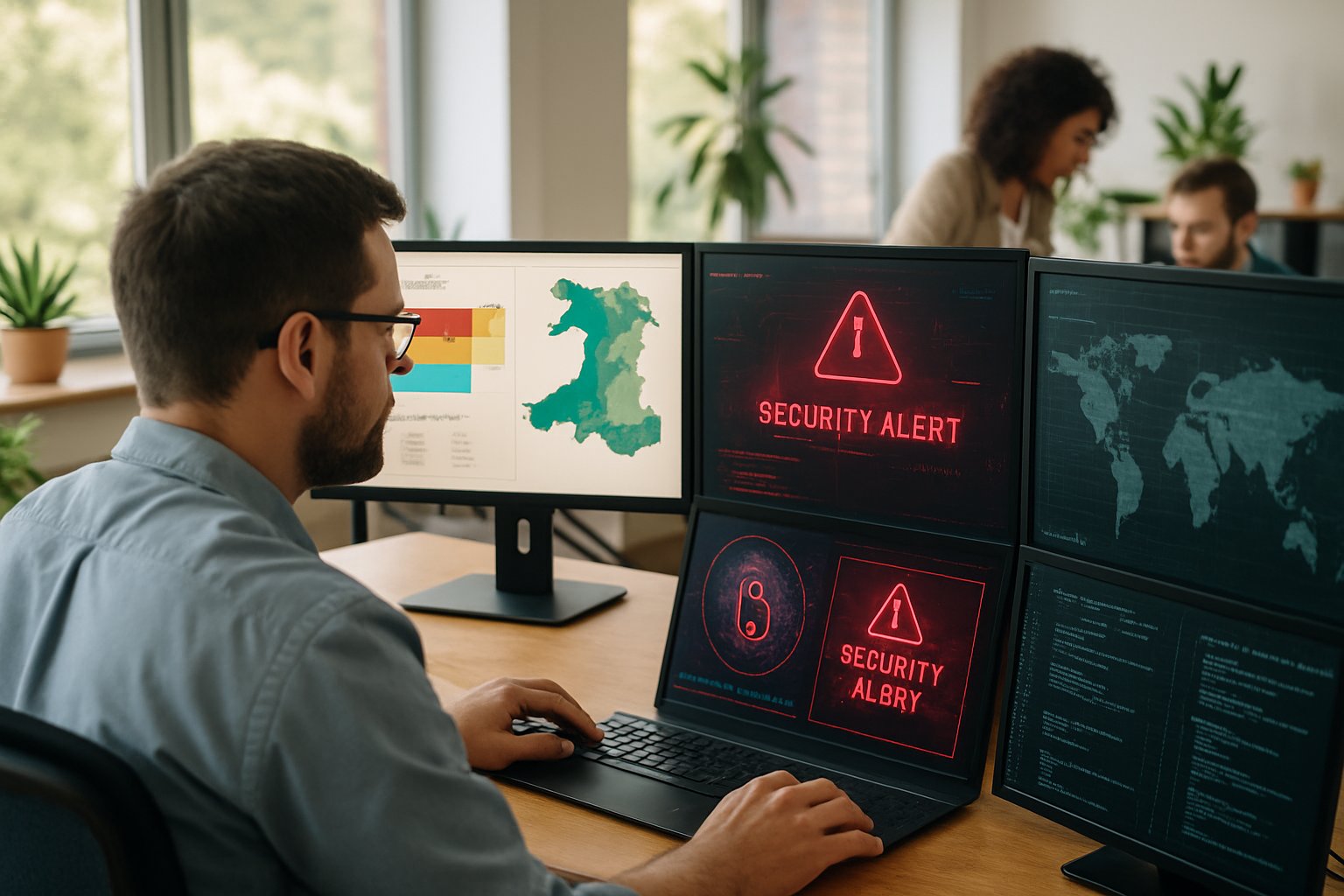
In this article, we examine the pilots’ timeline, technology, workflow, legal context, and expected impact. Furthermore, we highlight key metrics and professional certifications that can strengthen Civic Tech Security efforts.
Pilot Timeline Overview Details
Planning for the Deepfake Election Pilots accelerated after the Guardian report on 8 January 2026. Subsequently, the Electoral Commission partnered with the Home Office and Accelerated Capability Environment to secure funding. Testing builds on the 2024–2025 Deepfake Detection Challenge, where six teams advanced to prototype trials. Meanwhile, devolved election managers have set internal deadlines to integrate the tools before late March campaign launches.
- July 2024: Challenge showcase selects six detection prototypes.
- January 2026: Guardian reveals imminent election deployment plan.
- March 2026: Pilot systems enter live monitoring across major platforms.
- May 2026: Results feed into post-election security review.
These Deepfake Election Pilots milestones show rapid coordination across agencies. However, compressed schedules may strain testing rigour. Next, we explore the underlying detection technology stack.
Detection Technology Stack Explained
The Deepfake Election Pilots combine classifier models, metadata checks, and provenance watermarks for Synthetic Content Authentication. Therefore, multimodal analysis can flag mismatches between pixels, audio, and claimed timestamps.
Frazer-Nash, IBM, and Oxford Wave contribute classifiers to the Deepfake Election Pilots, while Open Origins delivers watermark verification tools. In contrast, Safe & Sound researchers focus on speaker voiceprints for additional resilience.
Consequently, early benchmarks report detection accuracy above 87% on curated datasets. Yet field performance depends on real-world noise, compression, and adversarial adaptation.
Key Metrics To Watch
- False positive rate below 5% target.
- Median detection latency under 10 minutes.
- Cross-platform ingestion covering video, image, and audio posts.
- Secure evidence handover to police within 30 minutes.
Robust Synthetic Content Authentication pipelines require cryptographic keys managed by neutral oversight bodies.
Clear metrics will decide practical value. Moreover, accuracy must persist outside laboratory settings. We now examine the workflow that turns alerts into action.
Workflow And Escalation Path
Once a frame scores above threshold, the Deepfake Election Pilots endpoint sends an automated alert to the pilot hub. Subsequently, analysts verify hits through a rapid human-in-the-loop review panel.
If validation stands, officials notify police Single Points of Contact and the targeted candidate within minutes. Platforms simultaneously receive voluntary takedown requests citing the electoral harm criteria.
Moreover, forensic packages archive original files, hashes, and metadata for potential prosecution. Consequently, evidence can withstand defence challenges regarding source authenticity.
The workflow seeks speed without sacrificing due process. Nevertheless, voluntary platform compliance remains uncertain. Legal frameworks determine whether requests become obligations.
Legal And Policy Gaps
Current UK law offers limited mandatory takedown powers for Deepfake Election Pilots findings. Therefore, the Electoral Commission is lobbying for explicit statutory authority before the 2026 polls.
Ofcom’s Online Safety Act remit could extend to deepfakes, yet implementation timelines remain unclear. In contrast, the EU Digital Services Act already compels data sharing with researchers.
Full Fact warns that legal uncertainty allows harmful content to circulate during critical campaign hours. Consequently, lawmakers face pressure to codify faster remedies.
Regulatory gaps threaten pilot effectiveness. However, consensus is building for swift reform. Those reforms would magnify benefits for candidate safety.
Benefits For Candidate Safety
Abusive deepfakes disproportionately target women and minority politicians. Additionally, 70% of 2024 candidates reported some form of harassment during the general election.
The Deepfake Election Pilots promise faster detection, reducing exposure windows from days to minutes. Consequently, false narratives will find less time to entrench.
Synthetic Content Authentication guards candidate reputations by providing defensible evidence that media is manipulated. Moreover, public alerts encourage voter vigilance, increasing trust in legitimate sources.
Civic Tech Security teams can integrate pilot data dashboards into existing threat intelligence workflows. Subsequently, local campaign staff gain real-time situational awareness.
Candidate-centric benefits strengthen democratic participation. Yet continued metrics tracking remains vital. The final section outlines strategic next steps.
Strategic Recommendations Moving Ahead
First, publish weekly accuracy dashboards to maintain public confidence. Additionally, mandate cross-platform data access through emergency election provisions.
Second, align Deepfake Election Pilots outputs with broader Civic Tech Security frameworks adopted by local authorities. Consequently, insights can scale to future UK-wide contests.
Third, integrate Synthetic Content Authentication labels directly into campaign material to deter malicious actors. Moreover, transparency nudges voters toward critical engagement.
Professionals can enhance their expertise with the AI Security Level 1 certification. Therefore, teams gain validated skills for operating and auditing Deepfake Election Pilots environments.
Focused recommendations transform pilot lessons into lasting safeguards. Nevertheless, execution discipline will determine success. We conclude with final reflections for stakeholders.
Conclusion And Next Actions
Deepfake Election Pilots demonstrate proactive defence for the 2026 Scottish and Welsh votes. Furthermore, Synthetic Content Authentication and Civic Tech Security practices reinforce the strategy.
Operational data, legal clarity, and public transparency must converge to realise full impact. Consequently, stakeholders should monitor metrics, support statutory reform, and invest in certified talent.
Act now by reviewing the pilot dashboards and enrolling in the AI Security Level 1 program. Together, we can safeguard democratic discourse against synthetic manipulation.


