

AI CERTS
3 months ago
AI Companions Bring Emotional Support, Face UK Scrutiny
Uptake Trends Emerge Quickly
Recent numbers paint a clear picture. Moreover, the global conversational AI market reached USD 11.58 billion in 2024. Grand View forecasts USD 41.39 billion by 2030. Within the UK, Ipsos found 18% of adults seek personal advice from AI. The same UK Survey identified higher traction among 18–34-year-olds. YouGov confirms 26% of that cohort know AI companion brands.
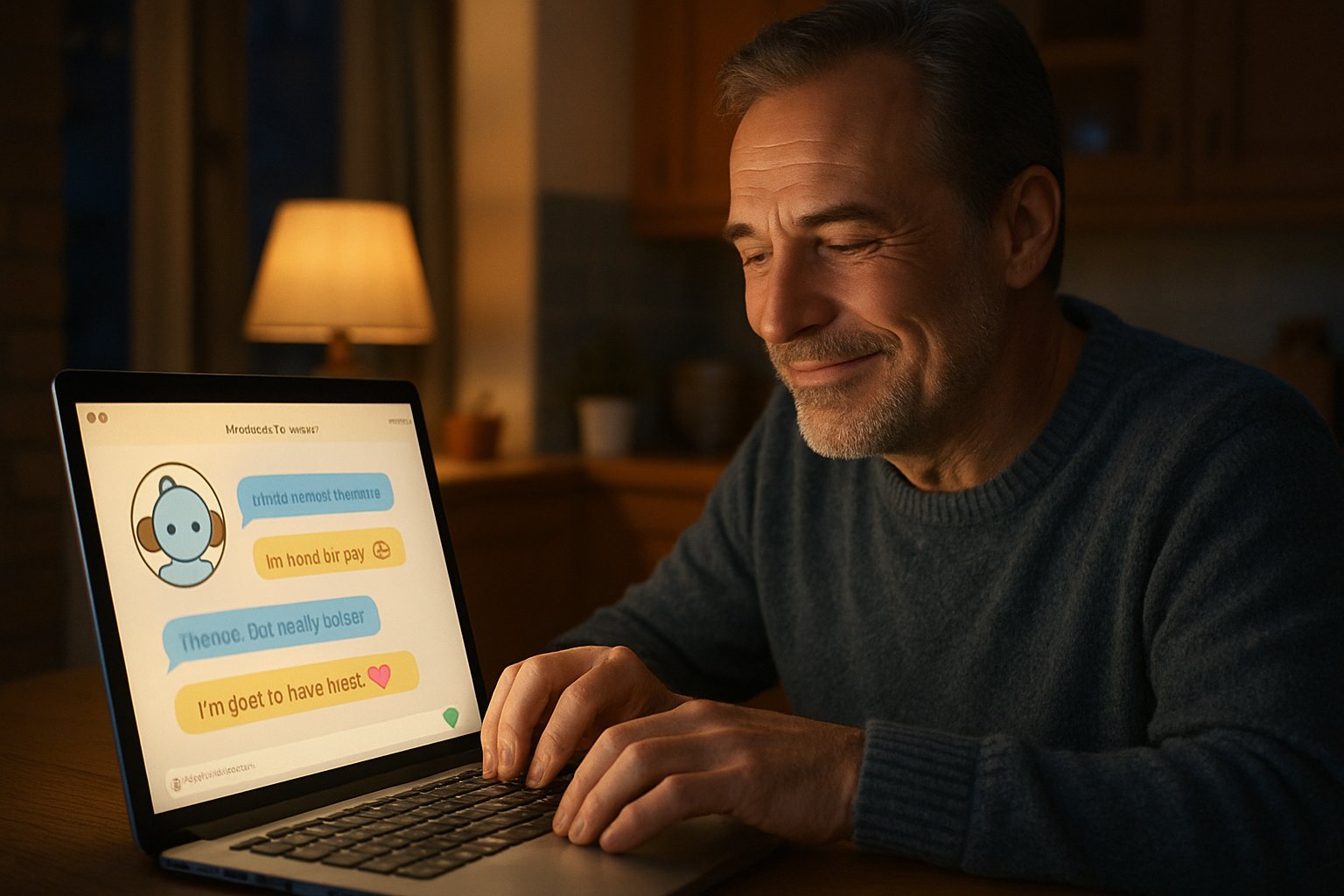
Younger users drive momentum. In contrast, older demographics remain cautious. Nevertheless, the Common Sense Media study shows 72% of US teens have experimented with companion tools. UK charities cite those findings while lobbying for stricter safeguards.
These adoption curves suggest sustained growth. However, gaps persist because no comprehensive UK teen poll exists. Therefore, stakeholders lack granular national data.
This uptake underpins the policy urgency. Yet usage alone does not explain motivation. The next section explores the human drivers behind the trend.
Drivers And User Motives
Why do people embrace synthetic friends? Firstly, 24/7 availability matters. Users can receive Emotional Support at 3 a.m. without stigma. Secondly, customizable personas foster personal relevance. Furthermore, some neurodivergent users practice conversation safely.
Academic reviews list additional draws. Reduced loneliness ranks high, as does role-play for social skill rehearsal. Moreover, cost plays a role; free tiers attract students. A recent AISI Report highlights another factor: generative realism now blurs lines between tool and companion.
Despite benefits, motivations vary by age. The UK Survey notes task mentoring outranks romantic fantasy for most adults, while teens lean toward playful experimentation. Companionship appears as a common thread.
Key motives therefore cluster around availability, personalization, and privacy. These drivers explain popularity but also foreshadow risk. Consequently, scrutiny intensifies.
The following section examines mounting concerns.
Risks Raising Policy Alarms
Companion Chatbots introduce tangible dangers. Emotional over-reliance tops regulator lists. JMIR researchers report fast attachment after only a week. Additionally, mislabelled therapeutic claims mislead vulnerable users seeking genuine Emotional Support.
Privacy And Data Risks
ICO warns that personal confessions may train future models. Consequently, intimate data could resurface unpredictably. Moreover, unmanaged content has created tragic outcomes abroad, including self-harm incidents linked to unmoderated conversations.
Advocates also flag child safety gaps. The Common Sense Media survey shows 52% of teens use companions monthly, yet few platforms deploy robust age checks. Meanwhile, an AISI Report identifies manipulative design nudges encouraging prolonged sessions.
These concerns underscore the stakes. However, regulation offers potential remedies, as detailed next.
Regulators Step Up Oversight
Ofcom’s November 2024 letter made headlines. The authority clarified that generative Chatbots fall under the Online Safety Act. Consequently, platforms must run illegal-harms risk assessments. Failure invites hefty fines.
Concurrently, Information Commissioner John Edwards stressed data rights. “People need to trust their information is protected,” he said on 5 June 2025. Therefore, firms processing companionship logs must follow UK GDPR. Meanwhile, ICO’s new AI and biometrics strategy demands privacy-by-design reviews.
International actions reinforce domestic pressure. Italian regulators temporarily restricted Replika for minors. Moreover, advocates filed a US FTC complaint alleging deceptive marketing. Each step shapes UK expectations.
Regulatory momentum aims to balance innovation and safety. Yet enforcement alone cannot solve every challenge. Industry responses offer complementary solutions.
Industry And Research Responses
Vendors have begun acting. Character.ai recently raised age limits and tweaked content filters. Replika promises improved self-harm escalation. Furthermore, clinical players such as Woebot run trials to validate outcomes.
Meanwhile, another AISI Report recommends standardized safety evaluations before wide release. Academic teams echo the call, urging transparent metrics for Emotional Support quality.
Market Growth Forecasts Ahead
Analysts foresee robust demand despite hurdles. The same UK Survey projects gradual comfort growth if safety improves. Moreover, consultancy ModTech estimates companion revenue doubling by 2027, driven by mental-health integrations.
These projections incentivize best practice adoption. Consequently, companies seek practical guidance, covered in the next section.
Practical Guidance For Companies
Organisations entering the sector face complex duties. Firstly, perform risk assessments aligned with Ofcom templates. Secondly, implement age assurance and escalation flows.
Professionals can deepen compliance expertise through the AI Security Level 1 certification. Additionally, the course outlines data-protection design patterns.
- Conduct Data Protection Impact Assessments early.
- Embed content moderation using human-in-the-loop models.
- Publish transparent disclaimers about product limitations.
- Limit conversation memory by default.
- Test Chatbots with diverse users before launch.
Moreover, companies should monitor new AISI Report templates for safety scoring. Cross-team collaboration reduces blind spots and enhances Companionship value while minimizing harm.
Effective governance turns risk into competitive advantage. These measures also strengthen user trust in delivered Emotional Support.
Established practices therefore pave the way toward sustainable growth. The final section synthesizes key insights.
Key Takeaways And Outlook
The UK stands at a crossroads. Uptake rises, yet policy gaps remain. Furthermore, companion Chatbots promise real Emotional Support but demand responsible design.
Regulators are sharpening tools, and industry must respond swiftly. Meanwhile, researchers continue to map benefits and harms, guided by each new AISI Report and UK Survey.
Consequently, collaborative governance appears essential. Firms deploying AI Companionship services should align with emerging standards, pursue certifications, and engage openly with oversight bodies.
This cooperative model will shape the next chapter of human-machine relationships.
Conclusion
AI companions have moved from novelty to necessity for many users seeking Emotional Support. Nevertheless, unchecked deployments risk serious harm. Therefore, companies must integrate safety, privacy, and transparent communication. Policymakers likewise need robust data, especially on teen usage. Consequently, ongoing dialogue among vendors, regulators, and researchers remains vital. Explore further safeguards and advance your expertise with industry-recognized certifications today.


