

AI CERTS
2 hours ago
Youth Safety Bot Features Shape Maine AI Bill LD 2162
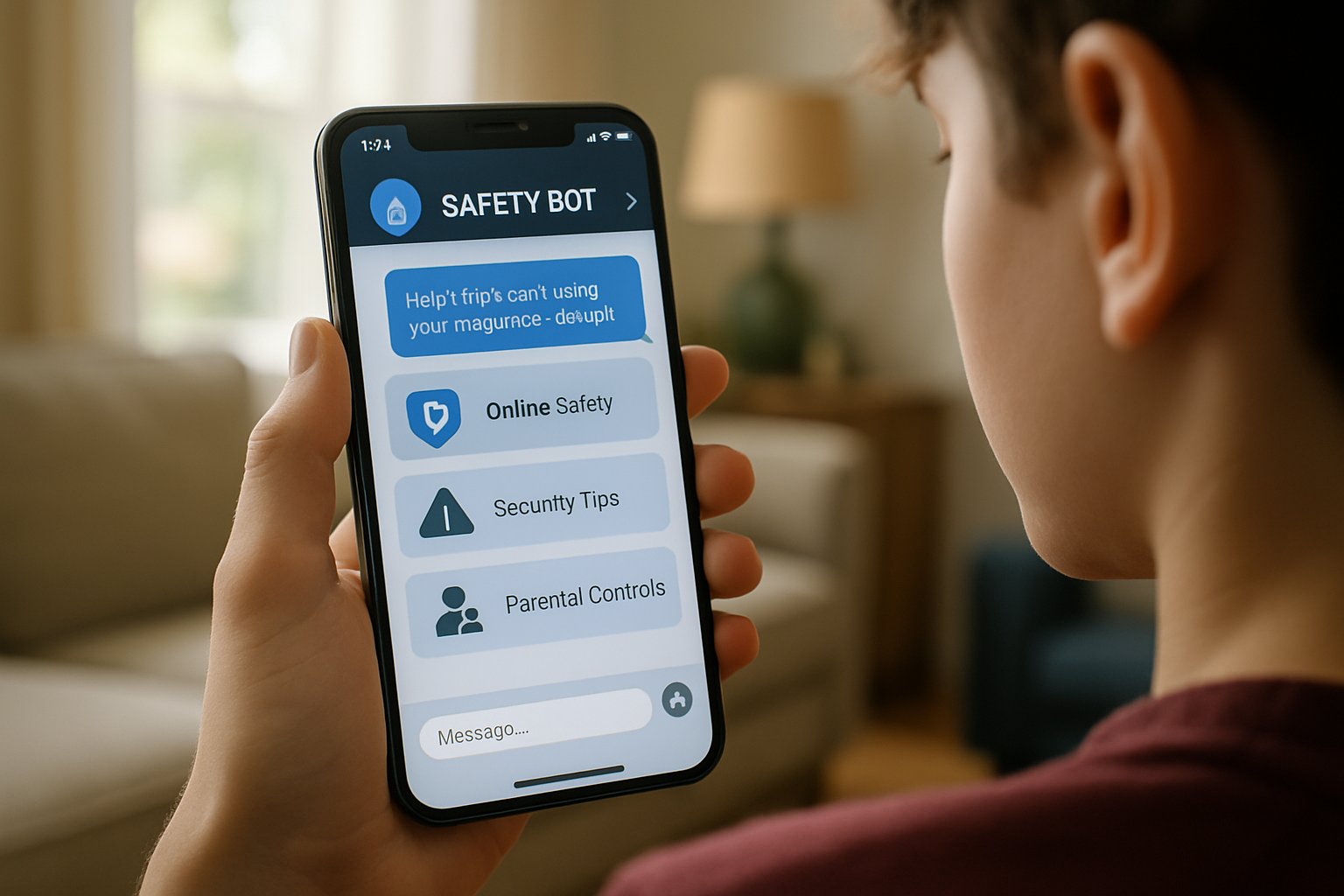
Throughout testimony, one phrase resonated: Youth Safety Bot Features.
These safeguards represent design, policy, and compliance duties rolled into code.
Consequently, developers, clinicians, and regulators must understand the proposal’s reach.
This article unpacks the legislative text, arguments, and next steps.
Moreover, it explains why Youth Safety Bot Features may redefine national standards.
Legislative Proposal Key Details
LD 2162 defines several critical terms that shape enforcement.
Artificial intelligence chatbot means any system simulating conversation through text, voice, or images.
A human-like feature includes expressed emotions, displayed sentience, or impersonated personalities.
Social AI companion targets ongoing emotional attachment with users.
Deployers must block minor access to such chatbots unless robust age checks confirm majority status.
Therefore, operators may offer stripped versions without human-like attributes for unverified visitors.
Data collection is limited to what age verification strictly requires.
Meanwhile, emergency self-harm detection systems must route urgent alerts to live support.
Penalties scale quickly.
The Attorney General can seek $2,500 per breach, tripling for intentional misconduct.
Additionally, a private right lets a minor sue for damages between $100 and $750 each incident.
The proposal combines age gates, data limits, and rapid response duties.
However, stakeholders contest whether these Youth Safety Bot Features are feasible at scale.
Consequently, the spotlight has shifted toward competing arguments.
Stakeholder Arguments In Focus
Testimony on February 17 showcased polarized perspectives.
Child-safety groups, led by Common Sense Media, praised strict guardrails.
They highlighted research showing 72% of teens using companion chatbots regularly.
In contrast, industry coalition CCIA labeled definitions vague and compliance unrealistic.
Supportive Child Safety Advocates
Rep. Lori Gramlich framed the bill as an urgent mental-health intervention.
She cited cases where human-like responses encouraged self-harm instead of escalating to professionals.
Consequently, she argued for mandatory Youth Safety Bot Features across all deployers.
Kyle Sepe from CCIA warned about chilling effects on small developers.
Moreover, Maine Policy Institute flagged privacy dangers posed by identity checks.
They stated that sweeping age verification could expose sensitive documents to hackers.
Supporters view the measure as lifesaving, while opponents fear overreach.
Nevertheless, both camps concede that some Youth Safety Bot Features improve transparency.
The broader national dialogue offers further context.
National Policy Context Overview
Maine is not acting alone.
Several states plus Congress have introduced parallel bills limiting AI companion access.
Furthermore, federal proposals spotlight Youth Safety Bot Features as a baseline requirement.
These initiatives reflect rising concern over minor vulnerability online.
California, Texas, and New Jersey consider similar prohibitions on emotional interactions.
Consequently, vendors must prepare for a mosaic of rules.
Cross-border compliance will hinge on the strictest jurisdiction, often driving nation-wide changes.
- Pew 2025 survey: 64% of teens have tried chatbots.
- Common Sense 2025: 52% of teens regularly use AI companions.
- Washington Post: platforms now age-gate romantic modes.
Combined data underline widespread youth engagement and emerging legal momentum.
Therefore, Maine may influence federal pacing through Youth Safety Bot Features adoption.
Technical details will decide that influence.
Technical Compliance Challenges Discussed
Engineers question how to verify age without storing invasive documents.
Biometric checks add accuracy yet raise privacy alarms.
Moreover, probabilistic facial analysis can misclassify minorities and people with disabilities.
LD 2162 leaves the specific technology unspecified.
Emergency response detection demands nuanced sentiment analysis within chatbots.
False positives flood support teams, yet false negatives endanger users.
Consequently, vendors need balanced thresholds and clinician input.
Developers also fear litigation because each misstep becomes a billable violation.
Nevertheless, training data transparency and robust logs can evidence compliance.
Such logs constitute core Youth Safety Bot Features for auditors.
Technical uncertainties may raise costs and slow deployment.
However, clear standards could streamline future human-like design decisions.
Therapeutic applications illustrate the dilemma.
Therapy Chatbot Exemption Explained
LD 2162 permits therapeutic chatbots for minors under strict safeguards.
A licensed mental-health professional must prescribe and monitor each session.
Additionally, developers must publish peer-reviewed trial data showing safety and efficacy.
The system must remind users continuously that it remains an AI, not a clinician.
Clinicians appreciate potential reach, especially in rural Maine where therapists are scarce.
In contrast, some psychologists fear overreliance on unproven algorithms.
Consequently, robust Youth Safety Bot Features like disclaimers and data caps become essential.
Professionals can deepen expertise through the
Explore the AI Policy Maker™ certification aligned with upcoming rules.
The carve-out balances innovation with clinician oversight.
Subsequently, its success may hinge on Youth Safety Bot Features rigor.
Lawmakers now eye final procedures.
Next Steps And Outlook
The bill remains in committee after the February hearing.
Sponsors plan amendments clarifying age verification scope and enforcement thresholds.
Consequently, stakeholders will submit revised testimony during the upcoming work session.
If the committee votes Ought to Pass, floor debates could follow in March.
Meanwhile, industry groups may push for preemption at the federal level.
Failure in Maine would still signal growing pressure for similar safeguards nationwide.
Legislative timing remains fluid, yet procedural deadlines loom.
Therefore, close monitoring will inform developer roadmaps.
All considerations converge as the session progresses.
Maine’s LD 2162 crystallizes a broader struggle between child safety and digital freedom.
Supporters emphasize emotional risks and the need for verified design standards.
Opponents warn about privacy exposure, innovation loss, and legal uncertainty.
However, momentum across jurisdictions suggests that some protective architecture is inevitable.
Practitioners can stay ahead by tracking rulemaking and hardening data practices.
Additionally, policymakers and engineers should collaborate on transparent, auditable algorithms.
Professionals can boost credibility by earning the AI Policy Maker™ certification.
Act now to prepare systems, documentation, and governance before new laws arrive.


