

AI CERTS
2 hours ago
X’s New Revenue Ban Targets Unlabeled AI War Content
Harvard research shows billions of views already accrued by deceptive media. Therefore, X chose to attack the profit motive rather than remove posts entirely. This article unpacks the policy details, enforcement mechanics, and industry implications for professional audiences. Furthermore, we examine technical limits, standard adoption gaps, and strategic responses for brands. Readers will leave with actionable guidance and relevant certification pathways.
Policy Shift Explained Briefly
Bier’s post positioned the change as a measured escalation rather than broad censorship. In contrast, earlier X policies focused on removing high-risk posts outright. The new Revenue Ban only suspends payouts, leaving speech technically intact. Consequently, the policy balances creator autonomy with audience protection. Observers frame this as focused Content Moderation rather than broad ideological policing. X will apply it exclusively to AI-generated War Imagery depicting active armed conflict.
Additionally, creators outside the monetization program remain unaffected financially. However, they can still amplify misleading clips, a loophole critics observe. Officials rely on three detection streams: technical fingerprints, community crowdsourcing, and manual review. Creators must add clear Labels via the post menu when uploading synthetic footage. Failure triggers the 90-day freeze, with repeat violations risking permanent program expulsion. Therefore, disclosure becomes the gateway to continued earnings. These facts outline X’s calibrated approach. Yet market reactions reveal deeper economic stakes, explored next.
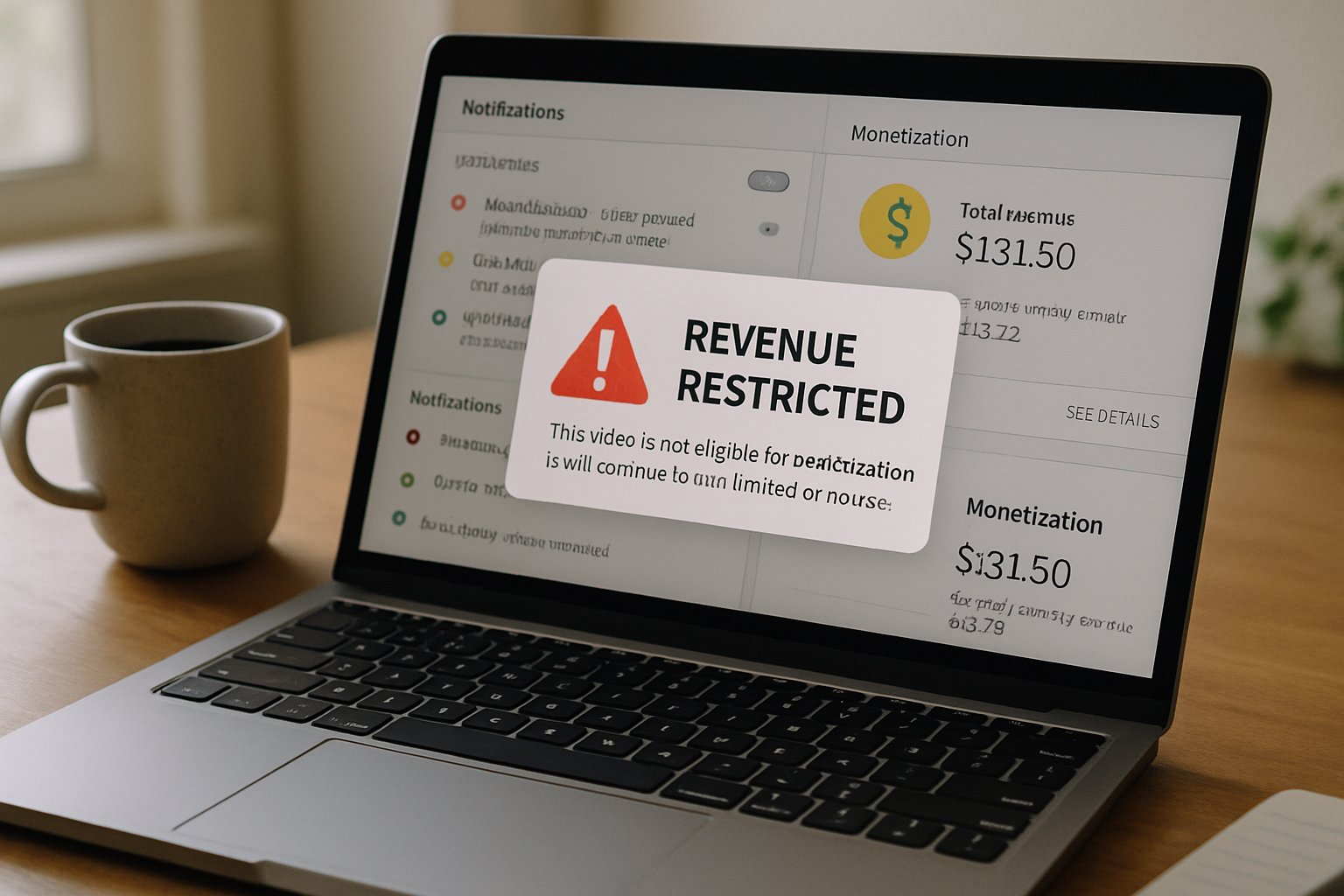
In summary, the Revenue Ban reframes speech debates around money, not removal. Consequently, the next section reviews who feels the immediate financial pinch.
Armed Conflict Scope Defined
Scope clarity remains essential for creators navigating volatile news cycles. Bier tied enforcement to videos portraying live-fire zones, missile strikes, or troop deployments. Historical documentaries escape scrutiny unless AI tools alter the footage. Meanwhile, protest coverage falls outside the rule unless weapons appear, leaving another grey area. Therefore, legal advisers urge monetized accounts to label any ambiguous War Imagery preemptively.
The Revenue Ban will still apply even when the poster simply retweets someone else’s clip. Consequently, diligence in adding Labels becomes a frontline defense. These nuances set the stage for discussing economic consequences. Creators face significant uncertainty about what qualifies. However, financial impact offers clearer numbers, explored in the following section.
Impact On Monetized Creators
Approximately 94,000 X accounts meet revenue program thresholds, according to recent help-page metrics. Consequently, tens of thousands could see income disrupted overnight. Average monthly payouts for high-reach commentators range from $2,000 to $8,000.
- Active Premium subscription required
- Five million impressions over three months
- Five hundred verified followers minimum
Therefore, a 90-day Revenue Ban can strip $6,000 to $24,000 from typical top earners. Moreover, creators lose algorithmic priority when monetization switches off, further shrinking reach. Some influencers diversify income through sponsorships, yet payouts remain a prized recurring stream. In contrast, smaller commentators rely almost exclusively on platform revenue sharing.
A first offense freezes two bi-weekly payout cycles, plus any accrued balance during suspension. Additionally, appeals can take weeks, risking cash-flow crunches. Financial analysts expect immediate behavior change among risk-averse creators. Yet some may gamble, believing detection odds remain low. These figures illustrate the tangible stakes. Consequently, understanding freeze mechanics becomes vital.
Overall, the Revenue Ban directly threatens livelihoods rather than voice. The next subsection dissects how the freeze actually functions.
Revenue Freeze Mechanics Detailed
Suspension runs automatically through X’s monetization backend once a violation registers. Payments already in process still reach the creator, according to help documentation. However, new earnings accumulate but remain inaccessible until the clock expires. Additionally, the Revenue Ban removes the blue payout badge beside profiles during suspension. Creators must wait the full 90 days before requesting reinstatement.
Subsequently, they must manually re-enable ads in the settings dashboard. Appeals flow through the standard ad-revenue support form, with no fast-track promised. These procedural layers compound uncertainty, pushing some toward proactive self-censorship.
Thus, mechanical hurdles amplify financial shock. Yet detection reliability ultimately decides who enters the penalty box, as the next section shows.
Detection And Enforcement Gaps
X touts three pillars for enforcement: algorithms, metadata, and crowd review. Nevertheless, each pillar presents weaknesses that adversaries exploit. Automated classifiers falter when users re-encode footage, stripping AI fingerprints. Washington Post tests found provenance metadata often disappears during uploads. Meanwhile, Community Notes activates only after a diverse volunteer consensus materializes. Consequently, viral War Imagery can reach millions before any contextual note surfaces.
Academic studies observed median delays exceeding eight hours during recent conflicts. Additionally, Labels rely on creator honesty; bad actors simply ignore the prompt. Furthermore, inconsistent user-added Labels confuse algorithms and audiences alike. False positives may also remove innocent creators from revenue, undermining trust. Therefore, the Revenue Ban might shift malicious content to non-monetized alt accounts. These gaps illustrate enforcement’s fragile foundation. In response, industry groups push for uniform provenance standards. Standardization prospects now come under scrutiny in the following section.
Community Notes Limits Exposed
Full Fact warns that crowd systems reflect the biases of active volunteers. Moreover, politically polarised topics often fail to achieve helpful-rating consensus. Consequently, mislabelled War Imagery can persist uncorrected for critical early hours. X has not published Community Notes coverage rates for video specifically. Therefore, creators complain about opaque criteria driving costly suspensions. These limitations reinforce calls for independent fact-checking partnerships.
The debate now shifts toward technical solutions. Industry standards represent the most hopeful path, discussed next.
Industry Standards Landscape Today
C2PA hopes to bring cryptographic trust signals to the entire media supply chain. However, platform adoption remains patchy, with many services stripping credentials during compression. TikTok and Adobe have rolled out visible Content Credentials, yet X only tests experimental badges. Consequently, universal verification for War Imagery stays elusive. Nevertheless, technical standards still support layered Content Moderation strategies when combined with human review.
Elon Musk previously downplayed heavy Content Moderation, but mounting geopolitical pressure shifted priorities. Moreover, the Revenue Ban complements nascent provenance work by tackling the financial incentive directly. Professionals can enhance their expertise with the AI Marketing Strategist™ certification. The course covers synthetic media, provenance, and platform Content Moderation best practices. Subsequently, trained managers can audit campaigns for disclosure compliance. Collectively, standards and training promise incremental resilience.
To summarise, technical frameworks assist but cannot replace economic deterrents. Strategic implications for brands follow next.
X’s wartime policy underscores a larger shift toward money-centric Content Moderation. The Revenue Ban deters profiteering yet leaves speech largely intact. However, detection fragility and reliance on Labels create ongoing integrity risks. Moreover, Community Notes delays mean false videos can still shape narratives. Consequently, brands should deploy internal review pipelines and provenance checks. Professionals who master these tools will safeguard credibility and revenue streams. Additionally, the linked certification offers structured guidance on synthetic media governance. Act now to upskill and navigate X’s evolving battlefield of authenticity.


