

AI CERTS
2 hours ago
Wukong Enterprise Platform Automates Complex Launch Workflows
Meanwhile, competitors like Tencent and Nvidia are racing to release similar stacks. However, Alibaba stresses that native CLI execution and governance set its approach apart. Early testers received invitation-only access within DingTalk’s 20 million organizations. With that backdrop, leaders are evaluating how the platform can streamline repeated product launches. The following analysis explains what matters for decision makers.
Market Timing And Context
Global appetite for AI agents exploded during early 2026. Tencent introduced WorkBuddy, and Nvidia revealed NemoClaw within days of each other. In contrast, the Wukong Enterprise Platform debuted alongside Alibaba’s DingTalk 2.0 upgrade. This compressed timeline highlights an intense competitive sprint toward agent orchestration dominance. Fortune Business Insights values the 2025 agent market at USD 8.03 billion and forecasts double-digit growth. Moreover, Gartner expects agent ecosystems to reshape core enterprise applications by 2028. Such projections give the Wukong Enterprise Platform a sizable runway for adoption.
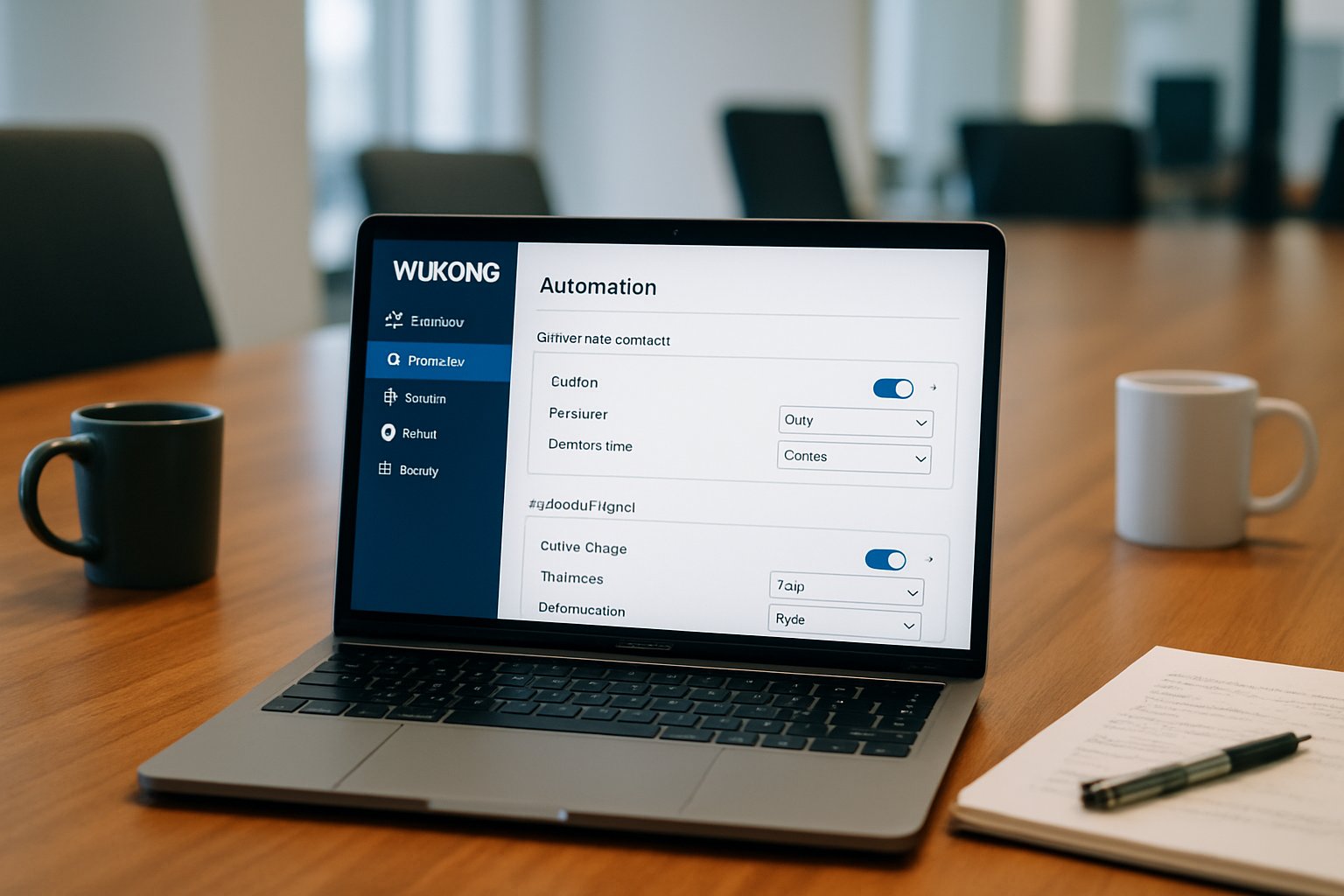
These market signals confirm rising demand. Consequently, Alibaba’s timing appears well-calculated. Let us now inspect the architecture that underpins that bet.
Architecture Highlights And Differentiators
Alibaba rebuilt DingTalk as a command-line interface to support the Wukong Enterprise Platform. Therefore, agents invoke enterprise functions directly instead of simulating screens. Additionally, a low-code Custom Agent Builder simplifies skill creation while marketplace distribution speeds reuse.
CLI Native Task Execution
Unlike GUI automation, CLI calls produce deterministic responses and richer audit trails. Consequently, failures surface earlier, and rollback becomes easier. Secure sandboxes inherit corporate permissions, and every token spend appears in dashboards. Moreover, Alibaba integrates functions from Taobao, Tmall, 1688, and Alipay, giving the Wukong Enterprise Platform deep commerce coverage.
These design choices elevate reliability and governance. Those design choices enable substantive launch automation scenarios, which we examine next.
Launch Automation Use Cases
Launch activities span many departments and require strict sequencing. Previously, staff chased emails and patched spreadsheets. Now, orchestration can flow end-to-end.
- Cross-border e-commerce store creation
- Seasonal marketing campaign rollout
- Supplier onboarding and contract approval
- Multi-region product listing localization
Alibaba demonstrates “One-Person Team” kits that chain skills for each scenario. Consequently, a week-long cycle compresses into one afternoon. Early beta logs show agents creating listings, booking ads, and syncing payment rules without manual clicks. Thus, the Wukong Enterprise Platform can shorten time-to-revenue for complex business launches.
These examples signal practical value. Nevertheless, executives still ask about measurable returns, which the next section addresses.
Benefits And Business Impact
Time savings headline the value story. However, other gains matter.
- Cost visibility through token metering and sandbox quotas
- Governance alignment via role-based permission inheritance
- Ecosystem reach across core Alibaba commerce and payment services
- Resilience thanks to CLI calls replacing brittle UI scraping
Moreover, packaged workflows democratize sophisticated launches for smaller teams. Therefore, midsize firms gain parity with larger rivals. The Wukong Enterprise Platform also tightens security by isolating every agent action. Consequently, CIOs monitor both outcomes and spending in one pane.
These benefits suggest strong ROI potential. However, no technology arrives without risk, which we explore next.
Risks And Governance Issues
Open agent frameworks invite new threat vectors. In contrast, Alibaba argues that sandboxes mitigate injection attacks. Nevertheless, security researchers warn about skill supply-chain vulnerabilities. Furthermore, uncontrolled agent loops can trigger runaway costs or policy violations. Gartner cautions that some early projects may falter without clear escalation rules. Regulatory bodies also scrutinize cross-border data flows, adding complexity for complex business operations. The Wukong Enterprise Platform addresses several gaps, yet independent audits remain scarce.
These challenges highlight critical gaps. However, emerging solutions are transforming the market landscape.
Competitive Landscape Snapshot
Tencent’s WorkBuddy emphasizes WeCom integration, while Nvidia’s NemoClaw targets neutral cloud deployments. Meanwhile, OpenClaw open-source stacks attract developers but lack built-in governance. Additionally, hyperscale clouds bundle orchestration toolchains alongside proprietary models. Against this backdrop, the Wukong Enterprise Platform leverages the installed DingTalk base of 20 million organizations. Moreover, deep hooks into Alibaba commerce services deliver differentiated end-to-end flows. Consequently, vendor lock-in risks rise, yet integration friction falls.
Competitive moves will shape customer choices. Therefore, enterprises need a structured adoption roadmap.
Next Steps For Enterprises
Decision makers should request a proof-of-concept sandbox first. Subsequently, review audit logs and cost dashboards with security teams. Furthermore, compare data residency terms against regional regulations. Procurement leaders can negotiate open skill formats to reduce lock-in. Professionals can enhance their expertise with the AI Prompt Engineer™ certification. Such training clarifies agent orchestration patterns and governance best practices. Establishing clear metrics before scaling ensures value capture for complex business launches using AI agents.
These steps create a disciplined path forward. Consequently, enterprises position themselves to capture early advantages.
Conclusion
Alibaba’s Wukong Enterprise Platform arrives amid soaring demand for autonomous workflows. Its CLI architecture, marketplace skills, and DingTalk reach promise faster, safer launches. Moreover, integrated governance tackles pressing compliance worries. Nevertheless, independent audits and measured rollouts remain prudent. Ultimately, technology leaders who combine pilot testing, staff upskilling, and tight metrics will convert automation hype into repeatable value. Explore certifications and begin a controlled pilot today.


