

AI CERTS
2 hours ago
World biometric verification reshapes global digital identity
However, global regulators question whether biometric data can remain anonymous forever. This article dissects the rise of World biometric verification, its technology stack, and the mounting policy battles surrounding it. Additionally, readers will gain pragmatic insights into commercial pilots, privacy safeguards, and upcoming milestones. Professionals evaluating emerging authentication tools should find actionable guidance throughout.
Orb Hardware Explained Clearly
The Orb resembles a polished steel bowling ball on a tripod. Moreover, its twin cameras capture high-resolution iris images while depth sensors ensure liveness.
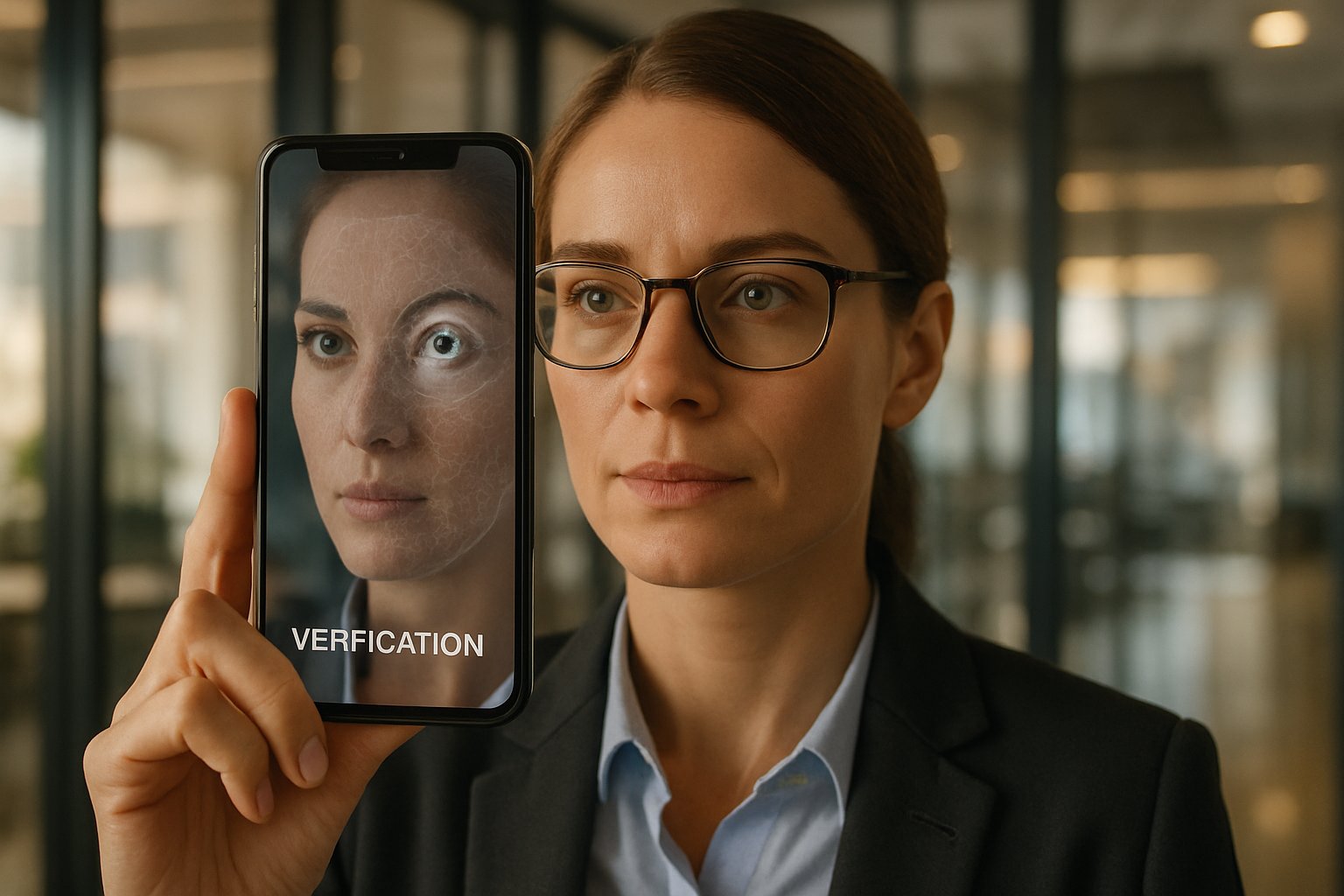
During enrollment, raw images stay local, and World biometric verification occurs on-device. Subsequently, embedded software converts them into an encrypted IrisCode split across several servers. World insists no single server can reconstruct a full code. Consequently, privacy advocates still worry about potential reconstruction of the World biometric verification pipeline.
The company says the process meets international zero-knowledge standards. Nevertheless, some cryptographers argue that implementation details matter more than marketing language. Understanding these subtleties is crucial for any agency evaluating biometric procurement.
Within the hardware pipeline, World biometric verification occurs instantly and returns a green check when the person has not registered before. Identity duplication attempts trigger a red alert, blocking new enrollment.
The Orb’s design balances hardware simplicity with cryptographic depth. However, lingering doubts about code reconstruction persist.
These technical debates set the stage for a closer look at privacy oversight.
Privacy Model Under Scrutiny
Regulators across Europe, Africa, and Asia have opened investigations into the privacy design. In contrast, Tools for Humanity cites secure multi-party computation as a safeguard.
Germany’s BayLDA ordered deletion of thousands of IrisCodes in December 2024. Meanwhile, Spain, Hong Kong, and Kenya issued suspensions or bans citing consent flaws.
Each agency questioned whether World collects adequate permission from participants, especially minors. Moreover, critics highlight that crypto rewards may compromise genuine consent.
Key regulatory concerns include:
- Perceived inadequacy of informed consent documentation
- Challenges erasing immutable biometric hashes
- Possible linkage of scans to personal identity metadata
- Uncertain jurisdiction over distributed servers
These findings place World biometric verification under a legal microscope again. Therefore, compliance teams must monitor ongoing court appeals and potential fines.
Regulators clearly see high stakes in biometric stewardship. Nevertheless, World continues expanding despite these warnings.
The following section reviews the active legal clashes shaping that expansion.
Regulatory Battles Intensify Globally
Litigation now spans at least eight jurisdictions. Consequently, World’s lawyers argue that split IrisCodes qualify as anonymous data under GDPR.
The Kenyan High Court disagreed. Furthermore, it ordered the deletion of data collected from over 350,000 citizens and halted further processing.
In Germany, the Bavarian data protection agency BayLDA president Michael Will warned of “fundamental data protection risks.” Therefore, the outcome of World’s appeal will likely influence broader European policy.
Several U.S. senators have also requested briefings on how World biometric verification might intersect with national security frameworks.
These legal showdowns underscore the uncertain path ahead. Nevertheless, commercial adoption continues, as the next section explains.
Commercial Integrations And Utility
Despite controversies, adoption momentum is real. Visa is piloting age-restricted payments that rely on World ID for checkout confirmation.
Match Group’s Tinder trial uses the system to block catfish accounts. Additionally, Razer plans in-store Orbs to reduce device-return fraud. Consequently, platforms hope World biometric verification will raise user confidence.
Current scale highlights include:
- Approximately 12 million verified humans, according to April 2025 press statements
- Over 25 million World App downloads spanning more than 160 countries
- Hundreds of Orbs today, with thousands slated for U.S. malls by late 2025
Developers can integrate World ID with OAuth-style APIs. Moreover, blockchain startups now test airdrops that require proof-of-personhood, mitigating Sybil attacks.
Product teams designing related user journeys can deepen design expertise through the AI+ UX Designer™ certification.
Commercial partners praise quick onboarding. However, integration teams must still handle fallback flows when World biometric verification is unavailable.
Utility continues to expand across consumer and enterprise platforms. In contrast, ethical questions remain unresolved, as examined next.
Competitive And Ethical Landscape
Competitors include Proof of Humanity, BrightID, and several blockchain captcha services. Each pursues proof-of-personhood without heavy biometrics.
Ethicists argue that immutable biomarkers pose irreversible risks. Moreover, losing an iris hash differs from resetting a password.
World claims its World biometric verification architecture mitigates those stakes. Nevertheless, researchers warn that linkage attacks could still tie a World ID back to real identity data.
Another debate centers on economic incentives. Consequently, some critics call the WLD token a nudge that exploits the financially vulnerable human demographic.
Maintaining public trust will require transparent audits, open-source code, and verifiable consent logs. Therefore, governance must mature alongside technical innovation.
These ethical tensions will likely intensify as deployments scale. Subsequently, attention shifts toward future technical upgrades and strategic roadmaps.
Future Outlook And Roadmap
Tools for Humanity plans smaller “mini-Orbs” that fit on retail counters. Additionally, self-serve kiosks may appear in universities and airports.
Company engineers also prototype face-match fallback methods. However, early tests highlight bias risks that require careful tuning before release.
On the software side, zero-knowledge sessions may soon replace centralized checks. Consequently, developers could embed offline proofs within decentralized blockchain wallets.
Leadership expects verified population counts to exceed 50 million humans by 2026. Moreover, the firm forecasts stable revenue from paid API tiers.
Meanwhile, regulators will likely refine biometric guidelines. Agencies could demand stricter deletion mechanisms and independent cryptographic audits.
Still, World biometric verification remains central to the company vision. Identity innovation will continue riding on rapid hardware iterations and privacy research.
Upcoming milestones could redefine trust online. Nevertheless, stakeholders must balance growth with rigorous accountability.
Conclusion And Action Steps
World’s proof-of-personhood experiment has sparked equal parts excitement and controversy. Furthermore, the Orb delivers instant confirmation while cryptography hides raw images. However, regulators question consent practices and long-term security. Commercial pilots with Visa and Tinder show tangible demand, yet public acceptance hinges on transparent audits. Ultimately, the success of World biometric verification will depend on trust and sustained legal clarity. Professionals can deepen skills and design safer workflows by pursuing the AI+ UX Designer™ certification today.


