

AI CERTs
1 week ago
Wikipedia’s Human Review Mandate Tightens AI Limits
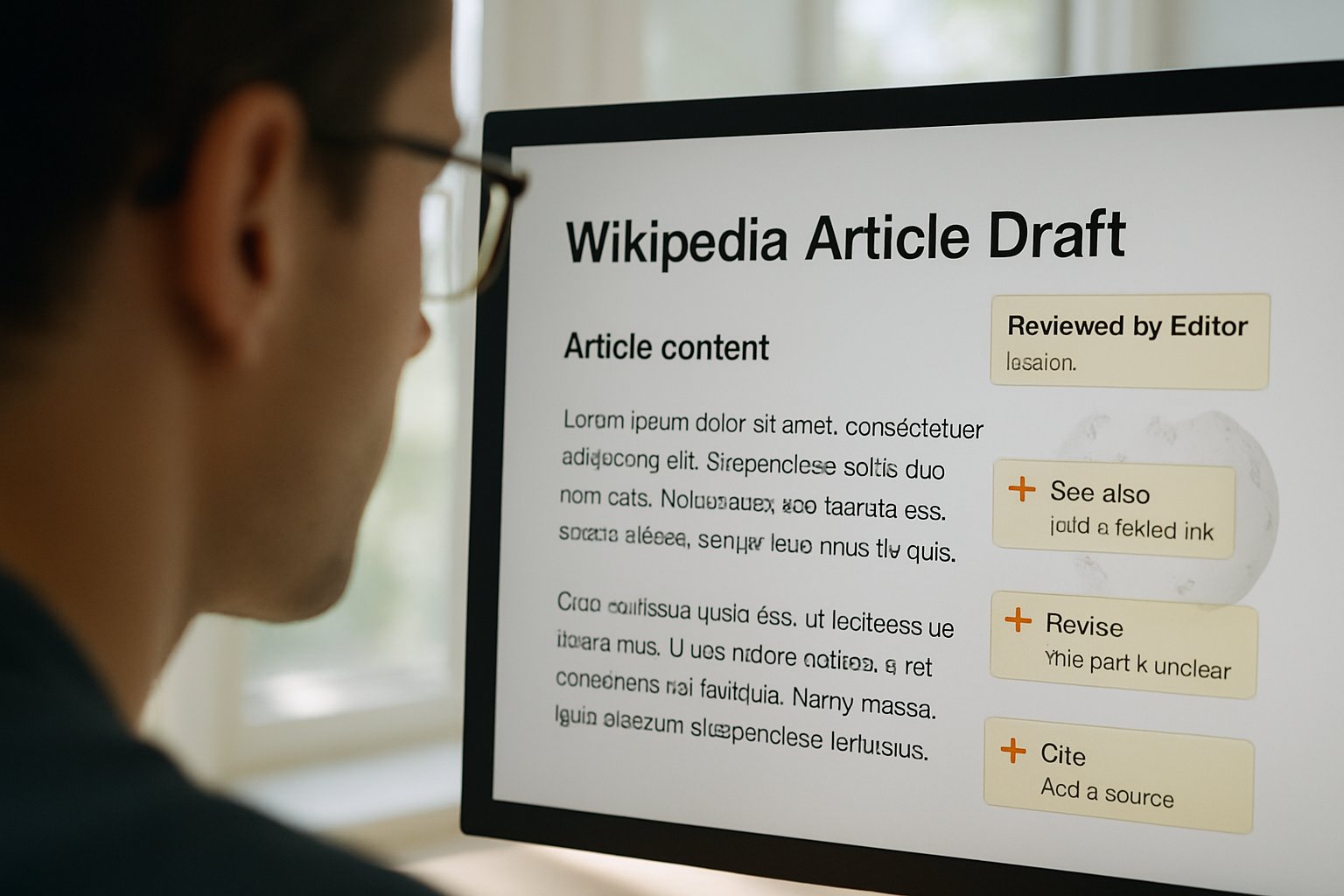
Wikipedia is fighting a content war powered by algorithms and volunteers. Consequently, recent votes and board statements now spotlight a strict Human Review Mandate for every article. Editors argue that unchecked bots jeopardize Accuracy and audience trust. Meanwhile, Foundation leaders see machine assistance as crucial for sustainability. The tension comes as large LLMs scrape millions of pages while community traffic declines. Moreover, academic research shows at least five percent of new English entries contain synthetic passages. Therefore, Wikipedia’s next decisions will shape open knowledge governance across the internet. This article unpacks the timeline, Policy debates, detection science, and financial trade-offs now unfolding. Additionally, professionals will learn how emerging rules influence future content workflows. Finally, we outline career paths, including the linked certification for AI governance specialists.
Timeline Shows Rapid Shift
April 2025 launched the Wikimedia Foundation’s three-year AI roadmap. However, June 2025 saw the “simple summaries” pilot paused after editor protest. Subsequently, August 2025 added speedy deletion rules targeting obvious AI slop. January 2026 disclosed commercial deals granting paid access to several AI giants. In February 2026, German editors overwhelmingly banned LLM-generated prose. March meetings now focus on global enforcement mechanics.
- 65 million articles span 300 languages
- 250,000 active volunteers patrol edits
- Princeton study flagged 5% of new pages as AI written
- Cleanup projects listed 500+ suspect entries
These milestones prove momentum toward stronger guardrails. Nevertheless, technical challenges remain unresolved. The next section highlights rising community anxiety.
Community Raises Quality Fears
Volunteer moderators perceive AI text as a direct threat to encyclopedic Accuracy. In contrast, WMF staff emphasize productivity gains from translation and link repair tools. Moreover, the German ban signals that strict Community Guidelines can pass when trust feels endangered. Editors cite hallucinations, fabricated citations, and promotional tone as recurring issues. Therefore, the Human Review Mandate becomes a rallying cry for human-first editing.
Jimmy Wales told AP that AI companies should “chip in” for infrastructure. Consequently, some contributors question accepting money from firms while blocking their output. The tension illustrates diverging risk appetites among language projects. These debates underscore the social cost of automated mistakes. However, detection science complicates swift resolution, as detailed next.
Detection Tools Face Limits
Researchers deploy GPTZero and Binoculars detectors calibrated to a one-percent false-positive rate. Nevertheless, practical use on Wikipedia remains contentious. Detectors misclassify poetic or translated passages, forcing humans to double-check results. Consequently, the Human Review Mandate insists that machine flags always receive manual confirmation. Academic voices warn of an arms race where generators adapt faster than classifiers. Furthermore, Policy writers fear that over-reliance on imperfect tools harms innocent editors.
Editors now use “signs of AI writing” checklists alongside detectors. Moreover, new Community Guidelines require evidence beyond a single score before sanctions. Detection remains valuable yet insufficient alone. These constraints feed into broader funding and product choices, explored in the following section.
Revenue Strategy Meets Resistance
Enterprise API agreements with Microsoft, Meta, and others aim to offset an eight-percent decline in human pageviews. However, critics see ethical tension between selling data to LLMs and banning their text. WMF argues that sustainable hosting demands diversified revenue. Additionally, donor-restricted funds already earmark one million dollars for AI research. Consequently, observers ask whether financial dependence might soften future stances.
Jimmy Wales frames payments as fair cost recovery. Nevertheless, volunteers fear influence on editorial independence. The Human Review Mandate reassures them that cash will not override quality. These funding debates feed into governance redesign, covered next.
Governance Still Evolving
Multiple working groups draft cross-wiki Policy aligning with localized Community Guidelines. Moreover, proposals include graduated sanctions, transparent appeal processes, and clearer labeling of AI assistance. Consequently, administrators require new skills in forensics and mediation. WMF pledges multilingual training modules to bridge gaps. Meanwhile, language projects experiment with bots that only suggest edits pending human approval, satisfying the Human Review Mandate.
Future rules must balance global consistency with cultural nuance. Therefore, flexible governance remains essential. Professionals seeking formal expertise can enhance their profile through the AI Project Manager™ certification, which covers risk frameworks and stakeholder alignment. These capacity-building options prepare talent for the compliance challenges summarized below.
Skills For Future Compliance
Open knowledge platforms now demand hybrid capabilities. Editors need technical insight into LLMs, legal understanding of licensing, and diplomatic engagement with volunteers. Furthermore, policy analysts must craft measurable success metrics ensuring enduring Accuracy. Consequently, training focuses on detection literacy, citation verification, and conflict resolution. The Human Review Mandate appears eight times in official drafts, emphasizing its centrality.
Key competencies include:
- Evaluating detector output against source material
- Drafting enforceable Policy language
- Aligning edits with evolving Community Guidelines
- Communicating LLMs risks to non-experts
Mastering these skills positions contributors for leadership in AI governance. Next, we summarize main insights and next steps.
Wikipedia’s layered approach shows rapid adaptation. Moreover, volunteers and staff continue refining methods that uphold trust. Consequently, future decisions will test whether the Human Review Mandate delivers enduring reliability across languages.


