

AI CERTS
3 hours ago
WhatsApp Strict Mode Boosts Messaging Data Protection
Unlike incremental tweaks, the new mode bundles existing defenses and locks them by default. In contrast, earlier privacy controls demanded manual tuning that many high-risk users missed. Furthermore, the launch coincides with the platform migrating critical media libraries from C++ to Rust for added memory safety. Analysts therefore view the twin moves as complementary layers within a broader safety roadmap.
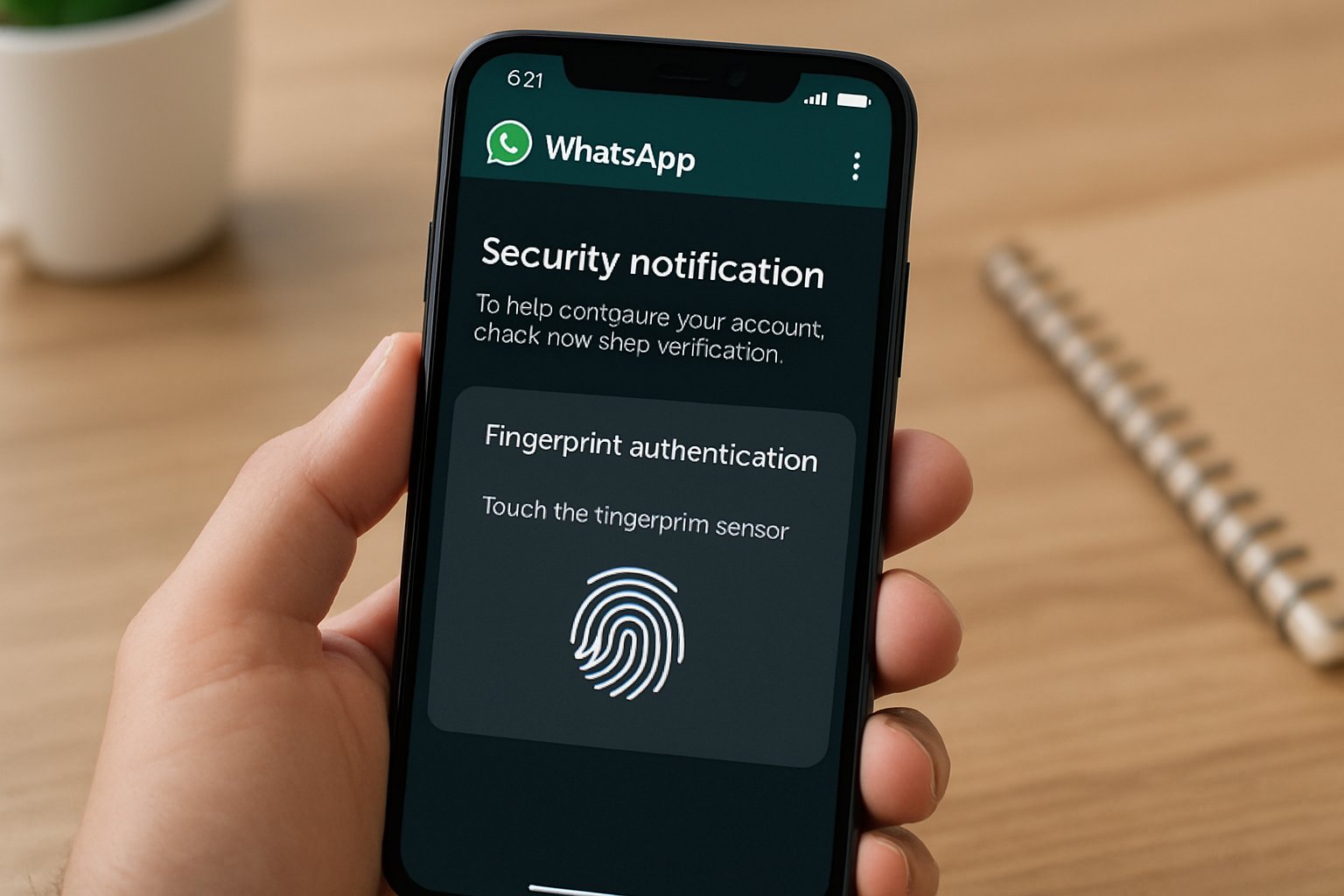
High Risk User Needs
Journalists and human-rights lawyers often receive malicious media from unknown sources. Consequently, zero-click exploits can compromise their devices without any tap or download. Attackers also harvest IP addresses through voice calls to triangulate locations.
Moreover, phishing group invites remain a persistent vector for surveillance operations. The company designed Strict Account Settings to neutralize these avenues while preserving end-to-end Encryption. Therefore, Messaging Data Protection becomes achievable for non-technical users through a single toggle. Nevertheless, usability costs remain significant and will be explored later.
These needs underscore the urgency driving Meta's decision. However, understanding the feature set clarifies real-world impact.
Strict Mode Feature Set
Strict Account Settings aggregates multiple defensive switches into a locked profile. Additionally, turning the mode on alters several default behaviors instantly.
- Blocks automatic media downloads from unsaved numbers
- Disables link previews to prevent metadata leakage
- Silences calls originating outside the contact list
- Restricts group invitations to trusted contacts only
- Enforces two-step verification for account access
- Routes calls through WhatsApp servers, masking user IP addresses
- Limits profile visibility to saved contacts
Consequently, each control shrinks the attack surface targeted by commodity spyware and high-end surveillance suites. Moreover, the bundle relieves users from hunting scattered settings deep inside menus. Messaging Data Protection thus evolves from aspiration to practical default for at-risk communities.
These features deliver technical barriers. Therefore, engineering hardening offers an additional shield beneath the interface.
Rust Powered Engineering Hardening
Behind the scenes, Meta engineers replaced 160,000 lines of C++ with 90,000 lines of Rust. Consequently, memory-safety bugs that allow remote code execution become far less likely. Rust's compile-time checks eliminate entire vulnerability classes that plague older languages.
Furthermore, the team integrated the new library across Android, iOS, and desktop clients simultaneously. Engineers claim this is the largest Rust deployment within consumer messaging. Moreover, the project aligns with industry moves toward safer systems languages for frontline Encryption applications.
Messaging Data Protection benefits because stricter security parsing barriers block malicious media before reaching user space. Nevertheless, software alone cannot stop sophisticated attackers, so user-facing lock-downs remain vital.
These engineering advances set the groundwork. In contrast, market comparisons reveal how the mode fits broader trends.
Comparisons With Other Lockdowns
Apple introduced Lockdown Mode in 2022 to blunt Pegasus-style exploits. Similarly, Google offers Advanced Protection for high-risk cloud accounts. The app now extends platform-level protection into the messaging layer.
Moreover, its opt-in design mirrors the selective approach favored by Apple and Google. In contrast, few smaller messaging services possess resources for both client and server hardening. Messaging Data Protection therefore becomes a differentiator at enterprise scale.
These comparisons frame competitive stakes. Subsequently, analyzing tradeoffs explains why adoption may remain selective.
Operational Tradeoffs And Limitations
Enabling strict mode blocks screenshots, link previews, and unsolicited media, which can hinder investigative workflows. Additionally, muted unknown calls might cause journalists to miss urgent tips. Businesses relying on the app for customer support may also struggle when group invites fail.
Moreover, some protections stay active until the user explicitly disables the entire mode, limiting flexibility. Attackers could still exploit operating-system flaws outside the messaging sandbox. Therefore, risk assessments should consider broader device hygiene, patch management, and physical security.
Messaging Data Protection is strongest when paired with disciplined update policies and secure hardware tokens. These limitations highlight necessary context. Nevertheless, clear guidance can streamline deployment for target groups.
Enablement Steps And Guidance
Users must open Settings, navigate Privacy, choose Advanced, then toggle Strict Account Settings. Only the primary device can change the toggle, preventing companion devices from downgrading protection. Furthermore, Meta suggests enabling the feature before traveling or publishing sensitive reports.
Professionals can enhance their expertise with the AI+ Network Security™ certification. Moreover, that credential complements Messaging Data Protection practices by deepening threat-modeling skills.
Organizations should draft internal policies outlining when employees may disable certain restrictions. Consequently, help desks avoid confusion while maintaining documented risk acceptance.
These steps simplify adoption. Therefore, the final section explores likely future developments.
Future Outlook And Actions
Industry observers expect broader integration with device-level Lockdown APIs over the next year. Additionally, Meta may allow granular exceptions, such as temporary media downloads for verified sources. Regulators meanwhile will scrutinize Encryption claims, especially as new anti-surveillance lawsuits emerge.
Moreover, threat actors continue evolving payloads, so layered defenses must iterate quickly. Messaging Data Protection will therefore remain a moving target requiring constant vendor investment. Consequently, protection leaders should schedule quarterly audits to ensure settings still match current risk posture.
These outlook points set a proactive agenda. Finally, a concise summary reinforces critical insights.
In summary, Strict Account Settings delivers meaningful resilience against both commoditized spyware and nation-state surveillance. Furthermore, Meta's Rust migration reduces silent compromise opportunities inside media parsing routines. However, successful deployment demands balanced policies, staff training, and periodic verification.
When paired with disciplined patch management, Messaging Data Protection reaches enterprise-grade strength. Professionals pursuing leadership roles should therefore formalize skills through recognized programs. Consider enhancing credibility via the previously mentioned certification while championing continuous security culture improvements.
Ultimately, proactive measures today safeguard Messaging Data Protection tomorrow, preserving trust and competitive advantage across global markets.


