

AI CERTs
2 months ago
Virtual Apparel Simulation AI Cuts Fashion Sampling Costs
Virtual Apparel Simulation AI is transforming product creation across fashion houses. Moreover, software and generative models now replace costly physical prototypes with accurate 3D twins. Consequently, design approvals move faster, freight shrinks, and waste falls. Brands seeking speed and savings should track this shift closely.
Market Momentum Surges Ahead
Adoption moved from pilots to enterprise rollouts within two years. Furthermore, Macy’s hit 61% virtual sampling, while Hugo Boss targets 90% next season. Mordor Intelligence expects the virtual try-on market to reach USD 48.1 billion by 2030. Meanwhile, 3D software vendors report double-digit growth and deeper cloud links. Pierre Maheut of Adobe noted an accelerating digital transformation across apparel design workflows.
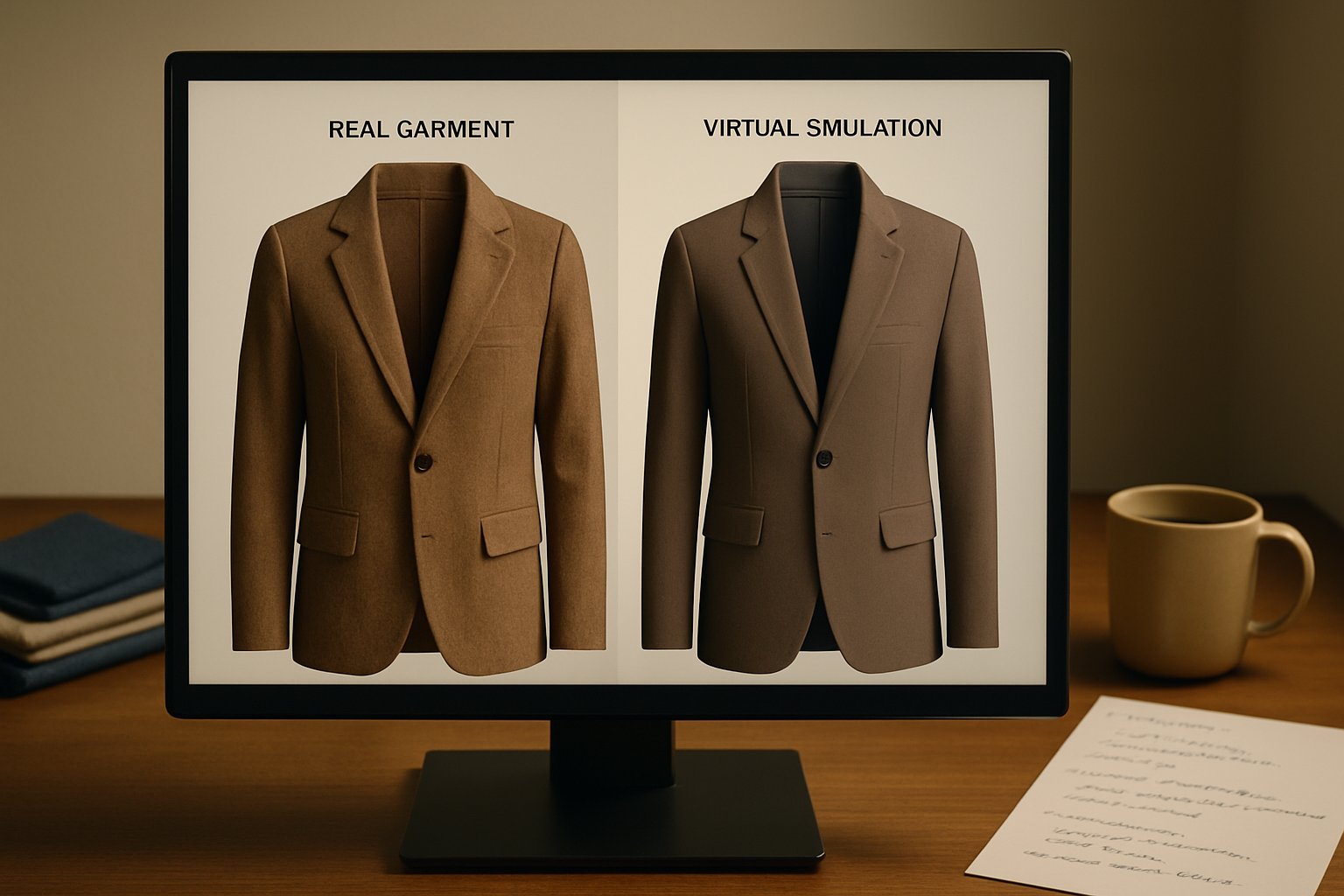
Incumbents like Browzwear, CLO, and TUKAtech expand ecosystems with Unreal Engine and NVIDIA Omniverse integrations. Additionally, startups such as Metail supply photorealistic on-model imagery in under an hour. Consolidation and partnerships are therefore boosting interoperability across design, merchandising, and e-commerce.
The surge proves sustained commitment. However, understanding cost impacts demands closer scrutiny.
These momentum signals highlight mass market readiness. Consequently, the next section examines hard savings evidence.
Cost Savings Evidence Grows
Brands cite tangible benefits once physical samples shrink. Browzwear’s Oasis Garment saved 20% on development and cut mockups by 33%. Likewise, Bodynits trims sample iterations to as little as three days. Furthermore, global case studies report 20–75% fewer physical samples depending on category maturity.
- Physical sample cost: USD 50–1,000 each, depending on complexity.
- Typical per-sample savings: 60–90% when simulated virtually.
- Time-to-approval: reduced from six weeks to two weeks in documented scenarios.
- Development cycle reduction: over one month for Oasis Garment.
Moreover, freight and customs fees disappear when fewer parcels cross oceans. Sustainability scores also improve because unused fabrics stay in mills. Geoff Taylor of TUKAtech said full digital workflows can “eliminate the need for any physical samples and photography.”
Brands feel these gains immediately. Nevertheless, realism and AI accuracy must convince sceptical merchandisers.
These cost metrics confirm the financial rationale. In contrast, technological advances underpin credibility, as the next section explains.
AI Powers Realism Leap
Generative diffusion models now augment physics-based cloth simulation. Additionally, research such as SV-VTON delivers size-variable, high-fidelity images that mirror real drape. TUKA3D partnered with EcoShot to generate photorealistic marketing shots from a 3D garment within one hour. Consequently, many brands skip expensive studio sessions entirely.
Digital twins benefit because AI refines texture, lighting, and pose diversity automatically. Moreover, NVIDIA’s RTX acceleration compresses render times, enabling rapid iterative reviews. These advances push Virtual Apparel Simulation AI beyond internal sampling into customer-facing e-commerce assets.
Technical credibility grows with every paper and partnership. Therefore, operational teams must align new tools with existing systems.
AI realism reduces touch barriers. However, implementation challenges still slow universal adoption.
Operational Hurdles Still Remain
Fabric hand remains difficult to judge on screens. Moreover, color distortion and sheen require calibrated workflows. Interoperability gaps between PLM, ERP, and 3D formats create friction for suppliers. Upfront software licenses and training add further resistance, especially among small and medium enterprises.
Additionally, certain luxury segments still demand final physical approval. Industry auditors also highlight limited independent verification of vendor ROI claims. Consequently, decision makers seek audited numbers before expanding budgets.
These frictions illustrate why strategy matters. Nevertheless, proactive leadership can convert obstacles into competitive advantages.
Challenges persist across people, process, and platforms. Subsequently, strategic actions determine whether benefits materialize.
Business Impact And Strategy
Successful programs treat Virtual Apparel Simulation AI as a transformation, not a plug-in. Moreover, cross-functional steering groups set policies for material libraries, avatar standards, and review protocols. Training pattern makers to trust pixels is essential. Professionals can enhance their expertise with the AI Customer Service™ certification, deepening AI fluency across teams.
Strategic priorities often include:
- Centralize digital asset libraries for consistent apparel design references.
- Integrate PLM and render engines to ensure single-source updates.
- Benchmark sample counts and cycle times before rollout.
- Engage suppliers early through shared digital twins.
- Track sustainability KPIs alongside financial metrics.
Moreover, linking simulation outputs to e-commerce photography compound returns. Adidas already sells billions in 3D-generated ranges, reducing returns through improved fit depiction. Therefore, the business case extends well beyond sampling.
Strategic execution unlocks compound benefits. Meanwhile, outlook considerations shape long-term planning.
These strategies connect technology to revenue. Consequently, leaders should forecast future developments, covered next.
Future Outlook And Actions
Market analysts foresee steady double-digit growth in 3D fashion software through 2030. Additionally, generative models will soon deliver real-time, on-device visualization for consumers. Consequently, returns may decline as shoppers view precise fits before purchase. Sustainability regulators may also credit virtual sampling within environmental disclosures, adding external incentives.
In contrast, vendors must solve interoperability and tactile evaluation to reach late adopters. Meanwhile, emerging startups will target niche materials, leather embossing, and advanced knit simulations. Therefore, continuous skill development remains critical for designers and technologists alike.
Forward-looking brands should pilot next-generation texture scanning, AI-driven fit validation, and automated marketing asset creation. Moreover, establishing clear ROI dashboards will support board-level funding decisions for scaled deployment.
Future advances promise deeper personalization and faster trend response. Nevertheless, preparation today ensures readiness for tomorrow.
These projections emphasize ongoing evolution. Subsequently, a concise conclusion ties the narrative together.
Conclusion And Call-To-Act
Virtual Apparel Simulation AI already slashes sampling costs, accelerates cycles, and improves sustainability. Moreover, AI-enhanced realism now convinces designers, suppliers, and shoppers. Challenges around fabric feel, standards, and training persist, yet strategic governance can mitigate them. Therefore, forward-thinking brands should integrate digital twins, refine apparel design processes, and measure gains.
Professionals seeking competitive advantage should continually upskill. Additionally, explore the linked certification to cement AI literacy. Embrace simulation today, and consequently secure faster, greener, and more profitable fashion seasons ahead.


