

AI CERTs
2 hours ago
Virginia’s Energy Bottleneck Threatens Data-Center Boom
Server farms once looked like niche infrastructure. Now they dominate utility planning sessions. Consequently, Dominion Energy’s latest filings reveal unprecedented load requests. Analysts call the phenomenon an Energy Bottleneck with national repercussions. Moreover, grid operators face timelines measured in months, not decades. Some projects need transmission that traditionally took ten years. In contrast, cloud budgets expect power within three.
Pressure is acute in Northern Virginia, the world’s densest server hub. Furthermore, Dominion disclosed 40 gigawatts of pending data-center requests, eight times today’s live load. Meanwhile, the legislative watchdog JLARC reports operating facilities already require roughly five gigawatts. Therefore, even partial conversion of the queue could double statewide peak demand. Investors, regulators, and communities now debate who pays and who breathes diesel fumes. Nevertheless, every stakeholder agrees that reliable electricity remains the essential currency of digital trade.
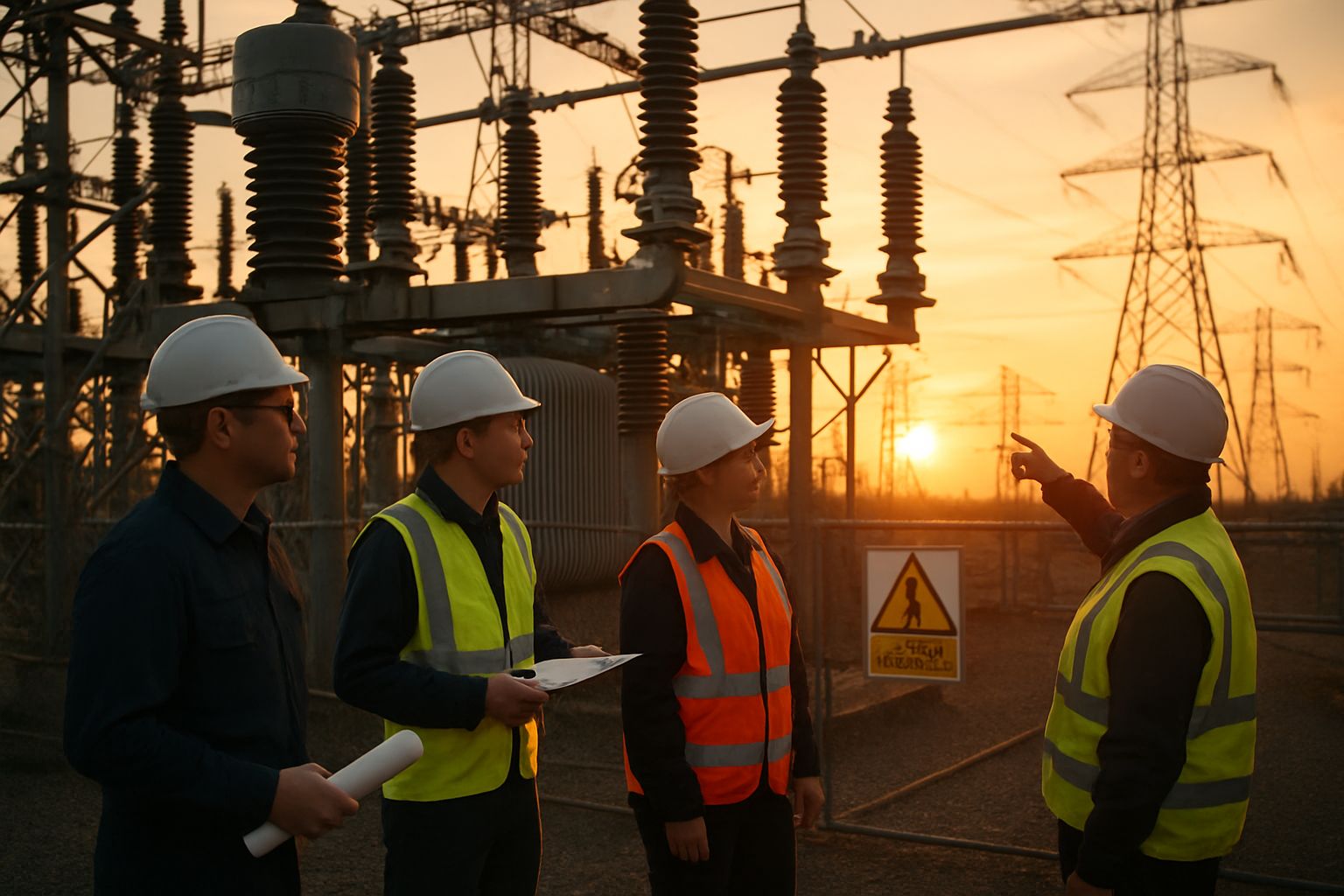
Data Center Growth Drivers
Hyperscale AI training, cloud adoption, and edge services accelerate rack deployment. Additionally, tax incentives and fiber density attract investors to Loudoun County’s so-called Data Center Alley. Consequently, project announcements arrive monthly.
Dominion executives revealed that most new requests come from four hyperscalers. Moreover, those firms sign long-term power agreements that outlast ordinary office leases. Such financial muscle shifts utility priorities rapidly.
Therefore, ignoring the looming Energy Bottleneck invites service delays and reputational risk.
Local economies gain construction jobs and rising tax receipts. Nevertheless, explosive growth can outpace prudent planning. The Dominion pipeline numbers illustrate the scale of challenge ahead.
Dominion Pipeline Explained Clearly
The utility’s December disclosure shocked analysts. Furthermore, total requests reached about 40 gigawatts, compared with 21 gigawatts six months earlier. Most projects cluster in Northern Virginia counties already dense with fiber. That queue equals the entire peak load of several states.
Dominion categorizes requests using engineering letters, construction letters, and binding Electrical Service Agreements. Additionally, conversion rates vary widely. Some letters never progress to construction.
Nevertheless, even partial realization would strain Grid Capacity. JLARC modeling shows unconstrained demand might double statewide peaks within ten years. Therefore, planners treat the queue as a real planning horizon, not speculation. Stakeholders cite this Energy Bottleneck when requesting accelerated transmission approvals.
The pipeline dwarfs present operational load by almost eightfold. Consequently, utilities must consider massive transmission and generation investments. Next, we examine how Grid Capacity feels the immediate pressure.
Grid Capacity Under Strain
Operational data show roughly 5.05 gigawatts already serving 340 facilities. Moreover, backup diesel generators add another 11 gigawatts of permitted capacity for emergencies. Meanwhile, PJM auctions reveal rising capacity prices in the Dominion zone.
- 5,050 MW: current Grid Capacity serving centers today
- 40,200 MW: total requests in Dominion’s queue—an Energy Bottleneck in numeric form
- 26%: share of Dominion sales linked to data centers in 2024
- 2.1 billion gallons: water consumed by facilities during 2023
Consequently, planners consider new 500 kV lines and peaking plants. In contrast, communities resist towers that cross protected landscapes. Additionally, higher capacity prices already flow through to residential bills.
Therefore, capacity constraints emerge faster than generation projects can finish. The Energy Bottleneck becomes visible not in 2035 but today. Nevertheless, environmental concerns complicate simple supply solutions.
Peak lines and rising prices confirm immediate grid stress. Moreover, water and diesel issues widen the impact scope. Environmental costs now demand closer inspection.
Environmental Impact And Costs
Water and air quality top local worry lists. Additionally, JLARC noted 2.1 billion gallons withdrawn in 2023, mostly near Potomac rivers. Diesel generators, while seldom run, number above 4,000 and total 11 gigawatts of permits.
Consequently, environmental justice groups question siting decisions around schools and low-income neighborhoods. In contrast, county officials highlight millions in annual revenue used for public projects. Therefore, debates grow heated during zoning hearings.
Renewable commitments ease some concerns but not timing issues. Moreover, solar projects cannot match synchronized data-center load without firm storage. Thus, the Energy Bottleneck persists despite green pledges.
Water stress and generator emissions add non-monetary costs to expansion. Nevertheless, public backlash also motivates policy innovation. Regulators and lawmakers react with new proposals.
Policy And Market Responses
Dominion proposed a dedicated rate class for mega-wattage data centers. Furthermore, longer contract terms would lock customers into paying transmission upgrades. PJM, meanwhile, revises interconnection windows to manage speculative requests.
State senators introduced bills limiting diesel permits and altering tax incentives. Moreover, counties now demand water impact statements before granting construction approval. Consequently, site selection timelines lengthen, giving grid planners breathing room.
Market reactions also reflect uncertainty. Capacity auction prices rose in 2024 as investors priced risk into future supply. Therefore, financing costs for new plants may climb amid the Energy Bottleneck.
Regulatory innovation seeks to realign costs with beneficiaries. Nevertheless, policy execution will take years, prolonging the Energy Bottleneck. Industry now explores technical paths to Sustainability.
Path Toward Long-Term Sustainability
Hyperscalers pursue efficiency, renewables, and onsite batteries. Additionally, improved server utilization lowers wasted headroom. Liquid cooling also drops facility PUE significantly. Higher efficiency directly supports corporate Sustainability targets.
Google, Microsoft, and AWS now target hourly carbon-free matching. Moreover, several firms fund small modular reactor feasibility studies near critical campuses. Consequently, zero-carbon baseload could mitigate the Energy Bottleneck within a decade. Industry leaders frame the challenge as an Energy Bottleneck requiring holistic solutions.
Professionals can enhance their expertise with the AI Government™ certification.
Nevertheless, technology solutions alone cannot close every gap. Therefore, coordinated policy and market design remain essential for lasting Sustainability.
Efficiency, clean supply, and smarter siting compose the viable long-term toolkit. Moreover, skilled professionals will guide those innovations. The stakes clarify in our closing assessment.
Dominion’s queue dwarfs today’s live load and accelerates investment timelines. Consequently, planners confront simultaneous financial, environmental, and engineering constraints. The Energy Bottleneck defines this pivotal moment for digital infrastructure. Yet proactive action can transform risk into opportunity. Nevertheless, delay would shift costs onto residents and small businesses.
Stakeholders must align Grid Capacity upgrades, policy incentives, and corporate Sustainability commitments. Furthermore, continuous learning will help leaders navigate evolving standards and technologies. Moreover, transparent data sharing will accelerate consensus among utilities and communities. Explore the linked certification, join peer discussions, and shape a resilient, low-carbon future. Therefore, decisive collaboration becomes the most valuable asset in this transition.


