

AI CERTS
4 months ago
VeydooMax Spurs Specialized Mobility Momentum
Consequently, suppliers rush to deliver advanced Safety aids that retrofit existing bikes. VeydooMax promotes its Smart Console as a plug-and-play brain for any Motorcycle model. Additionally, the unit integrates radar, cameras, and 2K recording within a durable IP67 housing. However, analysts await third-party tests before declaring the product road ready. This report examines the market landscape, technical claims, OEM feedback, and commercial hurdles. Readers will understand how Specialized Mobility solutions like V5 could transform daily riding experiences.
Global Market Growth Trends
Market forecasts signal robust demand for motorcycle electronics over the next decade. Furthermore, Precedence Research projects accessories revenue hitting USD 33.85 billion by 2034. MarketResearchFuture offers even steeper growth for Motorcycle ADAS, reaching USD 24.2 billion by 2035. Nevertheless, estimates vary because methodologies differ across consultancies. In contrast, conservative reports still predict hundreds of millions in short-term ADAS sales.
- 2025 accessories spend: USD 21.18 billion (Precedence).
- 2025 ADAS spend: approximately USD 3.0 billion (MarketResearchFuture).
- Projected CAGR: up to 18% through 2030 across subsegments.
Consequently, investors view Specialized Mobility as a fertile arena for differentiated hardware. VeydooMax targets this expansion with an aftermarket first strategy, avoiding OEM lead times. These numbers illustrate a sizable, fast-moving opportunity. However, competition will intensify as incumbents and startups chase the same dollars. Consequently, understanding V5’s engineering merits becomes essential.
Inside V5 Core Technology
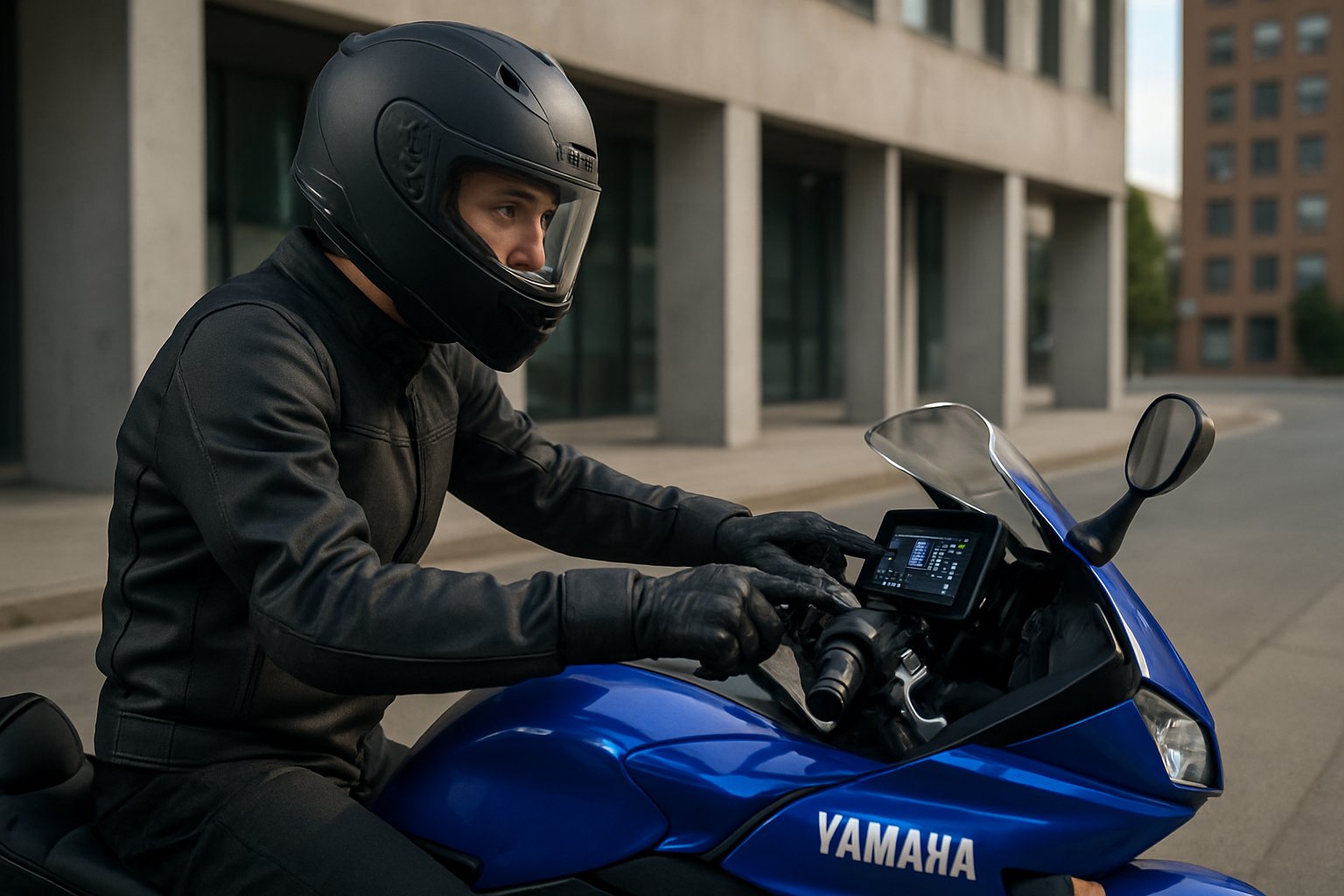
VeydooMax positions the V5 as a Smart Console that augments rider perception, not automation. Moreover, the unit merges camera feeds with mmWave radar to deliver Blind-Spot Detection and Forward Collision Warning. Processing occurs locally on a dedicated AI chipset, ensuring alerts even without cellular coverage. IP67 sealing and a 1,000-nit touchscreen address vibration, dust, and glare challenges common on any Motorcycle. Additionally, CarPlay, Android Auto, and Bluetooth support integrate navigation and media within the same enclosure. The Smart Console also records 2K HDR video with electronic stabilization for evidence or content creation.
Safety remains the headline value, yet entertainment features improve everyday usability. Consequently, the V5 attempts a balanced proposition for Specialized Mobility enthusiasts seeking both protection and convenience. Local processing promises low latency, while rugged design boosts durability. Nevertheless, field tests must validate detection accuracy in diverse weather conditions. Attention now shifts to how OEM engineers responded during live demos.
OEM Interest Snapshot Today
VeydooMax announced enthusiastic feedback from Honda, Yamaha, and Bosch personnel at EICMA 2025. However, no Collaboration agreements have surfaced in official OEM press channels. Honda’s Milan releases focused on electric platforms, while Yamaha highlighted hydrogen concepts. Therefore, the current evidence for OEM demand rests on informal engineer conversations. Industry veterans caution that moving from praise to procurement demands rigorous validation and multi-year audits.
Nevertheless, positive shop-floor reactions often precede pilot programs, especially within Specialized Mobility projects. Subsequently, VeydooMax plans follow-up showings at INTERMOT Cologne to court European distributors and technical teams. The company also cites over 100 dealer inquiries requesting pricing details. Informal praise signals curiosity, not commitment. Consequently, formal Collaboration announcements remain the critical next milestone. Competitive dynamics clarify why OEMs may hesitate.
Competitive Landscape Overview Now
Motorcycle ADAS development involves giants like Bosch, Continental, and Denso alongside agile startups. In contrast, boutique brands like Ride Vision and Innovv target the same aftermarket gap as VeydooMax. Bosch already supplies factory radar on Ducati and Kawasaki models, creating high credibility. Furthermore, established Tier-1 suppliers hold automotive-grade certifications and global service networks. VeydooMax differentiates by offering a Smart Console bundle rather than discrete sensors. This approach simplifies installation but may limit custom integration flexibility for big OEMs. Specialized Mobility customers often favor turnkey setups, which supports the bundle strategy. Nevertheless, incumbents can quickly respond with similar accessory kits if demand materializes. Competition blends scale, experience, and speed. Therefore, brand trust and demonstrable Safety performance will decide winners. These factors feed into commercialization risk assessment.
Commercialization Roadmap And Risks
Bringing an aftermarket Motorcycle device to market involves technical, regulatory, and financial hurdles. First, vibration and heat testing must confirm Safety under real-world riding conditions. Additionally, electromagnetic compliance filings add costs and time. Regulators could demand automotive-grade functional Safety evidence before approving widespread sales. Meanwhile, liability questions arise if false alerts contribute to crashes. Consequently, VeydooMax may pursue Collaboration with insurance partners to underwrite risk. Funding rounds will likely follow INTERMOT feedback to scale production capacity.
Professionals can deepen insight through the AI Product Manager certification. Such credentials aid teams navigating Specialized Mobility product lifecycles. Technical proof and finances remain intertwined. Therefore, clear milestones and transparent testing will reassure investors and regulators. The final section distills strategic lessons for stakeholders.
Strategic Takeaways Moving Ahead
Industry observers should monitor three pivotal indicators during 2026. Firstly, watch for OEM pilot programs naming VeydooMax in regulatory filings. Secondly, track production volume commitments from European dealers who expressed interest. Thirdly, follow independent performance tests comparing alert accuracy against Bosch baselines. Moreover, supply-chain resilience will matter if demand accelerates. In contrast, delays could open doors to rival Smart Console offerings. Consequently, early Certification audits might provide credibility leverage for funding rounds. Specialized Mobility strategists must align product roadmaps with evolving standards and rider expectations. Execution speed alone will not suffice. Balanced growth, rigorous validation, and authentic Collaboration should guide every milestone. A concise concluding view follows next.
VeydooMax’s V5 illustrates how Specialized Mobility can merge Safety technology with rider convenience. Market forecasts suggest lucrative growth, yet hurdles around validation, regulation, and competition persist. However, positive engineer feedback and dealer queries demonstrate real appetite for smarter Motorcycle accessories. Moreover, early adoption advantages could translate into lasting brand recognition. Professionals evaluating this space should pursue continuous learning and proven frameworks. Therefore, consider the linked AI Product Manager certification to strengthen road-to-market execution. Act now, refine strategies, and secure your seat in the next wave of Specialized Mobility innovation.


