

AI CERTS
1 hour ago
Unitree G1 Surge Reshapes Robotics Market
Independent researchers logged lower totals, yet everyone agrees the volume dwarfed earlier years. Consequently, investors now treat large-volume humanoids as near-term reality, not sci-fi aspiration.
Chinese Scale Redefines Robotics
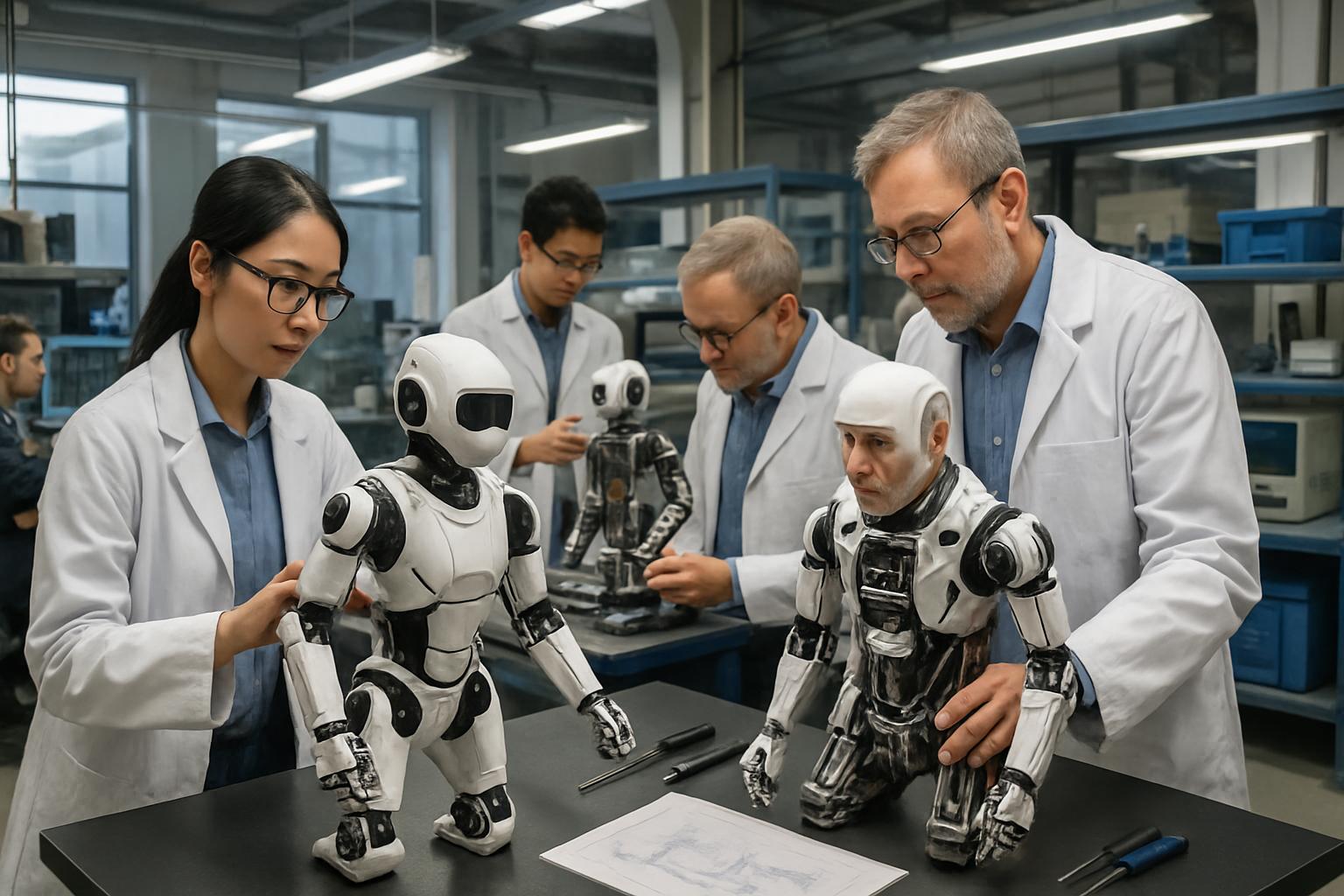
China’s supply chains compress timelines and costs. Unitree leverages vertically integrated partners that once served smartphones. Meanwhile, rival AgiBot leads with about 5,168 units, according to Omdia. Nevertheless, Unitree ranks a close second. The combined surge pushes the global Robotics Market toward exponential curves. Furthermore, Omdia projects tens of thousands more units by 2028. Those numbers shift boardroom conversations from pilots to deployment roadmaps.
Key catalysts fuel the acceleration:
- Lower price points around $16,000 for baseline G1 models
- Embodied AI frameworks that learn from fleet data
- Government incentives supporting advanced manufacturing zones
- High-profile media events driving consumer fascination
These factors intertwine to reshape expectations. Consequently, Western players must reassess timelines. The next section details Unitree’s specific production trajectory.
Unitree G1 Production Surge
Unitree unveiled the G1 at the World Robot Conference in August 2024. Subsequently, the company moved from pilot lines to mass production. On 22 January 2026, officials stated 2025 factory output exceeded 6,500 units. However, delivered shipments stood “above 5,500.” Omdia’s 4,200-unit figure differs, highlighting methodology gaps. In contrast, both sets prove scale.
The 35-kilogram G1 packs 23 degrees of freedom. EDU versions reach 43 joints and optional NVIDIA Jetson processing. Battery runtime averages two hours. Foldable legs ease logistics, reducing crate space and cost. Additionally, Unitree promotes an SDK and planned app store, courting developers worldwide.
Professionals can enhance their expertise with the Bitcoin Security™ certification. Engineering leaders increasingly value multidisciplinary credentials.
Unitree’s assembly cadence underpins market momentum. Nevertheless, affordability also matters, which the following section explores.
Pricing Drives Global Adoption
Hardware economics now rival software agility. The G1’s launch price shocked researchers accustomed to six-figure humanoids. Baseline units list near $16,000, while EDU variants climb toward $30,000. Moreover, component modularity lets laboratories start small and upgrade later.
Resellers report 2026 backlogs stretching several months. Consequently, secondary market premiums emerge, amplifying visibility. Meanwhile, corporate innovation centres buy multiple units for pilot warehouses. Unitree’s marketing emphasises “mass” rather than “luxury,” aligning with practical budgets.
Lower price tags expand the Robotics Market addressable base beyond elite labs. However, cost alone cannot guarantee success. Security and compliance remain critical, as outlined next.
Security And Regulatory Headwinds
Trust determines enterprise rollout speed. Earlier Go1 quadrupeds carried CVE-2025-2894, an undocumented remote tunnel. Although Unitree patched the flaw, regulators took notice. Consequently, some Western agencies demand penetration tests before approving new humanoid shipments.
Export controls intensify scrutiny of Chinese robotics technology. Moreover, U.S. lawmakers debate additional licensing requirements. Nevertheless, Chinese domestic demand cushions potential foreign restrictions. Unitree CEO Wang Xingxing argues embodied intelligence will dwarf mobile internet impacts. That optimism reverberates across investor decks.
Security diligence will shape procurement checklists. Therefore, vendors must document mitigations transparently. The next section dissects conflicting market numbers and why they matter.
Market Data Discrepancy Debate
Company press releases and analyst dashboards rarely align perfectly. Unitree cites “humanoid” shipments above 5,500 for 2025. Meanwhile, Omdia counts roughly 4,200. Definitions create the gap. Omdia excludes factory inventory and perhaps counts only customer-accepted devices. Additionally, Unitree aggregates multiple models, not solely G1.
Nevertheless, either figure secures a top-three global rank. AgiBot’s 5,168 units headline Omdia’s study, yet its public claims remain sparse. Consequently, headline writers risk misinterpretation. Journalists should request model-level splits before comparing production bragging rights.
Consider these cautionary notes:
- Clarify “output” versus delivered shipments
- Verify model names within totals
- Check research firm methodologies
- Cross-reference reseller inventory movements
These steps prevent misleading coverage. However, strategic implications extend beyond counting games, discussed finally below.
Strategic Outlook And Implications
Momentum now favours vendors with scale, ecosystem and capital. The Robotics Market will likely consolidate around leaders who iterate fastest. Furthermore, embodied AI models improve as fleets grow, creating flywheel advantages. Unitree, AgiBot, and a handful of peers already possess thousands of data-generating robots.
Western firms must accelerate or specialise. Partnerships with logistics providers, ageing-care networks, and defence contractors could offset volume gaps. Additionally, cross-licensing agreements may emerge as global standards solidify.
Investors should track three indicators: sustained low price curves, reliable security posture, and transparent shipments reporting. Consequently, stakeholders can gauge whether hype converts to durable revenue. These signals shape portfolio decisions heading into 2027.
This strategic lens closes the analysis. A succinct wrap-up follows.
Unitree transformed perception by scaling humanoids quickly. However, security, regulation, and data clarity remain pivotal. Stakeholders should monitor these levers while considering certification pathways that broaden expertise.
Consequently, readers gain both market insight and actionable next steps.
Conclusion
Unitree’s G1 surge illustrates China’s capacity to redefine the Robotics Market. Nevertheless, pricing leverage, security diligence, and transparent numbers will determine lasting leadership. Furthermore, global competition ensures rapid technical progress. Readers seeking an edge should pursue multidisciplinary learning. Therefore, consider advanced credentials such as the linked Bitcoin Security™ program to deepen risk awareness in connected robotics ecosystems. Act now to stay ahead of the curve.


