

AI CERTs
6 hours ago
Ukraine’s New AI Defense Technology Platform With Palantir
Missile warnings now arrive in seconds, not minutes. Consequently, Ukraine’s latest initiative promises even faster responses. On 20 January 2026, Kyiv unveiled Brave1 Dataroom, a secure environment built with Palantir software. The launch signals a pivotal leap in AI Defense Technology for a nation fighting daily drone assaults. Moreover, officials claim the platform will shorten development cycles for automated interceptors. International defence leaders are watching closely, as Brave1 could reshape Military R&D norms.
However, questions around governance and export controls persist. Therefore, this article dissects the partnership, architecture, opportunities, and caveats. Readers seeking strategic context will find clear answers below.
Frontline Data Partnership Launch
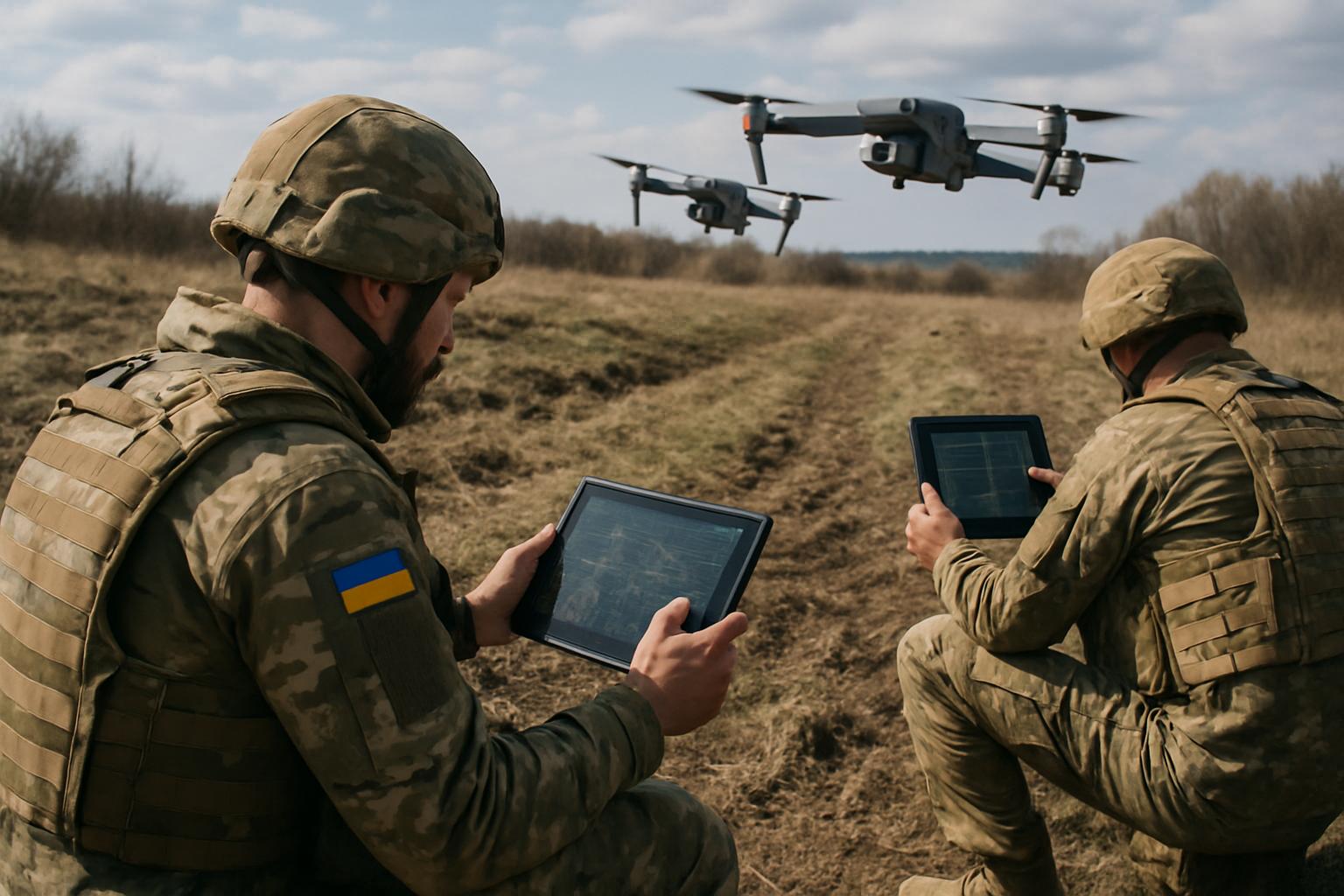
Brave1, the state-backed defence-tech cluster, coordinated the effort alongside the Ministries of Defence and Digital Transformation. Meanwhile, Palantir supplied its data integration stack. The announcement framed Brave1 Dataroom as Ukraine’s first institutional space where vetted engineers train models on curated frontline visuals and thermal feeds. Initial datasets focus on Shahed-type drones, which strike Ukrainian cities almost nightly.
Mykhailo Fedorov, Ukraine’s Defence Minister, declared, “AI based on real war data will help intercept enemy drones and protect Ukrainian airspace.” Subsequently, regional outlets amplified the statement. Four years after ad-hoc hacking collectives emerged, the government now offers an official sandbox. That move professionalises domestic AI Defense Technology work.
International media quickly labelled the effort “Palantir Ukraine,” highlighting the U.S. firm’s growing battlefield role. Nevertheless, access remains limited to Ukrainian companies that clear security vetting. These restrictions aim to prevent sensitive intelligence leaks.
The partnership delivers three core benefits. First, it accelerates model validation. Second, it standardises data governance. Third, it attracts venture attention to Ukraine’s defence start-ups. In contrast, earlier projects lacked unified oversight. These gains set the tone for subsequent sections.
Platform Architecture Technical Details
Officials revealed few technical specifics. Nevertheless, interviews with Louis Mosley, Palantir’s EVP Europe, supply clues. Palantir’s Foundry environment underpins ingestion, cleansing, and lineage tracking. Moreover, Gotham-style access controls tag every datum for classification compliance. Consequently, engineers run experiments without touching raw feeds.
Core Palantir Software Stack
The stack integrates sensor metadata, geospatial layers, and model output dashboards. Additionally, built-in audit logs document each query. That transparency supports eventual allied audits. Palantir Ukraine engineers embedded pre-configured notebooks so smaller firms avoid heavyweight DevOps work. Furthermore, inference pipelines export compact weights ready for edge drones.
Compute location remains undisclosed. Industry insiders suggest on-premise racks inside hardened Kyiv facilities. However, hybrid cloud bursts could appear later, pending export-control reviews. Regardless, the modular design matches rapid frontline needs and sustains stringent Military AI policies.
This infrastructure matters because robust pipelines convert messy combat footage into disciplined AI artefacts. Therefore, Ukraine positions itself as a scalable testbed for cutting-edge AI Defense Technology.
Key Operational Use Cases
Developers inside Brave1 Dataroom pursue multiple missions. Foremost, they train computer-vision models to spot Shahed drones under low-light conditions. Additionally, teams refine classification algorithms that distinguish friendly UAVs from Russian loitering munitions. Other projects explore thermal cues for mortar plume detection.
- 90 percent faster dataset labeling versus manual efforts reported in field trials.
- Up to 40 percent improvement in drone interception accuracy during simulated engagements.
- Near-real-time model redeployment cycles, shrinking from days to hours.
Moreover, ground units can sideload vetted weights onto mobile command tablets. Consequently, human operators receive instant threat boxes overlaying live camera feeds. Such pragmatic integrations illustrate Military AI maturity levels now emerging inside Ukraine.
These advances illustrate tangible battlefield gains. However, they also intensify demand for skilled talent. Professionals can enhance their expertise with the AI Human Resources™ certification.
Enhanced speed and accuracy underscore Brave1’s operational value. Nevertheless, success hinges on strict safeguards, examined next.
Governance And Security Measures
Every dataset enters a classification triage pipeline. Subsequently, metadata tags restrict who may view or export entries. Ukrainian military officers oversee the process, ensuring legal compliance.
Strict Data Access Controls
Each applicant undergoes background checks and infrastructure audits. Furthermore, encryption keys rotate daily. In contrast, earlier volunteer platforms operated on trust alone. Therefore, Brave1 represents a policy milestone.
Potential Allied Sharing Plans
Officials hinted at future allied access. Nevertheless, no timeline exists. Governance frameworks must address NATO export regulations and Ukrainian sovereignty concerns first. Consequently, current focus remains national.
Tight control reduces espionage risks. However, some analysts warn about over-centralisation slowing innovation. These debates feed into broader ecosystem dynamics discussed below.
Ukrainian Industry And Ecosystem
Brave1 already spans 1,500 innovators and 540 grants. Moreover, venture capital inflows grew 35 percent year-on-year, despite wartime turbulence. As AI Defense Technology matures, domestic suppliers gain credibility.
Start-ups using Brave1 Dataroom attract global media, fuelling what reporters dub the “Palantir Ukraine effect.” Additionally, Military AI accelerators in Lviv and Dnipro recruit graduates for drone AI projects. Consequently, a resilient talent pipeline forms.
Industry growth dovetails with Ukraine’s ambition to export validated algorithms under license. However, policymakers must balance profit motives against non-proliferation duties. The following section assesses associated perils.
Risks And Future Outlook
Data leakage remains the most cited threat. In contrast, governance gaps around autonomous lethal decision authority generate equal concern. Moreover, dependence on a U.S. vendor invites geopolitical leverage risks.
Nevertheless, advocates argue that transparent partnerships build trust faster than secretive wartime hacks. Subsequently, Palantir announced plans to open-source selected schema libraries, easing vendor lock-in fears.
Looking ahead, officials plan to expand datasets into artillery acoustics and maritime radar. Furthermore, legislators draft bills defining human-in-the-loop requirements for future autonomous interceptors. Success will require continuous testing, policy agility, and responsible AI Defense Technology leadership.
These developments illuminate both promise and peril. However, Ukraine’s measured roadmap suggests calculated optimism.
Conclusion
Ukraine’s Brave1 Dataroom fuses battlefield data with Palantir engineering, delivering rapid innovation in AI Defense Technology. Consequently, interceptor drones learn faster, and developers operate inside secure guardrails. Moreover, the ecosystem attracts fresh capital and talent while testing new Military AI governance models. Nevertheless, unresolved issues around export controls, data residency, and algorithmic accountability demand vigilance. Professionally minded readers should monitor ensuing policy releases and consider specialised credentials. Therefore, explore advanced learning paths and gain a strategic edge today.


