

AI CERTS
2 hours ago
U.S. Veto Over Global Chip Export Reshapes Tech Geopolitics
Recent Policy Shift Overview
January 2026 delivered three pivotal actions. First, the Commerce Department moved high-performance AI chips from “presumption of denial” to case-by-case review. Second, a Section-232 proclamation imposed a 25 percent duty on matching hardware. Third, Congress advanced bills granting itself Veto power over sensitive licenses. Collectively, these steps extend U.S. reach across every Global Chip Export, even when products ship from foreign foundries.
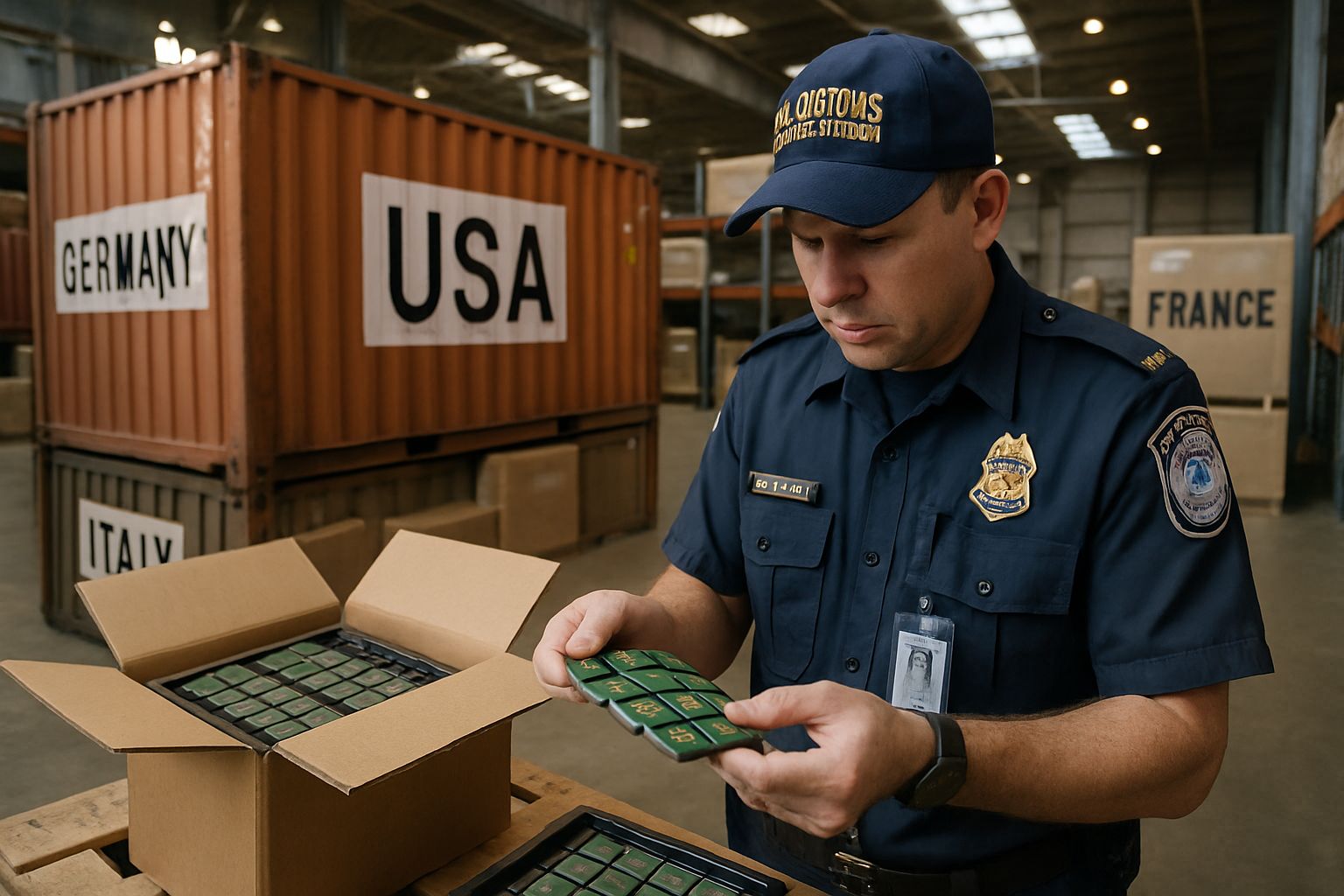
Export lawyers stress the Foreign Direct Product Rule (FDPR) underpins that reach. Consequently, suppliers like TSMC, Samsung, and SK Hynix now renew site licenses annually. Furthermore, equipment makers such as ASML and Applied Materials must certify non-diversion at each delivery.
These changes form a durable scaffold. However, execution details still evolve through Federal Register notices and agency FAQs.
The section underscores Washington’s momentum. Nevertheless, deeper legal mechanics require scrutiny. Therefore, the next part dissects the enabling tools.
Legal Tools Enabling Control
BIS now evaluates license requests using four pillars: U.S. supply sufficiency, third-party testing, recipient security controls, and foundry capacity management. Moreover, exporters face the new tariff layer, which adds cost uncertainty to every Global Chip Export. Analysts note that cost shock strengthens political leverage.
Congressional bills may tighten the vice further. Draft text proposes a 30-day window allowing lawmakers to nullify any license by joint resolution. In contrast, earlier regimes relied solely on executive discretion. Observers label this potential dual gate as unprecedented Veto power.
Legal scholars emphasize FDPR’s extraterritorial bite. Therefore, even chips assembled in Taiwan can trigger U.S. jurisdiction if design software or tooling contains controlled technology.
These instruments intertwine law and economics. Consequently, corporate counsel warn of rising compliance budgets.
Complex rules drive market anxiety. However, the technical thresholds offer a concrete measuring stick, discussed next.
Technical Thresholds Explained Clearly
The January rule sets numeric gates for AI accelerators. Total Processing Performance must stay below 21,000. Additionally, total DRAM bandwidth must remain under 6,500 GB/s. Nvidia’s H200 and AMD’s MI325X sit squarely inside that envelope. Therefore, each shipment of those flagships becomes a high-stakes Global Chip Export.
Vendors must submit test reports from approved U.S. labs. Moreover, they must certify monthly inventory and commit to onsite audits. Consequently, lawyers caution that one mislabeled pallet could jeopardize future approvals.
Threshold clarity aids planning. Nevertheless, hardware roadmaps evolve quickly. The next generation may breach limits within months.
This subsection framed the quantitative triggers. Subsequently, attention shifts to market reactions.
Industry Impact And Response
Chipmakers and customers recalibrate strategies. Nvidia, for instance, now segments product lines for licensed destinations. AMD mirrors that tactic, emphasizing “international” variants with throttled performance. Meanwhile, Chinese hyperscalers stockpile approved inventory, wary of sudden denials.
Key supply-chain effects include:
- Additional 25 percent landed cost on qualifying hardware
- Annual license renewals for major Chinese fabs
- Extended lead times caused by documentation reviews
- Increased demand for domestic Chinese accelerators
Consequently, some forecasts cut 2026 server shipments by two percent. Furthermore, equipment vendors report slipping installation schedules.
Industry leaders voice mixed views. Nvidia stresses global demand resilience but concedes higher overhead. AMD flags alignment with U.S. policy yet warns against unpredictable tariff escalations. Suppliers fear that reinforced U.S. Geopolitics could fragment standards.
These reactions reveal immediate friction. However, the broader strategic picture carries longer shadows.
The section highlighted commercial adaptation. Nevertheless, geopolitical currents continue shaping outcomes. Hence, the next part explores systemic ramifications.
Strategic Global Ramifications Unfold
Washington’s assertiveness ripples far beyond customs stations. Allies such as the Netherlands and Japan cooperate selectively, mindful of domestic industry stakes. Beijing counters with rare-earth quotas and subsidized R&D. Moreover, the European Union debates strategic autonomy, citing escalating Geopolitics.
Analysts argue that America’s de facto Veto power over Global Chip Export flows grants leverage during diplomatic standoffs. Consequently, tech supply chains become bargaining chips in broader security dialogues.
However, enforcement gaps persist. Transshipment through third-country distributors remains difficult to police. Additionally, cloud access to offshore compute blurs hardware boundaries.
Strategic tensions intensify. Nevertheless, coordination forums like the Wassenaar Arrangement may offer partial alignment.
This part showed high-level stakes. Therefore, compliance pathways deserve closer inspection next.
Compliance And Certification Pathways
Firms now embed export control officers inside product teams. Detailed item classifications, KYC checks, and end-use affidavits become routine. Furthermore, professionals can sharpen expertise through the AI Essentials for Everyone™ certification.
Automated dashboards track every Global Chip Export against performance thresholds. Additionally, outside auditors validate testing data before submission. Consequently, documentation cycles extend design-to-ship timelines by several weeks.
Compliance spending rises, yet missteps remain costly. One revoked license could stall multimillion-dollar capacity. Therefore, boards demand periodic readiness drills.
This section offered practical guidance. Subsequently, attention turns to upcoming milestones.
What Comes Next Globally
Several dates loom. Commerce will publish lab accreditation lists within months. Meanwhile, Congress may vote on the AI Overwatch Act before summer recess. Moreover, BIS could adjust performance metrics as Nvidia and AMD unveil successors.
Outside the United States, allied capitals weigh synchronized controls. In contrast, some may craft carve-outs to shield domestic champions. Beijing will likely deploy reciprocal levers if denials spike.
Forecasting remains fluid. Nevertheless, each Global Chip Export request now functions as a geopolitical pulse check.
This closing section mapped future flashpoints. Therefore, a concise recap follows.
Conclusion
Recent U.S. actions fuse tariffs, licensing, and congressional oversight into potent Veto power. As a result, Global Chip Export flows face higher costs, tighter scrutiny, and acute geopolitical scrutiny. Nvidia and AMD adapt portfolios while allies debate alignment. Transition pathways depend on evolving thresholds, legislative moves, and diplomatic give-and-take.
Professionals must track Federal Register updates, monitor congressional calendars, and refine compliance programs. Moreover, continued learning through certifications strengthens institutional resilience. Consequently, readers should explore the linked program and stay informed as supply-chain dynamics shift.


