

AI CERTS
3 hours ago
U.S. Tech Censorship Ban Triggers European Diplomatic Clash
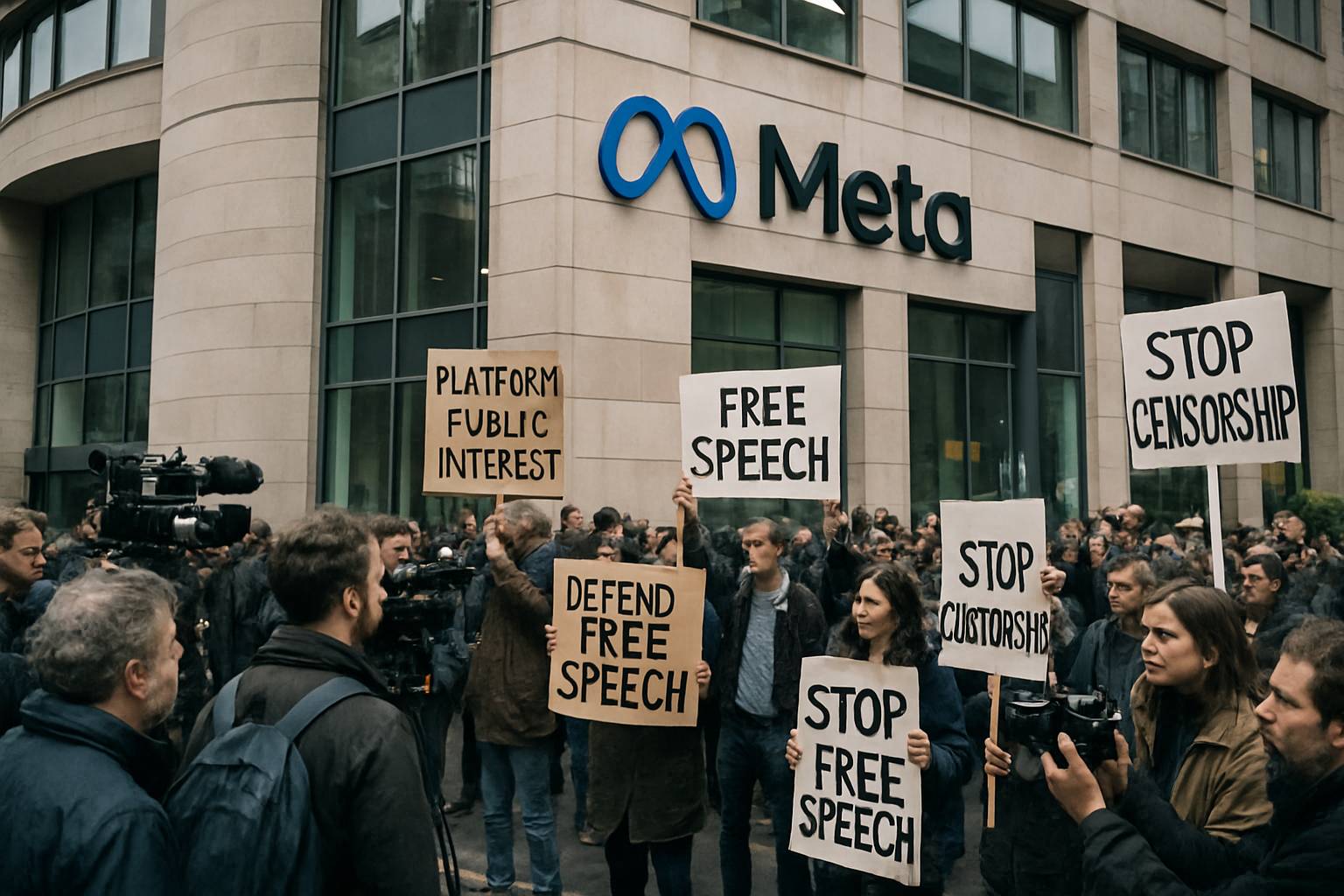
Consequently, governments, platforms, and investors rushed to assess potential collateral damage.
At the center sits the State Department, wielding a new visa-restriction tool created earlier in 2025.
Meanwhile, Brussels defends its Digital Services Act and condemns what it sees as ideological overreach.
Industry executives fear regulatory fragmentation will increase compliance costs and heighten legal uncertainty.
Civil-society actors warn the ban could chill research on disinformation and online harms.
Nevertheless, Washington argues the measure protects constitutional speech rights from foreign coercion.
This article unpacks facts, reactions, and strategic implications behind the escalating standoff.
Ultimately, the Tech Censorship Ban could redefine digital sovereignty norms.
Tech Censorship Ban Fallout
European Commissioner turned consultant Thierry Breton tops the list of barred figures.
Additionally, NGO leaders Imran Ahmed, Clare Melford, Josephine Ballon, and Anna-Lena von Hodenberg face identical restrictions.
U.S. officials accuse them of orchestrating coordinated pressure campaigns that allegedly coerced American platforms.
In contrast, the named Europeans describe the claims as baseless.
They insist their work merely enforces democratically approved Censorship safeguards against hate and disinformation.
For Brussels, the Tech Censorship Ban feels like a direct attack on its legislative autonomy.
The fallout highlights divergent definitions of legitimate moderation versus suppression.
However, deeper policy mechanisms require scrutiny, which the next section provides.
Policy Tools And Rationale
The State Department invoked a May 2025 visa policy allowing entry denials for foreign Censorship actions.
Moreover, Under Secretary Sarah Rogers labeled the targeted network a “censorship-NGO ecosystem.”
Officials claim the tool deters extraterritorial regulation without resorting to trade retaliation.
- Individuals barred: 5
- Policy basis: 2025 visa restrictions
- Recent trigger: €120 million DSA fine on X
- Covered speech: content protected by U.S. First Amendment
Consequently, analysts view the Tech Censorship Ban as a calibrated warning shot to regulators worldwide.
Yet some legal scholars question whether visa sanctions can meaningfully protect domestic speech.
These insights reveal Washington’s preferred pressure levers.
Meanwhile, the European response signals the dispute is far from resolved.
European Pushback Intensifies Rapidly
French President Emmanuel Macron publicly condemned the restrictions within hours.
Similarly, Germany called them disproportionate and provocative.
Moreover, the European Commission demanded formal clarification.
Many Europeans argue the Digital Services Act respects speech while curbing harmful content.
They frame U.S. allegations as a misreading of EU law.
Nevertheless, Brussels is preparing contingency measures, including reciprocal visa scrutiny.
Diplomats warn escalation could spill into trade talks and data transfer agreements.
Therefore, tech companies await Brussels’ next move with unease.
These challenges highlight critical gaps.
However, understanding platform liability provides essential context for countermeasures.
Platform Liability Context Explained
The Digital Services Act subjects very large platforms to strict transparency and risk-mitigation duties.
Consequently, companies like X, Meta, and Google face heavy fines for non-compliance.
December’s €120 million penalty against X exemplifies those stakes.
Critics inside Washington claim EU penalties indirectly force global rule changes.
They argue platforms simplify operations by applying European standards everywhere, effectively exporting Censorship.
In contrast, EU officials reject that characterization.
The Tech Censorship Ban thus becomes both symbol and shield.
It signals that Washington will oppose rule spillovers through unconventional means.
Platform incentives now sit between conflicting legal systems.
Moreover, that tension fuels diplomatic risk, our next topic.
Diplomatic And Business Risks
Visa friction might appear symbolic, yet precedent suggests escalation can follow quickly.
Previously, reciprocal entry bans snowballed into tech export controls.
Consequently, executives wonder whether data-flow accords or antitrust negotiations will stall.
Markets priced in the Tech Censorship Ban within minutes, cutting valuations for ad-dependent firms.
Investors already discount European exposure for major U.S. platforms.
Meanwhile, compliance teams model divergent content policies for each market.
Such fragmentation increases moderation costs, legal exposure, and brand risk.
The State Department signaled more names might follow if pressure persists.
Elevated uncertainty weighs on innovation pipelines for startups and incumbents.
However, strategic choices remain, as the following section outlines.
Strategic Moves Considered Ahead
Legal experts urge both sides to pursue joint clarification of jurisdiction.
Additionally, observers suggest creating a safe-harbor for transatlantic data flows.
- Issue joint statement limiting retaliatory measures.
- Convene expert panel on cross-border speech rights.
- Align transparency reporting templates to reduce duplication.
Subsequently, sustained dialogue could prevent business disruption.
Nevertheless, each capital also prepares unilateral options if talks collapse.
The Tech Censorship Ban remains leverage for Washington.
Europe retains regulatory power through the DSA and market access.
Professionals monitoring policy shifts should also consider upskilling for governmental AI oversight.
Certification Skills Path Forward
Policy analysts, compliance officers, and technologists require current expertise to navigate evolving rules.
Therefore, professionals can enhance their expertise with the AI+ Government™ certification.
The program covers algorithmic accountability, risk assessment, and cross-jurisdiction governance.
Furthermore, acquiring formal credentials boosts credibility during stakeholder negotiations.
Mastering governance concepts clarifies why the Tech Censorship Ban matters for algorithmic oversight.
Capability building complements legal strategies by fostering informed dialogue.
Consequently, trained specialists help organizations adapt quickly.
The State Department’s unprecedented move has set a defining precedent.
Across the Atlantic, many Europeans debate proportionality, sovereignty, and speech protections.
Meanwhile, businesses confront rising compliance burdens and volatile market signals.
The Tech Censorship Ban underscores widening philosophical divides over platform governance.
Nevertheless, coordinated diplomacy, practical risk management, and advanced training can still avert deeper fragmentation.
Stakeholders should track ongoing negotiations, prepare adaptive strategies, and pursue credible certifications.
Take decisive action now—build expertise, monitor policy updates, and position your organization for resilient growth.


