

AI CERTS
4 hours ago
U-NEXT Deal Signals Media M&A Growth Momentum
Analysts already cite the announcement as another driver of Media M&A Growth within Asia’s entertainment sector. Moreover, the move highlights how subscription video platforms diversify beyond screens and into physical venues.
However, corporate integrations carry hurdles. Licensing complexity, cultural gaps, and price scrutiny can slow returns. Consequently, executives and investors alike need a clear view of the transaction’s mechanics, upside, and risks. This report dissects the numbers, strategy, and market context surrounding the U-NEXT–Exing agreement. Throughout, we show how the deal could reshape competition while sustaining Media M&A Growth in a crowded digital economy.
Deal Snapshot And Details
On 24 December 2025, the U-NEXT board approved the share transfer agreement. Subsequently, the company announced it will buy 48,969,000 Exing shares, equal to 70 percent of issued stock, from Brother Industries. The remaining 30 percent will stay with Brother, making the karaoke firm an associate for the manufacturer.
The cash consideration totals ¥17.5 billion, with roughly ¥250 million allocated to advisory expenses. Therefore, the aggregate price reaches ¥17.75 billion. Closing is planned for 1 April 2026, subject to customary approvals. Meanwhile, Exing will become a consolidated subsidiary, allowing the group to fold its results into accounts. Observers regard this consolidation as a textbook case of Media M&A Growth creating scale quickly.
In summary, the headline figures show decisive capital deployment and clear governance control. Nevertheless, financial metrics alone cannot explain strategic intent. The next section unpacks valuation context.
Financial Metrics In Context
Financial disclosures provide a snapshot of Exing’s health. During fiscal 2025, the karaoke provider generated ¥27.708 billion in standalone revenue and ¥1.725 billion in operating profit. Total group assets reached ¥32.954 billion.
Consequently, the buyer is paying roughly 10.3-times operating profit for its stake. In contrast, Japanese entertainment deals from 2023–2025 traded between eight and twelve times profit. The purchase therefore sits near the midpoint, aligning with recent Media M&A Growth benchmarks.
- Revenue multiple: ~0.64× sales
- Operating profit multiple: ~10.3× earnings
- Ownership change: 70 percent to the buyer, 30 percent to Brother
- Expected consolidation date: 1 April 2026
Analysts emphasise balance-sheet impact. Moreover, the buyer will finance the deal with existing cash, limiting interest expense. That conservative structure reassures investors tracking sector momentum across volatile credit markets.
These ratios suggest a disciplined yet ambitious valuation stance. However, understanding strategic synergy explains why management accepted this price.
Strategic Rationale Explored Further
The streaming platform already offers more than 420,000 videos. Meanwhile, exing controls a karaoke library exceeding 420,000 songs. Bringing these archives together creates cross-media experiences that support Media M&A Growth by blending passive viewing and active performance.
Additionally, the streaming platform serves over five million domestic subscribers, while the karaoke provider supplies venues nationwide. Consequently, the buyer can cross-sell subscriptions, live viewing rights, and hardware upgrades through a single commercial funnel.
Brother will keep a minority stake, preserving manufacturing partnerships for karaoke hardware. Therefore, supply-chain disruption risk remains limited. Executives believe this hybrid ownership fosters collaborative product development without diluting control.
Strategic complementarity appears strong on paper. Nevertheless, real value depends on successful execution across complex B2B channels. The next section reviews those channels in detail.
B2B Synergy Channel Opportunities
Exing services karaoke boxes, restaurants, hotels, and care facilities. Furthermore, the buyer claims an 860,000-facility distribution footprint for broadband, energy, and video products. Combining these networks accelerates consolidation momentum by bundling content, connectivity, and equipment.
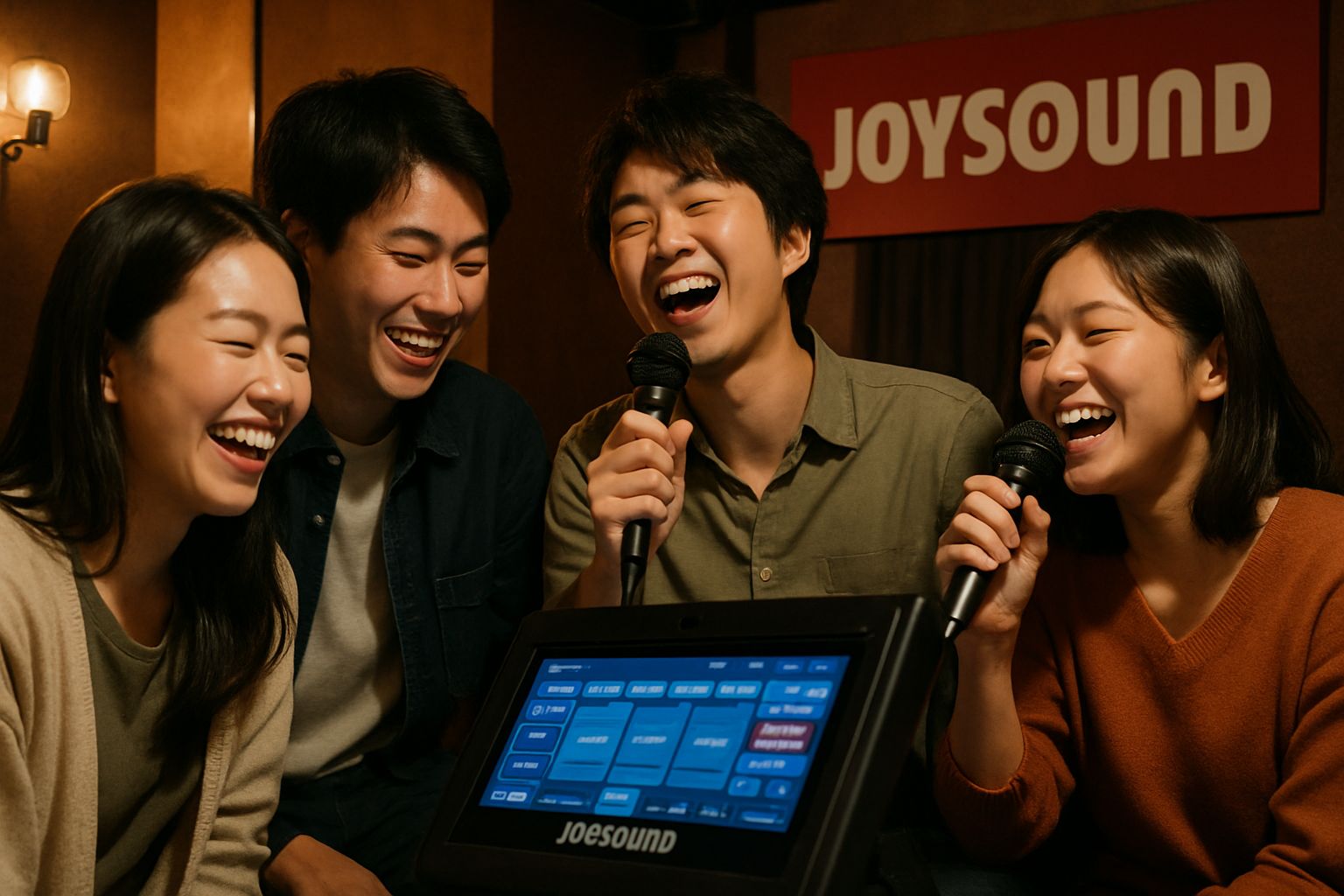
The companies outline three near-term initiatives. Firstly, integrate live sports streaming into JOYSOUND terminals. Secondly, deploy karaoke functionality inside the streaming app. Thirdly, offer venue clients unified billing for hardware, rights, and broadband.
Consequently, sales teams will approach hospitality operators with a one-stop solution. In contrast, competitors still rely on fragmented offerings. Early mover advantage could translate into higher average revenue per location.
Cross-selling appears straightforward when customers overlap. However, technical integration remains challenging. The following section assesses operational hurdles.
Risks And Integration Hurdles
Merging a hardware-centric firm with a software-heavy streamer invites cultural friction. Additionally, licensing for music, video, and performance rights differs across consumer and venue markets.
Moreover, regulators must approve the share transfer. Delays could shift the closing timeline and hamper Media M&A Growth momentum.
Cost management also matters. Integration may demand new middleware, joint support centers, and staff training. Consequently, synergy timelines could slip if capital outlays rise.
These challenges highlight execution risk that can erode returns. Nevertheless, clear mitigation plans and shared incentives can keep the timetable intact. Our analysis now shifts to the wider market backdrop.
Market Trend Analysis Context
Japan’s entertainment market has witnessed a string of platform-plus-venue deals since 2024. The streaming group acquired sports rights distributor last year. Similarly, other regional streamers now seek physical touchpoints, underscoring Media M&A Growth as a strategic imperative.
In contrast, pure-play subscription models struggle with churn and rising content costs. Therefore, diversified revenue, including licensing, events, and hardware, becomes attractive.
Industry consultants forecast karaoke venue digitalisation spending to grow six percent annually through 2028. Consequently, the subsidiary’s installed base offers a ready channel for innovation pilots.
Market data confirm favourable tailwinds for hybrid models. Subsequently, the outlook section considers performance indicators and timelines.
Outlook And Next Steps
Closing the transaction on schedule will trigger immediate financial consolidation for fiscal 2026. Additionally, management promised updated guidance once approvals arrive.
Key indicators over the next 12 months include subscriber churn, venue contract renewals, and blended gross margin. Furthermore, analysts will scrutinise synergy capture against the Media M&A Growth narrative promoted during the announcement.
Professionals can enhance their expertise with the AI Executive Essentials™ certification. The program covers valuation, integration, and analytics required for complex deals.
Execution metrics will determine whether strategic promises translate into earnings. Nevertheless, early alignment suggests favourable odds.
Overall, the bid for the target represents a calculated expansion into experiential entertainment. The ¥17.75 billion price positions the group to harness venue demand while diversifying revenue. Moreover, the partnership with Brother safeguards hardware supply and institutional knowledge. However, integration, licensing, and regulatory speed remain watchpoints. Consequently, investors should monitor synergy milestones and capital discipline. Readers seeking to deepen deal-making skills should explore advanced certifications and watch for further consolidation waves.


