

AI CERTS
3 hours ago
Trump’s AI Order Tests Federal Preemption Policy Across States
Meanwhile, governors and lawmakers warned of aggressive federal overreach. Legal experts predicted months of constitutional battles over federal authority. Furthermore, analysts flagged immediate grant and enforcement risks for states refusing alignment. This article unpacks the order’s tools, timelines, and probable ramifications for business strategy. Readers will also find actionable guidance for navigating the fast-shifting regulatory landscape.
EO Rewrites Compliance Map
Firstly, the White House argues the AI patchwork has reached a breaking point. Officials claim state lawmakers introduced over 1,000 bills spanning disclosure, bias, and licensing. Moreover, advisers insist a unified standard will accelerate deployment and lessen costs.
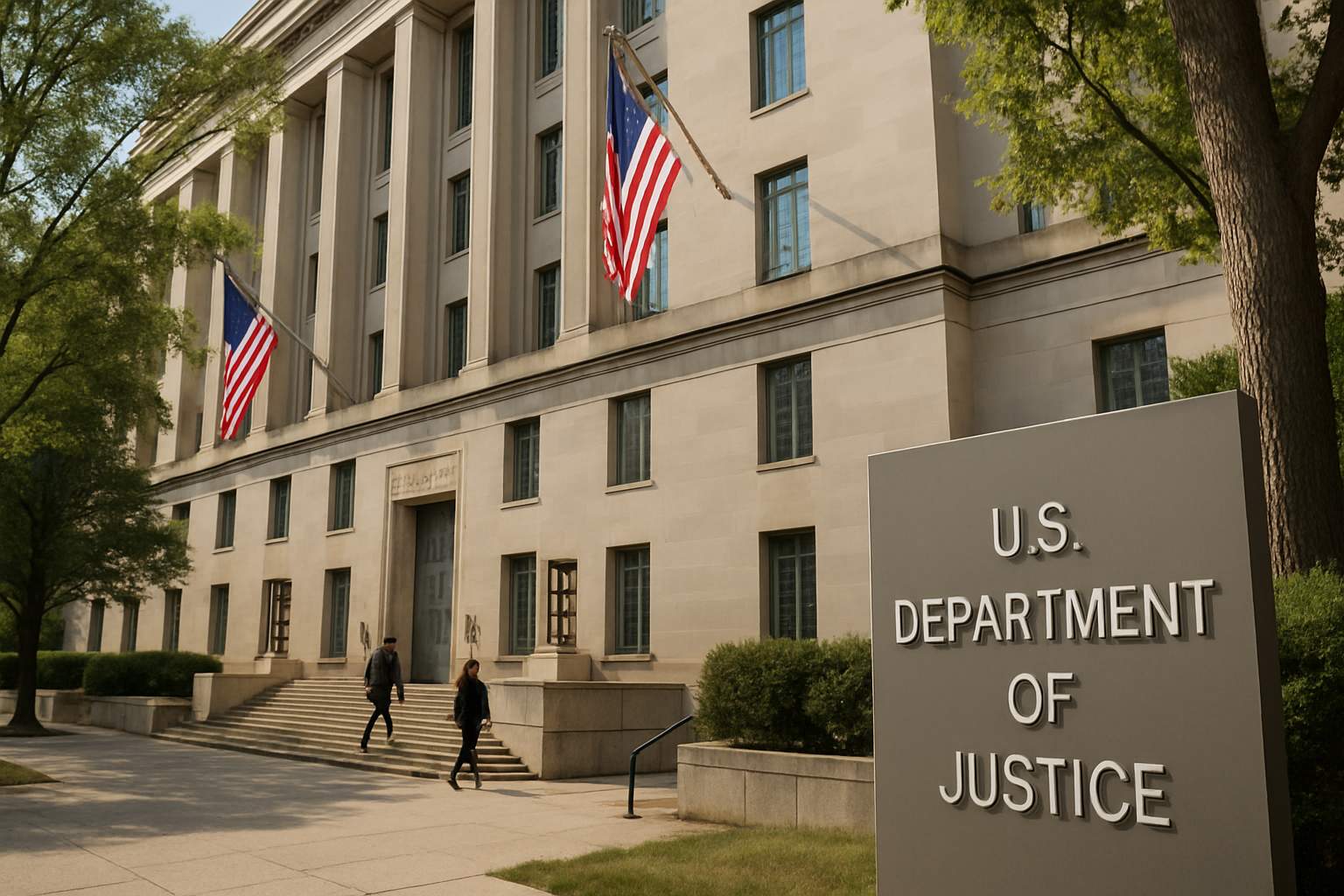
The order positions the new Federal Preemption Policy as the main solution. Nevertheless, critics counter that an executive order alone lacks express statutory weight. In contrast, they note courts must still balance state interests against federal authority.
Key differences now targeted include:
- Comprehensive algorithmic accountability laws in Colorado and California
- Sector-specific rules covering healthcare, employment, and deepfakes
- Disclosure mandates that exceed upcoming federal guidance
These contrasts illustrate why companies fear inconsistent duties. However, state leaders view diversity as innovation’s safeguard. The diverging philosophies signal intense negotiation ahead. Accordingly, businesses should track each state’s response in real time.
Uniform provisions could streamline compliance. Yet, enduring tensions remain. Consequently, the next section examines grant leverage as a powerful enforcement tool.
Grant Leverage Raises Stakes
Commerce received orders to scrutinize BEAD funding eligibility. Therefore, states with restrictive AI laws risk losing broadband dollars. Additionally, other discretionary grants may carry similar strings.
Industry counsel warns that withholding resources may effectively coerce policy shifts. Meanwhile, governors label the tactic punitive and shortsighted. Nevertheless, the administration frames financial pressure as faster than new legislation.
The Federal Preemption Policy surfaces again within these fiscal levers. Furthermore, the White House contends such measures rest on existing federal authority. Observers predict rapid administrative challenges once guidelines appear.
Businesses building rural networks must now assess dual risks: technical delays and policy backlash. Consequently, supply-chain timelines could tighten. These funding dynamics heighten urgency for coordinated advocacy. Yet, the real legal testing ground remains courtrooms. The forthcoming task force illustrates that pivot.
Litigation Task Force Moves
Within 30 days, DOJ must create an AI Litigation Task Force. Subsequently, that unit will target laws deemed “onerous.” Attorneys anticipate initial filings against Colorado or California.
The strategy blends offensive and defensive postures. Offensively, federal lawyers may sue to enjoin enforcement. Defensively, they will back companies facing state investigations.
Litigation volumes will surge. Consequently, docket congestion may slow precedential clarity. Moreover, costs for all parties will mount. Still, the White House bets that court victories will validate the Federal Preemption Policy and reinforce federal authority.
Early rulings could arrive by late summer. Nevertheless, appellate pathways guarantee extended uncertainty. These timelines push agencies to secure alternative preemption routes in parallel.
Court clashes will define practical boundaries. Yet, agencies wield complementary powers. The next section explores those regulatory avenues.
Agency Routes To Preempt
FTC and FCC received 90-day deadlines for policy statements. Specifically, FTC will clarify when Section 5 overrides conflicting mandates. Meanwhile, FCC may craft a national AI disclosure rule.
Such guidance can trigger implied preemption. Furthermore, it supplies courts with authoritative interpretations. However, administrative rules invite Administrative Procedure Act challenges. Opponents will contest scope, process, and economic analysis.
The Federal Preemption Policy appears twice in the draft outlines circulated to stakeholders. Consequently, agencies must thread the needle between minimal burden and robust consumer protection.
Industry groups applaud unified rules. In contrast, privacy advocates warn of watered-down standards. Additionally, many scholars argue only Congress can settle durable questions of federal authority.
Regulatory statements could reshape compliance calendars quickly. Yet, state coalitions remain prepared for countersuits. Therefore, the spotlight now shifts to political resistance outside Washington.
State Leaders Push Back
NCSL and municipal groups issued a joint statement opposing preemption efforts. Moreover, Colorado officials vowed immediate litigation if grants are withheld. California lawmakers echoed that pledge.
Advocates argue the executive order favors Big Tech over local accountability. Nevertheless, some states might accept incentives rather than fight. The diverse responses could fracture a previously united front.
Critics emphasize that litigation costs strain public budgets. Furthermore, victories are uncertain. Yet, many leaders prioritize resident protections over financial risk.
These stances complicate corporate planning. Consequently, businesses must monitor each jurisdiction’s rhetoric and legislative calendars. The Federal Preemption Policy remains the central flashpoint shaping those debates.
Political resistance underscores the landscape’s volatility. However, enterprises still need concrete compliance steps. The next section provides such guidance.
Compliance Guidance For Firms
Corporate counsel should map state statutes against emerging federal timelines. Additionally, firms must budget for simultaneous enforcement scenarios.
Recommended actions include:
- Create a cross-functional AI risk register updated monthly
- Track BEAD funding notices for conditional language
- Engage trade associations lobbying on federal authority questions
- Prepare disclosure templates aligned with draft FTC guidance
Professionals can enhance their expertise with the AI Government™ Specialist certification. Moreover, tailored coursework clarifies regulatory design and Federal Preemption Policy mechanics.
Consequently, trained teams respond faster to policy shifts. DOJ inquiries, grant audits, and private litigation all demand calibrated documentation. Therefore, workforce upskilling remains a sound investment.
Effective governance today preserves strategic flexibility tomorrow. Yet, mastering today’s complexity requires awareness of the broader policy horizon. The final section analyzes that outlook.
Outlook For AI Governance
Analysts foresee protracted uncertainty. Nevertheless, they agree the United States is inching toward a baseline national guardrail.
Should courts bless portions of the order, the Federal Preemption Policy might crystallize. Conversely, sweeping defeats could energize congressional negotiations. Either scenario elevates the importance of clear federal authority.
Meanwhile, agencies will continue refining rules. Furthermore, market pressure encourages voluntary alignment with anticipated standards, reducing eventual disruption.
Consequently, proactive compliance offers competitive advantage. Firms that invest early will navigate less chaos when definitive mandates land.
In summary, the next 18 months will decide whether BEAD funding leverage, DOJ lawsuits, and agency rulemaking can tame the state patchwork. Nevertheless, adaptive governance and continuous education remain the safest bets.
Therefore, senior leaders should monitor court dockets, comment on agency proposals, and train staff through accredited programs. Taking these steps positions enterprises to thrive regardless of final outcomes.
Ultimately, informed action today protects innovation tomorrow. Engage with certifications, follow policy alerts, and stay ahead of the curve.


