

AI CERTs
5 hours ago
Trump Energy Deal Reshapes AI Energy Funding
Household electricity bills rarely trend in national headlines. However, that changed on 4 March 2026. Seven AI titans signed the White House’s Ratepayer Protection Pledge. The agreement is better known by pundits as the Trump Energy Deal. It promises that data-center energy costs will not land on consumer invoices. Under the pledge, Amazon, Google, Meta, Microsoft, OpenAI, Oracle, and xAI must build, bring, or buy new generation. They must also pay for related Infrastructure directly. Consequently, the administration framed the commitment as relief for families worried about soaring Power demand from artificial intelligence. Meanwhile, industry analysts noted the voluntary nature of the document. They questioned its enforceability and timing. Big Tech defenders countered that existing clean-energy contracts prove their sincerity. The following analysis unpacks what the Trump Energy Deal covers. It explains why electricity demand is exploding and which regulatory levers matter next.
Pledge Sets New Norms
Supporters describe the pledge as a market signal stronger than any voluntary letter to regulators. Companies agree to procure or produce dedicated Power and to reimburse utilities for transmission upgrades. Furthermore, they will negotiate unique tariffs that separate their enormous loads from residential classes. Consequently, consumer advocates welcomed language that prevents cost shifting. However, the document remains a promise rather than a contract enforceable by the Federal Energy Regulatory Commission. White House officials branded the package the Trump Energy Deal to align it with the administration’s affordability narrative. In contrast, several state regulators observed that rate cases still occur locally. Nevertheless, the framework could shape future corporate Infrastructure contributions if implementation proves possible. The pledge introduces clear cost-allocation norms and marketing flair. However, real influence depends on demand trends, examined next.
Rising Data Center Demand
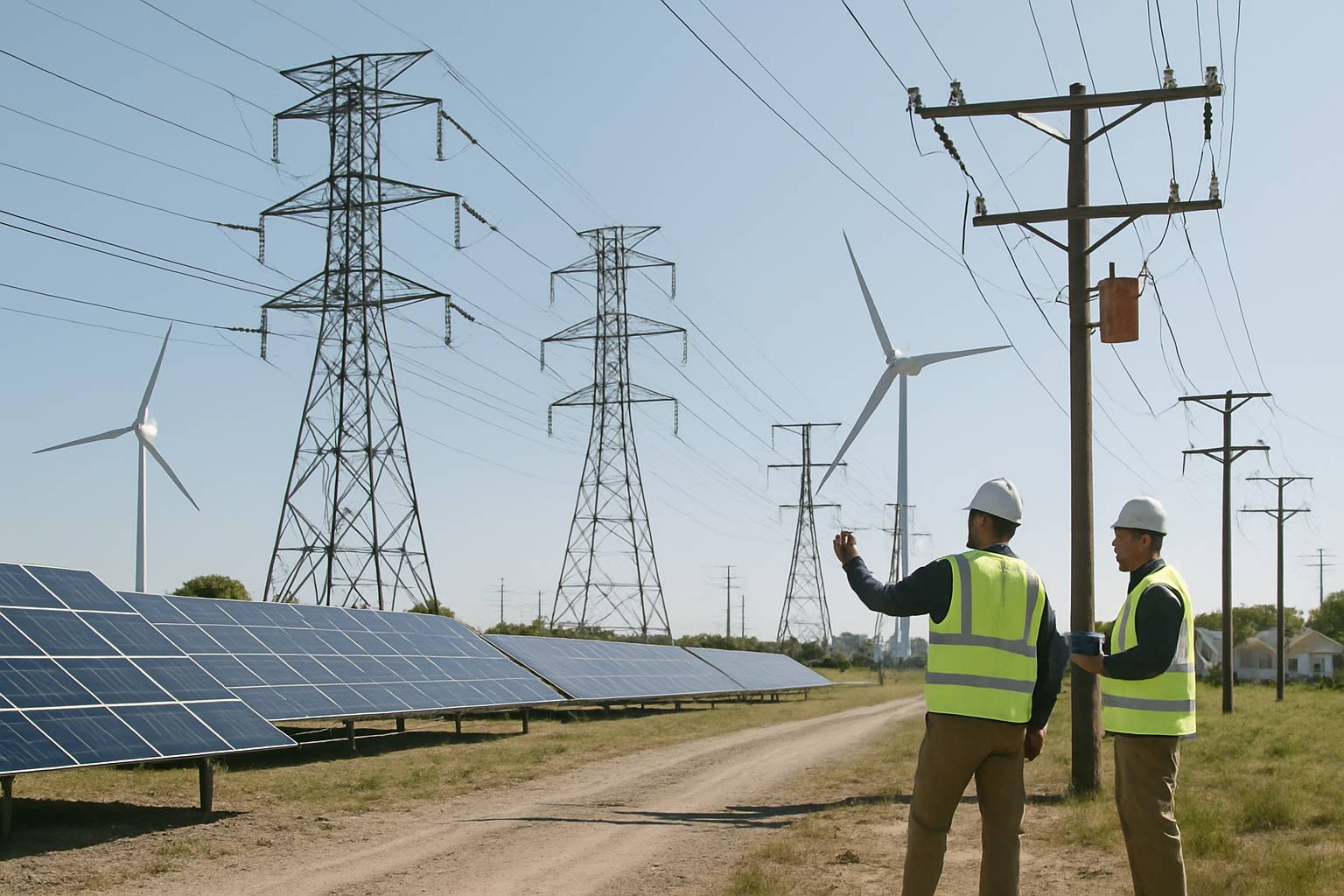
AI training clusters require astonishing electricity volumes. Berkeley Lab reported that data centers used 4.4 percent of U.S. electricity in 2023. Moreover, those analysts project demand could reach up to 12 percent by 2028. Consequently, utilities face sudden growth similar to historical electrification waves. S&P Global foresees nearly triple grid load for data centers by 2030. Meanwhile, McKinsey estimates trillions in global Infrastructure spending will be required to satisfy the compute boom. Big Tech companies already signed record Power Purchase Agreements, including Google’s advanced nuclear partnership. Therefore, the Trump Energy Deal essentially scales practices that have emerged piecemeal since 2020. These forecasts illustrate urgency for scalable solutions. Consequently, financing strategies become the next logical focus.
Financial And Regulatory Questions
Covering multibillion-dollar upgrades requires complex financial instruments. Consequently, signatories expect to rely on blended self-build capital and long-term energy purchase agreements. However, each utility commission must approve separate rates before construction begins. Companies will likely propose take-or-pay structures that guarantee revenue regardless of real usage. Moreover, grid operators will scrutinize backup generation plans to maintain reliability. In contrast, environmental advocates push for detailed Climate reporting and public verification portals. They warn that the Trump Energy Deal lacks binding benchmarks or penalties. Nevertheless, Edison Electric Institute praised the initiative for protecting households while expanding Infrastructure.
- Method for tracking project milestones across dozens of regulated jurisdictions.
- Allocation of stranded asset risk if data center demand later plateaus.
Subsequently, negotiators must craft safeguards around both questions. The financial blueprint remains fluid and heavily jurisdictional. Next, grid implications reveal further operational challenges.
Implications For Infrastructure Growth
Building generation capacity demands land, permits, materials, and skilled labor. Moreover, transmission expansion averages ten years from concept to energization. Consequently, the Trump Energy Deal sets aggressive timelines that risk mismatch with actual delivery. Utilities already report interconnection queues stretching beyond 2030 for renewable projects. Meanwhile, advanced nuclear developers promise faster deployment, yet licensing hurdles persist. In contrast, some companies may finance diesel backup until clean alternatives appear. Such stopgap choices could undercut Climate goals if emissions rise. Nevertheless, corporate funding can unlock grid enhancers like dynamic line rating, battery storage, and flexible demand management. Therefore, network impacts depend on project mix and regional governance. Infrastructure opportunities abound, yet execution risks loom. These uncertainties feed directly into environmental debates detailed below.
Environmental And Climate Stakes
AI workloads could derail national Climate targets if served by fossil fuels. However, aligning the Trump Energy Deal with zero-carbon resources could accelerate decarbonization. Google and Microsoft already purchase wind, solar, and emerging nuclear to reach 24/7 clean Power. Consequently, other signatories may copy that template to meet pledge obligations. Environmental groups demand transparent emissions accounting and timely public disclosure. They argue voluntary commitments historically delivered mixed results. In contrast, supporters highlight that Big Tech often moves faster than federal rulemaking. Moreover, corporate capital can fund demonstration projects that regulators hesitate to underwrite. Nevertheless, without oversight, companies could prioritize speed over environmental justice. The environmental ledger remains unsettled. Therefore, monitoring frameworks emerge as the next battleground.
Next Steps And Oversight
Regulators now demand concrete filings translating pledges into project plans. Subsequently, utilities will submit tariff proposals and interconnection agreements to state commissions. Companies must also coordinate with regional grid operators on reliability studies. Meanwhile, advocates intend to scrutinize those dockets for adherence to Climate standards. The Trump Energy Deal will appear repeatedly in testimony as parties debate cost allocation. Moreover, congressional committees may request status updates to maintain political momentum. Edison Electric Institute recommends standardized reporting templates to cut administrative burden. Consequently, observers expect the first formal progress audits by early 2027. Oversight processes are gearing up fast. Next, talent pipelines must scale to execute these ambitions.
Skills For Energy Leaders
Delivering the pledge demands multidisciplinary project management. Consequently, professionals with energy, data, and finance fluency enjoy strong demand. Moreover, companies value leaders who grasp regulatory process and emerging technologies. Engineers can strengthen credentials through specialized training. Professionals can enhance their expertise with the AI Project Manager™ certification. However, soft skills such as consensus building remain equally critical. Big Tech hiring managers increasingly test negotiation scenarios during interviews. Therefore, seasoned energy veterans who can translate technical details for policymakers hold unique advantages. Talent shortages could slow the Trump Energy Deal despite ample capital. Nevertheless, structured training pipelines can mitigate that risk.
The Trump Energy Deal represents an unprecedented promise linking AI expansion to responsible grid funding. If executed, households gain predictable bills while grids modernize and Climate goals advance. However, voluntary language, lengthy permitting, and talent gaps could still delay new Power flows. Consequently, industry professionals must monitor filings, demand transparency, and develop the skills to steer outcomes. Moreover, proactive certification empowers leaders to guide billion-dollar portfolios responsibly. Take action today by investing in advanced training and following our ongoing coverage of market milestones.


