

AI CERTS
2 hours ago
TraceMap Food AI: EU’s New Weapon Against Food Fraud
Moreover, the platform integrates existing RASFF, TRACES, and ACN databases without new reporting burdens. Industry stakeholders hope quicker tracing will protect public Food safety and corporate reputations alike. Nevertheless, experts warn that data quality and AI validation remain unresolved. This article unpacks the technology, governance, and next steps shaping Europe’s newest surveillance tool. Readers will gain actionable insight into opportunities, challenges, and professional development linked to TraceMap Food AI.
Launch Timeline And Context
Testing of the platform began quietly in mid-2025 within the Alert and Cooperation Network. Meanwhile, pilot inspectors used it to trace contaminated ARA oil that entered infant formula across three states. The successful exercise shortened the recall decision from days to hours, according to DG SANTE notes. Therefore, the EU Commission felt confident proceeding to a full roll-out in early 2026. Official access opened on 10 March, with Commissioner Olivér Várhelyi hailing the system as revolutionary.
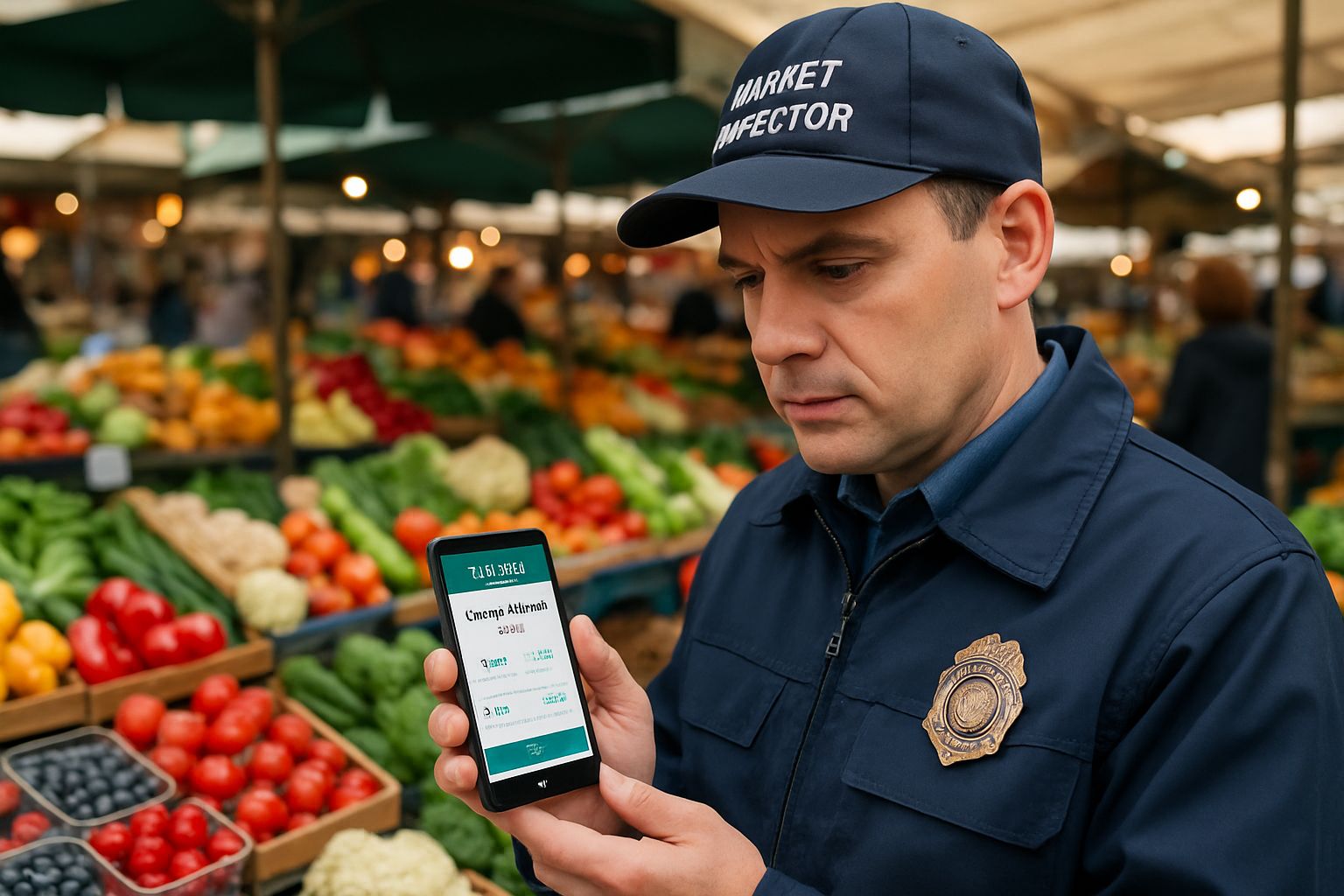
Consequently, TraceMap Food AI moved from concept to continental deployment in under twelve months. This rapid timeline underscores growing pressure from Food safety crises and leads directly to data considerations.
Data Scale And Urgency
Authorities must sift through unprecedented data volumes. ACN reports forecast roughly 10,000 new notifications each year. Furthermore, TRACES contributes about four million control documents annually. These totals exceed human analytical capacity during an unfolding outbreak.
- RASFF alerts in 2024: 5,250, up 12% year-on-year.
- Food-borne outbreaks in 2024: 6,558, up 14.5%.
- Integrated datasets: RASFF, TRACES, ACN, national labs.
Moreover, the upward trend pressures limited enforcement budgets. In contrast, TraceMap Food AI promises instant entity matching across those sprawling datasets. Graph visualisation also helps investigators spot cross-border fraud rings quickly. Consequently, many officers see data scale as the strongest argument for automation.
Massive figures clarify why manual systems cannot cope. Next, the article explores how semantic models convert raw files into an actionable graph.
Inside The AI Engine
TraceMap Food AI relies on semantic extraction and Large Language Models to index unstructured reports. Subsequently, the engine builds a knowledge graph linking operators, consignments, ingredients, and laboratory findings. Network visualisation lets users back-trace a suspicious lot within the interconnected supply chain. Cloud hosting within EU borders ensures GDPR compliance while providing elastic compute resources.
Additionally, entity resolution reduces duplication across languages and spelling variants. EFSA minutes, however, note remaining taxonomy gaps among national systems. Therefore, the platform still depends on human analysts to verify suggested matches.
AI confidence scores flag uncertain links for manual review, limiting false alarms. Nevertheless, critics highlight missing public data on precision or recall during pilot runs.
The technical stack turns fragmented text into concrete investigative leads. Yet benefits matter only if authorities embrace them, as the next section shows.
Benefits For Food Authorities
DG SANTE frames the platform as force-multiplier rather than staff replacement. Moreover, TraceMap Food AI can propose targeted inspections, reallocating resources toward highest risk consignments. Investigators save hours previously lost in spreadsheet merging.
- Cross-border link analysis within minutes
- Consistent evidence trails for legal proceedings
- Early detection of deliberate adulteration schemes
Consequently, quicker recalls may cut hospitalisations during outbreaks, improving overall Food safety metrics. Commissioner Várhelyi predicts multiyear savings in healthcare and business losses.
Early adopters already report shorter trace times and clearer case files. However, benefits coexist with governance questions explored below.
Governance Risks And Caveats
EFSA scientists caution that heterogeneous taxonomies still cause occasional misclassification. In contrast, traditional systems rely on fixed codes, reducing ambiguity but slowing analysis. Moreover, persistent data gaps from some Member States can weaken network insights across the supply chain.
False positives represent another headache, because reputational damage can follow premature public action. Therefore, the EU Commission insists that human review remains mandatory before enforcement.
Data governance documents promise audit logs and strict role-based access. Nevertheless, the public minutes omit retention periods, vendor details, or algorithmic transparency measures. Stakeholders have requested the Data Protection Impact Assessment for independent scrutiny.
Without trust, even the smartest software will stall. Subsequently, stakeholders are asking what comes next for TraceMap Food AI adoption.
Next Steps And Outlook
DG SANTE plans iterative releases to refine models and harmonise taxonomies. Meanwhile, the EU Commission encourages Member States to feed high-quality lab results into the graph. Future dashboards may present near-real-time risk scores for each supply chain segment.
Professionals seeking deeper understanding of regulatory AI can validate skills through the AI+ Legal™ certification. Such credentials position analysts to guide implementation and audit TraceMap Food AI across jurisdictions.
Moreover, additional field studies should publish metrics on recall speed, false positives, and cost savings. Researchers also plan to explore integration with customs risk engines, broadening coverage beyond Food safety.
Consequently, industry voices advocate transparent performance dashboards to maintain momentum. The EU Commission will likely face parliamentary questions on funding and oversight during 2027 budget talks.
Upcoming enhancements could solidify TraceMap Food AI as Europe’s central risk intelligence hub. Yet sustained results demand investment, training, and continuous validation, as the conclusion explains.
Conclusion And Action
TraceMap Food AI already demonstrates how advanced analytics can fortify Food safety across the bloc. Rapid data ingestion, semantic graphs, and intuitive visuals together accelerate fraud detection and outbreak containment. However, success hinges on reliable data quality, responsible governance, and skilled human oversight. National authorities must therefore commit resources for taxonomy harmonisation, validation, and staff training. Professionals who secure expertise early will shape policy and technical standards for TraceMap Food AI deployments. Explore the linked certification to deepen regulatory AI mastery and help steer Europe toward safer plates.


