

AI CERTS
2 hours ago
Tokyo Auto Salon 2026: Driving the Mobility Future
This guide equips journalists and potential booth owners with verified data, step-by-step processes, and strategic insight. Furthermore, it reveals how OEMs, such as Honda and Bridgestone partners, leverage TAS to steer next-gen mobility narratives. Prospective participants will learn critical dates, booth categories, cost ranges, and media protocols. Moreover, you will discover how outdoor demonstrations and influencer campaigns expand engagement beyond static stands. Each section ends with concise takeaways, ensuring smooth navigation. Ultimately, informed planning today secures a profitable stake in tomorrow’s Mobility Future.
Tokyo Salon Event Snapshot
Tokyo Auto Salon 2026 opens on 9 January with a restricted business morning. Public crowds follow on 10 and 11 January across all eleven halls and outdoor zones. Meanwhile, organizer data from 2025 recorded 258,406 visitors, 389 companies, and 857 vehicles. Consequently, booth competition remains fierce, especially for headline positions near OEM islands.
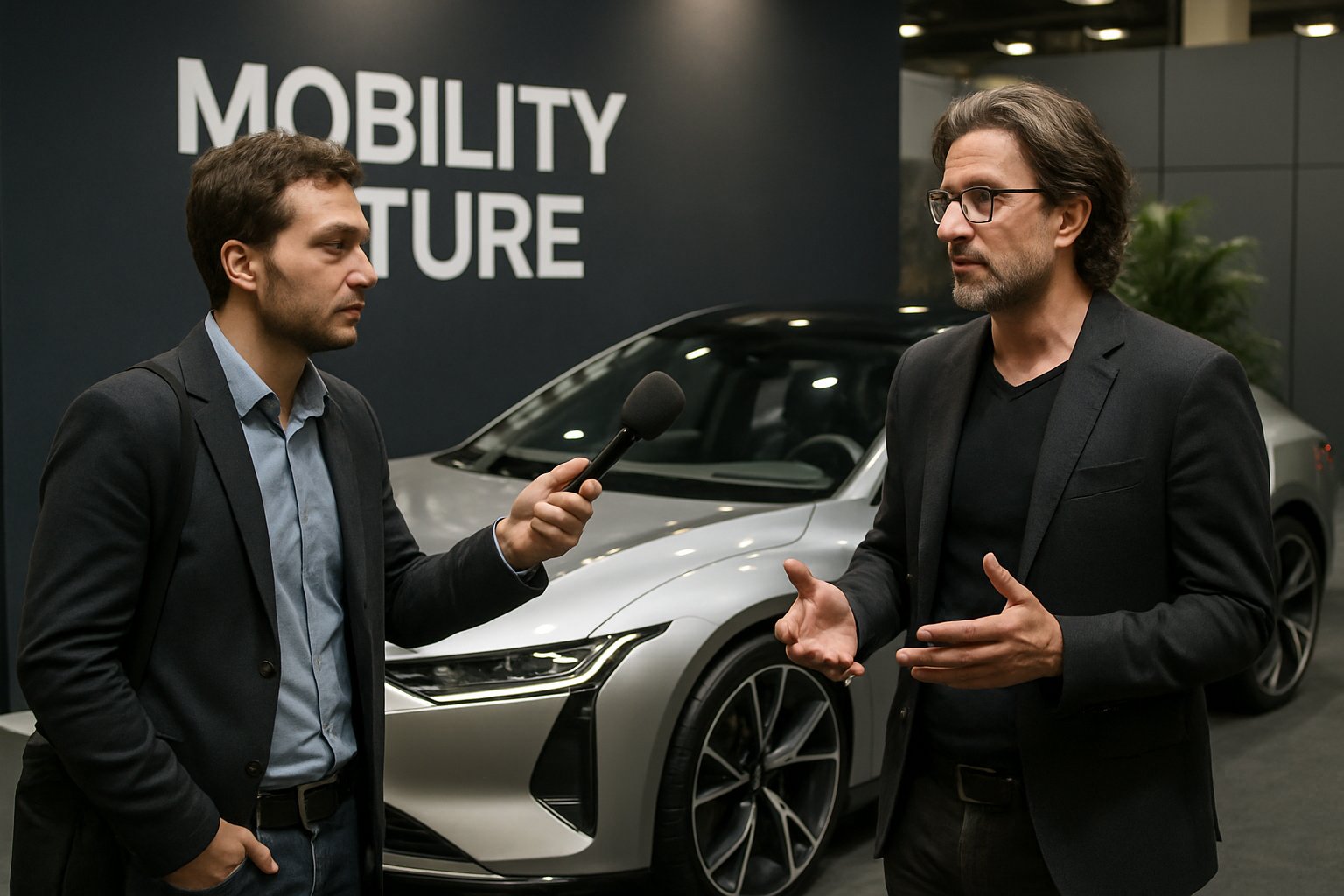
Honda, Nissan, Subaru, and Bridgestone tire displays headline early announcements. Additionally, Honda will repeat its F1 demo run, reinforcing hybrid racing storylines. In contrast, Nissan plans NISMO concepts to spotlight electric tuning potential. These reveals, amplified by selected influencers, shape the Mobility Future showcase narrative.
Outdoor Demo Content Highlights
Organizer releases confirm live driving sequences each afternoon. Moreover, creator zones will stream formatted segments to English audiences. Consequently, exhibitors gain kinetic exposure beyond static stands.
This snapshot confirms intense public attention and dynamic staging. Next, we unpack deadlines and financial commitments.
Key Deadlines And Fees
Applications ran online between 18 July and 19 August 2025. Subsequently, acceptance letters reached inboxes in early September. Therefore, missed windows mean waiting until 2027. Payment of space invoices is due by 28 November 2025, with steep penalties thereafter.
Typical 2025 pricing guides estimate ¥300,000 for a small A space. Moreover, large S islands bill per square meter, often exceeding ¥2 million. Electricity, anchor work, and optional Online AUTO SALON packages add further costs. Bridgestone sources suggest allocating 20% contingency for logistics and insurance.
- 50% cancellation penalty from 16 September 2025
- 100% cancellation penalty from 29 September 2025
Consequently, early financial approval avoids last-minute scrambles and cancellation losses. Deadlines and budgets underpin every successful Mobility Future activation. We now weigh benefits against inherent risks.
Exhibitor Benefits And Risks
Successful booths tap a concentrated audience of custom car buyers and media. Moreover, TAS combines trade show rigor with festival energy, fostering brand passion. Bridgestone reported lead increases of 25% following its 2025 tyre simulator installation. Consequently, launches of limited parts or merchandise can sell out onsite.
Nevertheless, space allocation is selective; submission guarantees nothing. Language hurdles persist because most official documents remain Japanese. In contrast, cancellation fees rise sharply, hitting 100% only weeks after acceptance. Operational rules also prohibit unsafe modifications or unauthorised drone filming.
These benefits and drawbacks must align with each exhibitor’s Mobility Future roadmap. Next, we outline an actionable checklist to streamline preparation.
Essential Application Checklist
Following the procedure timeline ensures smoother internal approvals. Therefore, compile documents and tasks in this order.
- Confirm product eligibility under TAS automotive categories.
- Register staff contact and company profile in the exhibitor portal on launch day.
- Prepare Japanese translation support for all forms.
- Upload vehicle specs, pass counts, and contractor details before October cut-off.
- Transfer invoice funds before 28 November to avoid automatic cancellation.
Subsequently, monitor portal dashboards for status flags or missing uploads. Professionals can enhance planning accuracy with the AI Prompt Engineer™ certification, improving workflow automation. Consequently, automated reminders prevent lapses that jeopardise Mobility Future commitments.
A disciplined checklist transforms application stress into predictable progress. Attention then shifts to media visibility.
Media And Creator Access
Journalists must submit accreditation by 24 December 2025; onsite approval is unavailable. Tokyo location details are included within the media portal FAQs. Meanwhile, Creator Pass slots run separately, with follower thresholds and content audits. Therefore, align your digital team’s credentials early.
Streaming requires pre-authorised routes to avoid wireless congestion or rights violations. Moreover, the organiser expands English commentary, broadening Mobility Future storytelling opportunities. In contrast, unsanctioned live feeds may face shutdown.
Clear access planning safeguards coverage and influencer collaborations. Finally, booth design must captivate on arrival.
Strategic Booth Planning Tips
First impressions form within five seconds, according to TAS visitor surveys. Consequently, lighting, sightlines, and interactive tech require equal attention. A leading tyre brand used augmented displays to visualise grip in wet conditions.
Consider hall layout; high ceilings in Hall 5 accommodate tall gantries, but columns obstruct Hall 8. Additionally, outdoor demo schedules can draw traffic away; schedule reveals accordingly.
Online AUTO SALON add-ons maintain consumer engagement after doors close. Therefore, integrate QR codes that link visitors directly to livestream or e-commerce pages. These tactics amplify Mobility Future messaging beyond Makuhari Messe.
Smart design converts footfall into qualified leads and post-show conversions. We close with pivotal insights and actions.
Tokyo Auto Salon 2026 promises intense competition, vast audiences, and headline vehicle debuts. However, success depends on mastering deadlines, budgets, and compliance rules. Careful checklist execution, Japanese language readiness, and proactive media planning reduce risk. Moreover, dynamic booths and outdoor demos will define each exhibitor’s Mobility Future narrative. Consequently, brands that blend physical engagement with Online AUTO SALON touchpoints can outlast the three-day rush. Professionals seeking sharper automation and content workflows should consider the linked AI Prompt Engineer™ credential. Ultimately, early preparation secures a profitable stake in the evolving Mobility Future. Act now, align your team, and unlock fresh growth at Makuhari Messe in January.


