

AI CERTS
3 hours ago
Thunders’ $9M Seed Fuels AI Test Agents for QA Automation
This article examines how its AI Test Agents could reshape QA Automation. We detail the product, market, funding strategy, and ongoing risks. Moreover, we offer certification resources for professionals navigating this change. Analysts project sustained testing market growth through 2030. Therefore, understanding Thunders’ position helps teams plan next year’s budget. Meanwhile, founders Karim Jouini and Jihed Othmani promise measurable efficiency gains.
Market Needs Drive Demand
Industry analysts peg the software-testing market at $48.2-$57 billion this year. Moreover, Mordor Intelligence expects values to nearly double by 2030.
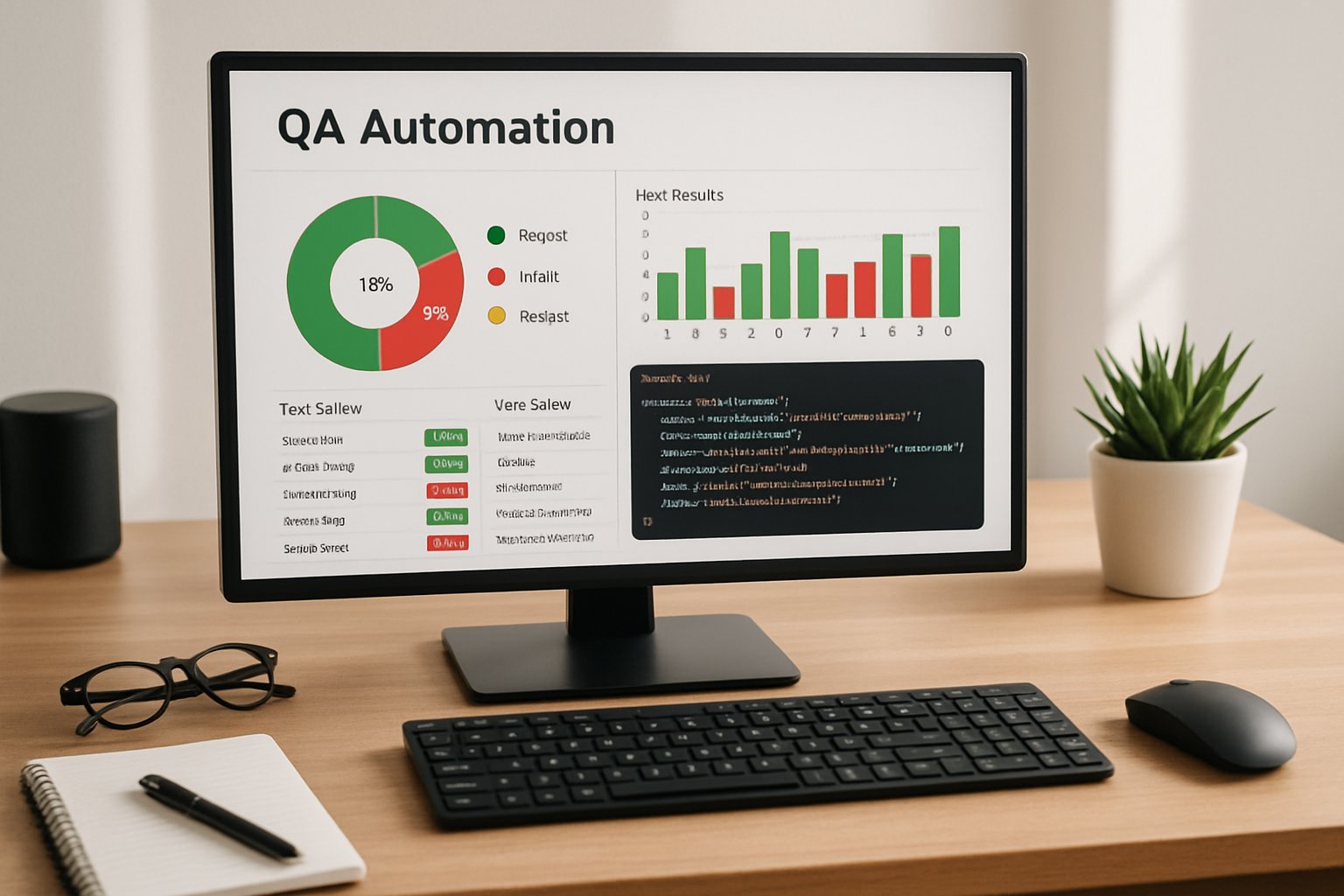
For engineering leaders, budget allocation now favors automation over manual labor. In contrast, tooling gaps still slow many pipelines.
QA Automation promises accelerated feedback loops, yet skill shortages persist. Consequently, no-code approaches appeal to non-developers pressed for release velocity.
Gartner surveys show 62% of enterprises increasing test automation budgets in 2025. Meanwhile, regulatory push for digital accessibility tightens release windows further.
These forces create fertile ground for agentic platforms like Thunders. Subsequently, investors view demand as structural rather than fleeting.
Market growth and talent shortfalls heighten automation urgency. However, momentum now shifts toward players offering real productivity metrics. Next, we unpack the $9M seed mechanics.
Inside The $9M Seed
On 3 June 2025, Thunders disclosed the $9 million seed led by Silicon Badia. Additionally, Janngo Capital, Titan Seed Fund, and MEDIN Fund Management joined.
Angel investors such as Roxanne Varza and Karim Beguir also took stakes. The funding gives Thunders roughly 18 months of runway, according to internal sources.
Moreover, board observers highlighted founder experience after the Expensya exit. Silicon Badia partner Namek Zu’bi posted that the firm led the first financing for Thunder Code.
Consequently, the seed signaled validation within a crowded automation landscape. The company declined to disclose valuation, yet sources suggest a healthy double-digit pre-money figure. Importantly, the raise closed swiftly, reflecting competitive investor appetite.
Capital depth now underwrites accelerated hiring and product expansion. Meanwhile, questions remain about disciplined spend, a theme explored next.
Product Vision And Claims
Thunders markets AI Test Agents able to write, execute, and heal tests autonomously. Users describe flows in English; the system converts them into Playwright or Selenium scripts.
According to vendor materials, test cycles run up to 90% faster. Nevertheless, independent reviewers await peer-reviewed benchmarks before crediting such gains.
Central to the pitch is QA Automation without code, targeting product managers and designers. Furthermore, the platform integrates into Jenkins and GitHub Actions for shift-left practices.
Self-healing selectors update when UIs change, therefore reducing noisy alerts. Agents operate continuously, scanning for visual regressions every build cycle. Consequently, teams receive actionable feedback within minutes rather than hours.
Jihed Othmani stresses that "testing should not be a bottleneck — it should be an accelerator." Professionals can deepen skills through the AI Customer Service™ certification, which covers agent design principles.
Early claims excite buyers seeking resilient pipelines. However, competitive pressures shape feasibility, as the next section shows.
Competitive Testing Landscape Pressures
BrowserStack, Tricentis, and Sauce Labs already serve thousands of enterprise accounts. In contrast, Thunders relies on a handful of pilot customers across four countries.
Large clouds, including Microsoft and AWS, are embedding AI features directly inside dev toolchains. Consequently, startups must differentiate on user experience, speed, and pricing.
Thunder Code faced similar headwinds before rebranding to sharpen messaging. Analysts warn that incumbents could bundle basic QA Automation, squeezing newcomers on margin.
Nova AI and Jetify have launched similar offerings during the past quarter. However, few report metrics beyond controlled demo environments.
Key competitive factors include:
- Infrastructure depth and device coverage
- Regulatory compliance certifications such as SOC 2
- Ecosystem partnerships with CI/CD vendors
Competitive intensity underscores execution risk. Therefore, understanding opportunities and drawbacks becomes vital.
Opportunities And Potential Risks
Opportunity surfaces because manual QA absorbs sizeable headcount budgets. Moreover, DevOps adoption drives appetite for continuous feedback loops.
Investors thus see a path toward high-margin recurring revenue if adoption scales. However, vendor promises remain unverified at production scale.
Cybersecurity regulations also favor automated audit trails that AI tools can generate. In contrast, manual screenshots often fail compliance checks.
Thunders must address several milestones:
- Speed to secure 100 paying customers
- Ability to extend from web to mobile testing
- Retention amid platform competition
Funding sufficiency also hinges on burn discipline; another round may be required. Subsequently, Thunders must balance aggressive marketing with tangible user outcomes.
Upside exists if the team executes quickly and proves ROI. Consequently, roadmap visibility gains importance.
Roadmap And Next Steps
Product plans include mobile, desktop, and API coverage by late 2026. Additionally, founders target United States expansion to diversify revenue.
The company built its minimum viable product in six weeks, demonstrating technical velocity. Meanwhile, customer references remain scarce, so case studies will be crucial.
Karim Jouini states, "Our mission is to make software testing radically more efficient and accessible." If traction materializes, follow-on funding could arrive quickly.
Nevertheless, verification of the 90% speed claim will influence future seed extensions. Professionals evaluating QA Automation tools should monitor customer testimonials and integration depth.
Company headcount sits at 25 today and is expected to double post-funding. Hiring plans focus on senior engineers in Paris and go-to-market staff in New York.
Execution milestones will confirm product-market fit. Meanwhile, Thunders’ journey offers wider lessons for automation buyers.
Thunders enters a crowded arena yet brings credible founder experience. QA Automation promises faster cycles, broader coverage, and reduced maintenance burden. However, buyers will demand hard evidence before replacing existing QA processes. Competitive giants can quickly match baseline capabilities.
Therefore, Thunders must validate its QA Automation claims through public benchmarks and transparent pricing. Early pilots suggest productivity gains, yet sample size remains small. Consequently, enterprises evaluating QA Automation should request case studies and trial licenses.
Professionals can prepare by securing the AI Customer Service™ credential, building agent-oriented QA expertise. Adoption insights will surface over the next quarter; stay tuned for our follow-up analysis. Ultimately, disciplined execution could turn Thunders into a benchmark for QA Automation at scale.


