

AI CERTS
2 hours ago
The Infinity Machine: AI Pioneer History of Demis Hassabis
Early reviewers praise the balanced tone, noting admiration alongside caution. In contrast, some observers question whether Mallaby’s deep access softens critical edges. However, the book's factual richness seems undeniable. AlphaFold’s Nobel-cited triumph highlights genuine social value created by the London lab. Meanwhile, looming Artificial General Intelligence debates frame higher stakes for governance. This article unpacks the biography’s key findings, context, and implications for enterprise leaders.
Early Life Formative Roots
Mallaby traces Hassabis’s childhood chess achievements, illuminating competitive instincts shaped by early tournaments. Furthermore, teenage years at Bullfrog Productions taught design discipline while fostering creative risk taking. These anecdotes anchor AI Pioneer History in personal ambition, not abstract theory.
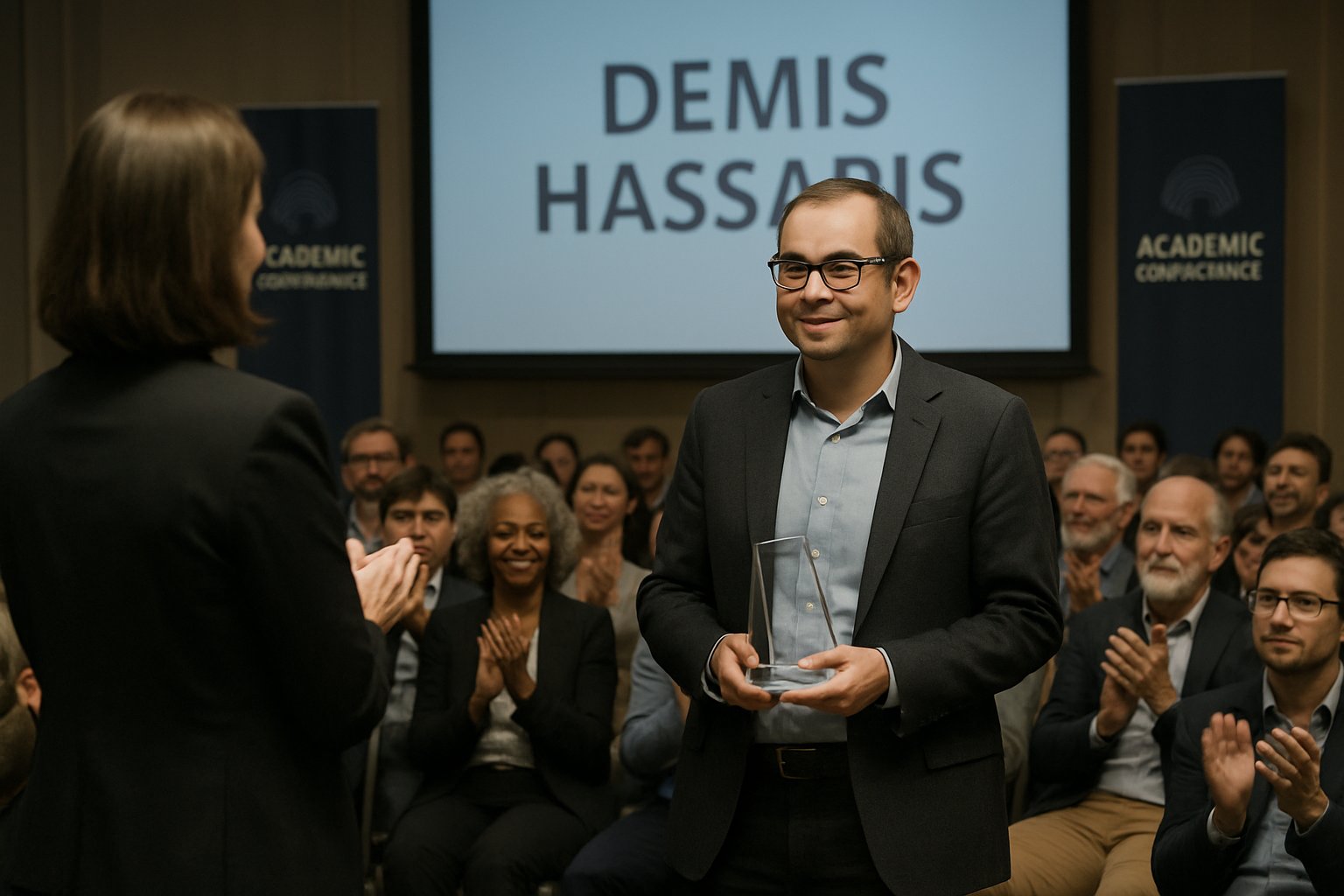
Hassabis’s formative experiences reveal relentless curiosity and structured play. Such traits foreshadow later laboratory leadership. Next, we examine how those qualities crystallised when founding DeepMind.
Founding DeepMind Grand Vision
In 2010, the founders launched DeepMind with Mustafa Suleyman and Shane Legg. Consequently, the startup pursued reinforcement learning breakthroughs within a small, focused team. Google acquired DeepMind in 2014 for an estimated $400-$650 million, securing vast compute resources. Mallaby calls the acquisition a central moment in AI Pioneer History, merging academia with tech capital. In contrast, some interviewees argue that landmark also repositioned AI Pioneer History toward profit metrics.
DeepMind’s sale delivered money and scale. However, it introduced conflicts between research purity and corporate targets. The AlphaFold story illustrates those stakes.
AlphaFold Breakthrough And Nobel
AlphaFold predicted over 200 million protein structures, shocking structural biologists. Moreover, the breakthrough earned Hassabis and collaborators the 2024 Nobel Prize in Chemistry. Mallaby details lab nights where researchers celebrated provisional scores before peer review.
- 200M protein structures released in AlphaFold DB
- Public database accessed by thousands of labs monthly
- Royal Swedish Academy cited AlphaFold in Nobel announcement
Consequently, AlphaFold’s success secures a permanent place for AI Pioneer History within life sciences. Researchers interviewed by Mallaby describe feeling part of AI Pioneer History when Nobel news arrived. DeepMind leadership claims the open database accelerates drug discovery pipelines worldwide.
AlphaFold demonstrates profound social benefit alongside prestige. Such wins bolster DeepMind’s scientific narrative. Yet, profit expectations still cast long shadows.
Mission Tension Versus Market
Mallaby narrates internal debates about monetising research results. Additionally, interviews with critics like Geoffrey Hinton underscore governance anxieties. Therefore, the book questions whether safety investments will keep pace with deployment speed. The tension chapter enriches AI Pioneer History by revealing uneasy compromises. Senior laboratory executives contend that Alphabet oversight already provides guardrails.
Market forces push aggressive timelines. Governance frameworks remain experimental. Mallaby’s own narrative choices deserve equal scrutiny.
Mallaby Epic Book Biography
The Infinity Machine runs 480 pages, combining reportage with analytical commentary. Moreover, Mallaby’s Biography style blends character sketches and industry context, reminiscent of Walter Isaacson. Reviewers praise balanced tone yet note potential bias from extensive access. Consequently, readers seeking AI Pioneer History will find granular source notes and interview transcripts. Mallaby positions the Biography as foundational for future policy debates. Hassabis cooperated yet reportedly never demanded editorial veto.
Mallaby offers rare, documented access. Nevertheless, balanced judgment remains reader responsibility. Professional development opportunities also emerge from this discourse.
Governance Paths And Future
Policy specialists interviewed propose multilateral compute caps and safety audits. Meanwhile, Mallaby highlights Hassabis’s suggestion of ‘science led governance boards’ inside Alphabet. Professionals can enhance their expertise with the AI+ Essentials™ certification. Such programs contextualise AI Pioneer History for managers steering enterprise adoption. Furthermore, DeepMind’s continued open science stance may influence regulatory templates. Nobel recognition grants the laboratory additional moral authority in policy halls. Future Biography projects will likely extend this governance conversation.
Governance debates will intensify as capability grows. Structured learning pathways prepare stakeholders. We close with overarching insights.
AI Pioneer History reaches a milestone with Mallaby’s deeply sourced account. Moreover, it surfaces unresolved tensions between open science ideals and market imperatives. Consequently, readers gain perspective on governance challenges facing AGI research. Professional audiences can move beyond headlines by exploring primary sources and structured training. Therefore, consider the referenced certification to sharpen strategic literacy amid rapid innovation. In contrast, ignoring these lessons could leave organisations exposed to technical and ethical missteps. Act now to deepen knowledge, refine policies, and position your team for responsible AI leadership.


