

AI CERTS
1 hour ago
Technological Unemployment Anxiety Grips U.S. Workforce
Meanwhile, corporate announcements linking layoffs to AI stoke headlines and social media outrage. However, economists warn that attribution remains murky, and clear data lag rapid deployment. This article unpacks the numbers, expert views, and policy debate shaping the next decade.
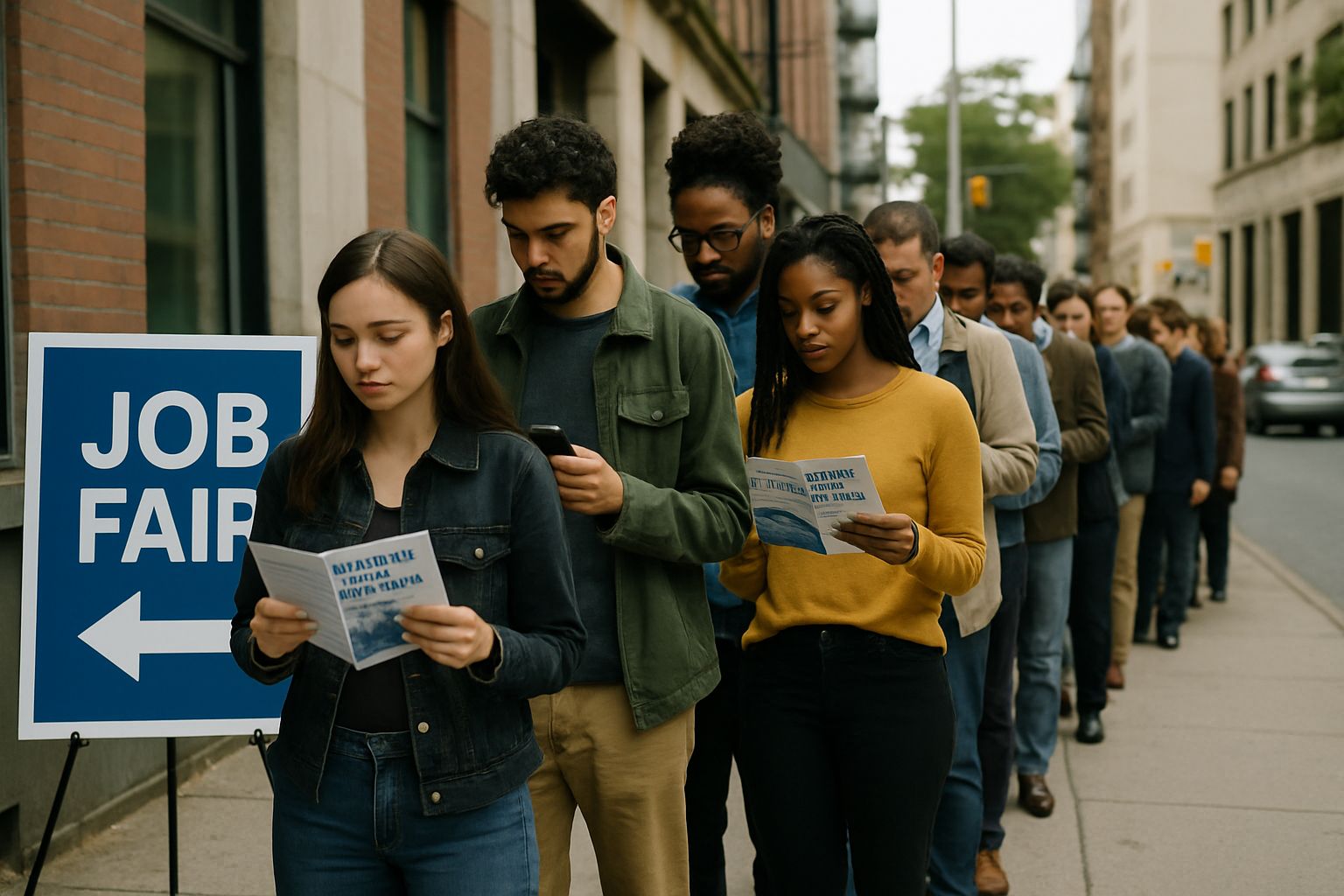
Moreover, understanding the difference between hype and measurable workforce impact will guide strategic planning. Therefore, we examine polling trends, adoption statistics, and potential solutions to ease Technological Unemployment Anxiety. In contrast, we highlight where evidence remains thin and what leaders should monitor next. Consequently, the coming pages provide a roadmap through conflicting headlines and genuine risk.
Polls Show Rising Anxiety
Pew Research finds 64% of adults expect fewer jobs within two decades. Additionally, 56% report being extremely or very concerned about AI-driven displacement. In contrast, only 25% of experts share that level of worry.
Ipsos global data echo the pattern, though country variations run wide. Nevertheless, U.S. numbers remain among the most anxious in the developed world.
- Gallup Q3 2025: 45% use AI a few times yearly; 10% daily.
- McKinsey 2025: 57% of U.S. work hours technically automatable.
- Pew Research 2024: Public concern 56%; expert concern 25%.
Survey data confirm broad Technological Unemployment Anxiety despite rising familiarity with AI tools. However, expert sentiment appears far less alarmed, setting the stage for adoption contrasts.
Adoption Surges At Work
Gallup shows workplace AI usage climbing faster than many forecasters expected. Furthermore, sector analysis reveals concentrated daily use in tech, finance, and media.
McKinsey notes that demonstrated tools could generate $2.9 trillion in annual value by 2030. Consequently, executives race to integrate chatbots, code assistants, and analytic agents into workflows.
Nevertheless, adoption still lags technical potential because integration costs and governance hurdles slow rollouts. Therefore, current usage remains an imperfect proxy for eventual workforce impact. Brookings stresses the importance of distinguishing exposure from actual layoffs.
Usage statistics suggest opportunity alongside automation fears that dominate public discourse. Next, we examine how those fears translate into real workplace outcomes.
Potential Versus Real Outcomes
Technical potential gauges what algorithms could automate, not what employers will automate. Moreover, companies frequently cite AI among many motives for restructuring.
Baker McKenzie’s February 2026 layoffs offer a vivid example. Subsequently, management referenced efficiency, geographic strategy, and AI investment in the same memo.
Brookings warns that macro factors muddy attribution, especially during post-pandemic adjustments. Consequently, pinning any single layoff on algorithms alone risks oversimplification.
Evidence shows Technological Unemployment Anxiety may outrun confirmed displacement numbers at present. However, localized job losses still matter, especially for vulnerable groups.
Vulnerable Groups Face Risks
Academic micro-studies highlight clerical, junior finance, and coding roles with high AI exposure. Meanwhile, younger workers in these tracks report fewer resources for reskilling.
Gallup references about 6.1 million U.S. employees it labels low-adaptability, high-exposure. Moreover, regional clusters magnify risk in certain midsize cities dependent on administrative employment.
- Higher exposure correlates with reduced entry-level postings.
- Automation fears rise fastest among workers lacking savings.
- Workforce impact varies sharply by region and education.
Targeted support could lessen automation fears among at-risk cohorts. In contrast, failure to act may deepen Technological Unemployment Anxiety in exposed communities.
Political Debate Before Midterms
Lawmakers sense voter unease as midterms approach. Consequently, hearings on AI governance and reskilling funds intensify on Capitol Hill.
Some legislators propose robot taxes, disclosure mandates, and regional adjustment grants. Meanwhile, business lobbies warn against stifling innovation during a productivity race.
Campaign strategists monitor Pew Research trend lines to shape messaging on opportunity versus risk. In many swing districts, Technological Unemployment Anxiety polls above inflation or immigration.
Debates will sharpen as midterms near and layoffs hit local headlines. Next, we explore how firms and workers can mitigate uncertainty.
Mitigation And Reskilling Strategies
Economists emphasize augmentation, not pure replacement, remains the dominant pattern so far. Therefore, proactive training plans can convert automation fears into career advancement.
Professionals can enhance their expertise with the AI Security Specialist™ certification.
Additionally, several states expand community college grants for digital skills bootcamps. Subsequently, displaced clerical staff enroll in data stewardship and compliance programs.
Company leaders should audit task portfolios, identifying augmentation gaps and new growth roles. Moreover, transparent communication cuts Technological Unemployment Anxiety before rumors spread.
Early investment in people eases workforce impact and builds loyalty. Consequently, firms that reskill fastest may capture the greatest productivity upside.
Key Takeaways For Leaders
Data confirm that Technological Unemployment Anxiety is real, measurable, and politically salient. However, evidence also shows adoption benefits often outweigh immediate job losses.
Leaders should track Pew Research updates, Gallup usage figures, and Brookings attribution studies. Meanwhile, scenario planning before the 2026 midterms will sharpen messaging for investors and staff.
Finally, integrating certifications and agile learning loops turns automation fears into strategic assets. Therefore, decisive yet humane governance can moderate workforce impact while unlocking new value.
In sum, public opinion, corporate data, and academic research paint a nuanced employment picture. Technological Unemployment Anxiety will persist while metrics and policy responses mature. Nevertheless, measured adoption, thoughtful reskilling, and transparent communication give organizations practical defenses. Moreover, leaders who ground decisions in Pew Research trends and task-level audits will navigate disruption credibly.
Technological Unemployment Anxiety diminishes when workers see concrete growth pathways, not vague assurances. Therefore, consider enrolling teams in the AI Security Specialist™ program to harden skills and morale alike. Visit our certification hub and subscribe for ongoing analysis that converts risk into strategic advantage.


