

AI CERTS
2 hours ago
Synthetic Influencer Economy Faces Backlash, Brands Retreat
Meanwhile, creators frame the trend as digital union busting that threatens their livelihoods. The stakes extend beyond social feeds into policy, labor relations, and brand equity. Furthermore, it offers risk mitigation steps and certification resources for forward-thinking teams. In contrast, some observers still predict explosive growth once governance frameworks mature. Nevertheless, adoption will hinge on how the Synthetic Influencer Economy reconciles innovation with human creativity.
Market Hype Meets Reality
Grand View Research valued virtual influencers at USD 6.06 billion in 2024. However, brand partnerships fell nearly 30% during 2025, revealing an early correction. Collabstr saw willingness to brief AI talent drop from 86% to roughly 60% within eleven months. Therefore, inflated forecasts collided with operational caution.
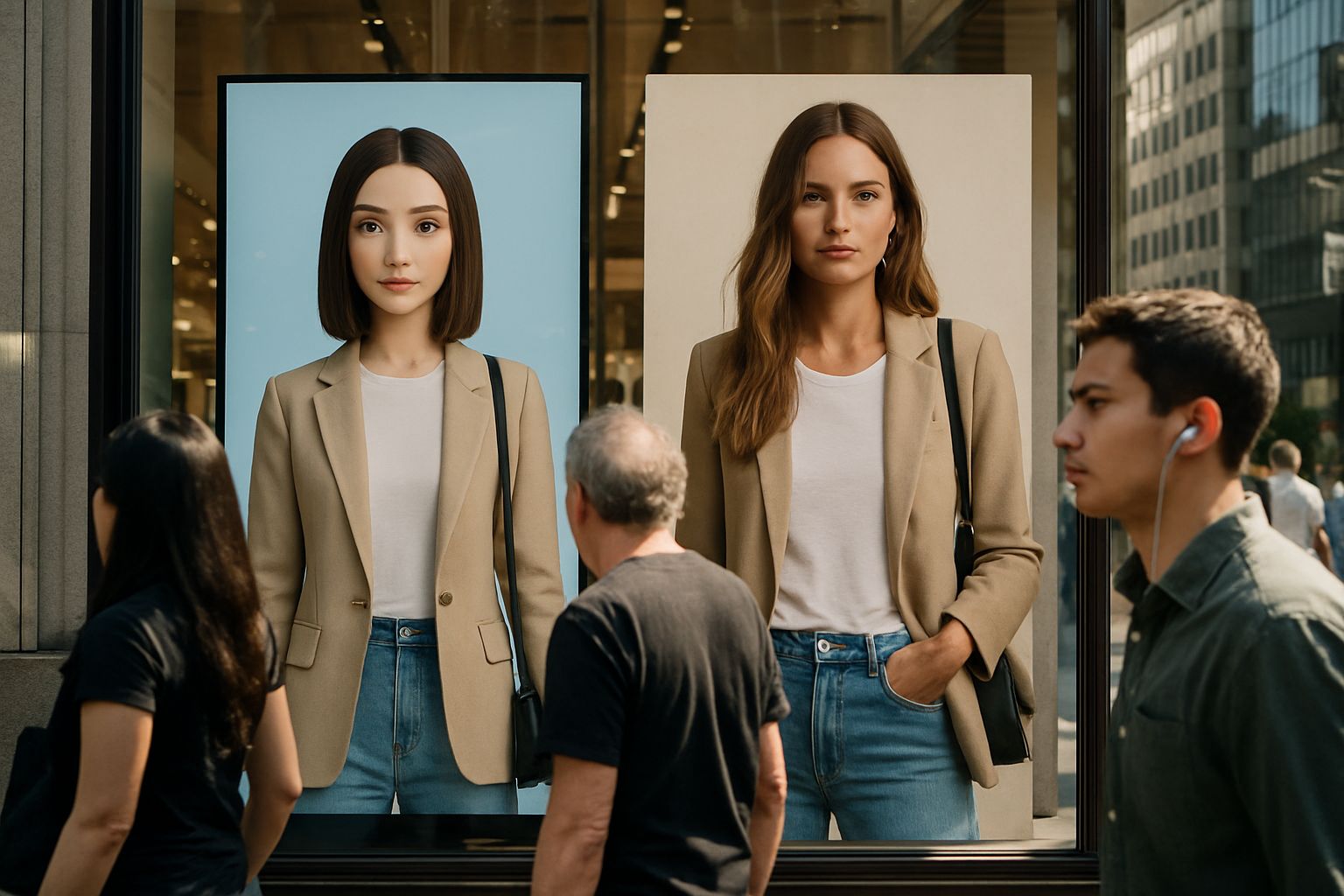
Experts blame trust erosion, regulatory uncertainty, and the Synthetic Influencer Economy learning curve. Additionally, marquee avatars like Lil Miquela lost followers, signaling engagement fatigue. CreatorDB data showed her audience shrinking by 141,000 and engagement percentile slipping. Scriptable avatars push out vast content without overtime costs. Meanwhile, Whop polling shows 40% of Gen Z follows virtual personas and 33% bought influenced products. These figures temper exuberant projections. Consequently, the Synthetic Influencer Economy must secure trust to sustain youth appeal.
Against that backdrop, decision-makers must examine what drove brands to pause spending.
Drivers Behind Brand Pullback
Guess’s August 2025 Vogue ad ignited backlash about artificial diversity and displaced models. Moreover, the uproar demonstrated how unseen algorithms could sour hard-won consumer trust overnight.
Advertisers told a World Federation of Advertisers survey that 96% avoided virtual faces due to trust deficits. Collabstr transaction logs confirmed fewer Brand deals converting when consumers voiced replacement fears. Furthermore, agencies such as Obviously reported clients rewriting briefs to require hybrid campaigns.
Key deterrents cited most frequently include:
- Authenticity gaps undermining endorsement credibility
- Legal exposure around undisclosed synthetic media
- Labor optics of replacing human talent
- Lower than expected engagement metrics
In contrast, cost efficiency alone could not offset these multi-layered risks. Consequently, CMOs recalibrated investment until clearer guidelines emerge.
Brand hesitancy underscores perception risk. Therefore, labor concerns now dominate strategic debates.
Next, we explore those creator-led objections in detail.
Labor Concerns Fuel Backlash
Creators argue synthetic avatars function as union-free labor that cannot demand residuals. Moreover, scholars at Columbia warn of bargaining power erosion if rights-of-publicity protections lag.
The Synthetic Influencer Economy triggers unique ethical dilemmas because ownership stays with corporate entities, not performers. Consequently, revenue concentrates upward while individual creators lose negotiation leverage.
Some agencies now talk about ‘digital souls’ that encapsulate a creator’s likeness, voice, and personal narrative. However, misappropriating those digital souls without consent risks lawsuits and public outrage.
Mae Karwowski observes backlash intensifies whenever AI visibly replaces lived experience. Additionally, many mid-tier influencers fear disappearing Brand deals as budgets shift to code.
Labor tensions spotlight structural inequities. Nevertheless, platforms claim supportive intentions, not substitution. That stance deserves closer scrutiny.
Let us examine how major platforms communicate their dual strategy.
Platform Strategies And Messaging
YouTube’s 2026 roadmap positions AI as an expressive assistant rather than a replacement. Neal Mohan stated, “AI will remain a tool for expression, not a replacement.”
Meanwhile, Instagram and TikTok test generative templates that can mass-produce short videos in seconds. Additionally, platform algorithms often boost novelty, giving AI personas initial reach advantages.
Consequently, human creators worry recommendation engines could privilege machine-made content over lived storytelling. In response, platforms tighten labeling policies and experiment with disclosure watermarks.
Emerging mitigation measures include:
- Automatic AI-generated tags on posts
- Revenue-sharing funds for affected creators
- Opt-out controls for likeness training
In effect, platform policies could determine whether the Synthetic Influencer Economy matures responsibly. Platform messaging seeks to calm nerves. In contrast, regulators may soon mandate harder safeguards. Therefore, brands must track evolving legal frameworks.
Regulation Looms Over Experiments
The FTC plans stricter disclosure rules covering synthetic endorsements and deepfakes. Furthermore, several states debate laws granting individuals explicit digital likeness rights.
Columbia scholars predict earlier enforcement waves will target unlabelled Brand deals using cloned faces. Consequently, brands now consult counsel before deploying large campaigns.
Legal exposure expands when digital souls include biometric voice or gestures. Moreover, penalties can encompass unfair advertising fines and civil damages.
Professionals can enhance compliance knowledge through the AI Security Level 2 certification. Including such credentials strengthens governance posture within the Synthetic Influencer Economy.
Regulatory clarity will shape adoption pace. Subsequently, stakeholders must forecast multiple policy scenarios.
Future Outlook For Stakeholders
Kyle Dulay believes momentum will return once performance data validates genuine value. Nevertheless, he warns the Synthetic Influencer Economy remains overhyped compared with actual sales lift.
Market forecasts still project USD 45.88 billion by 2030, reflecting 40.8% annual growth. Additionally, brand safety tools, clearer rights contracts, and transparent disclosure may unlock stalled budgets.
Creatives who embrace AI augmentation, not full substitution, could secure new Brand deals and retain audiences. Meanwhile, certified professionals will guide risk audits and workflow integration.
Consequently, learning pathways like that security certification help leaders navigate the Synthetic Influencer Economy confidently.
Stakeholder fortunes hinge on measured experimentation. In conclusion, coordination beats unilateral disruption.
Conclusion
Virtual personalities remain alluring yet precarious for modern marketers. This review traced hype peaks, brand retrenchment, labor tensions, platform tactics, and regulatory headwinds. Moreover, Gen Z retention and premium content strategies signal untapped upside. Nevertheless, reputational damage, legal fines, and creator hostility could stall momentum. Therefore, leaders should test small pilots, disclose clearly, and share savings with human partners.
Additionally, securing governance skills through recognised programs such as the referenced certification fortifies corporate resilience. Explore deeper coverage, collect fresh data, and revisit strategy as the Synthetic Influencer Economy evolves. Act now, and shape ethical, profitable influence before algorithms dictate market terms.


