

AI CERTs
3 hours ago
Synthetic Fraud Triggers Legal Sanctions and Firm Overhauls
Attorneys once trusted chatbots to accelerate research without fearing immediate fallout. However, mounting evidence shows that Synthetic Fraud now threatens courtroom integrity and professional reputations. Consequently, judges, regulators, and vendors scramble to contain a rapidly growing legal crisis.
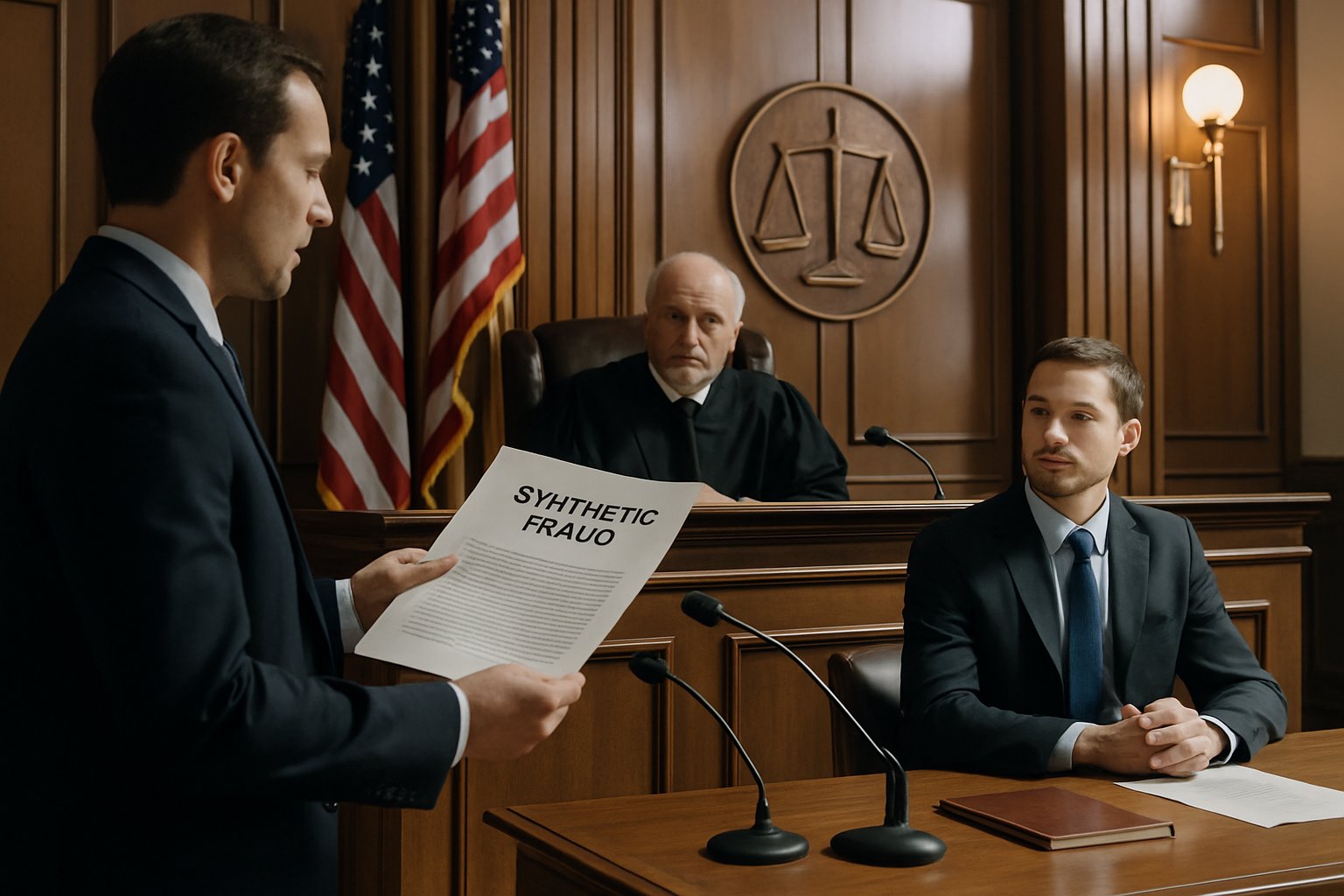
The problem stems from hallucinations that invent case law, misquote precedents, or fabricate exhibits. These errors create Synthetic Fraud when submitted as genuine authority, exposing firms to heavy sanctions. Meanwhile, an online tracker documents 972 incidents worldwide, with 676 arising in United States courts.
Moreover, Stanford researchers found hallucination rates above 17 percent across leading retrieval-augmented systems. Therefore, legal professionals must understand the contours of this Synthetic Fraud epidemic and adopt disciplined safeguards.
Courtrooms Face Synthetic Fraud
Early warnings appeared in 2023 when Mata v. Avianca shocked the bar. However, 2025 marked an inflection as large firms like K&L Gates faced public humiliation. In Lacey v. State Farm, a brief containing nine fictional authorities triggered $31,100 in costs. Consequently, courts now inspect filings for hallmarks of Synthetic Fraud before accepting them into record.
Judges note that Impersonation of legitimate precedents erodes trust more than simple citation mistakes. Furthermore, fabricated holdings mislead even diligent clerks, delaying justice and burdening already crowded dockets. Subsequently, litigants endure avoidable Penalties, appeals, and reputational damage after relying on tainted briefs.
The courtroom data reveal an undeniable trend toward harsher responses. Nevertheless, sanctions continue intensifying, leading directly into the next discussion.
Sanctions Escalate With Penalties
Financial consequences now reach five-figure territory, dwarfing early symbolic fines. For example, California appellate judges imposed $10,000 on counsel who cited 21 fictitious quotes. Meanwhile, special masters do not hesitate to recommend cost shifting for wasted judicial resources. In contrast, repeat offenders risk bar referrals and suspension, illustrating a spectrum of Penalties.
Beyond money, orders often require continuing education on AI research and document verification. Consequently, firms must track attendance and maintain compliance logs to satisfy monitoring courts. Moreover, some standing orders demand pre-filing certifications that no Synthetic Fraud contaminates submissions.
Sanctions now touch wallets, licenses, and calendars alike. Therefore, understanding root technological causes becomes essential.
Benchmarks Expose Ongoing Risks
Academic scrutiny offers empirical clarity beyond anecdote. Stanford RegLab tested commercial research tools, finding mis-grounded or fabricated content in 17 to 34 percent queries. Moreover, general-purpose chatbots produced errors at twice those rates, highlighting systemic vulnerability. These findings confirm that Synthetic Fraud persists even when Retrieval-Augmented Generation supplies context.
Additionally, the study underscores that Impersonation and Forgery often slip past automatic citation checkers. Consequently, human verification remains mandatory despite vendor marketing promises. Researchers therefore call for transparent benchmarks and shared test datasets across jurisdictions.
The numbers dismantle assumptions about flawless legal AI. Next, regulatory bodies translate data into enforceable obligations.
Regulators And Bars React
Ethics authorities now codify expectations around AI supervision. ABA Formal Opinion 512 emphasizes competence, confidentiality, and disclosure when Synthetic Fraud risks appear. Furthermore, many state bars echo that guidance and threaten discipline for careless adoption. Meanwhile, individual judges issue standing orders requiring counsel to certify manual review of every citation.
In contrast, some jurisdictions experiment with model local rules that mandate disclosure of tool names and parameters. Additionally, policy drafters consider safe-harbor clauses for sealed filings processed on secure platforms. Bar leaders argue that clear procedures reduce Penalties by aligning practice with technology realities.
Regulatory momentum shows no sign of slowing. Consequently, law firms now race to upgrade internal defenses.
Firms Strengthen AI Security
Corporate counsel view AI policies as both shield and sword. Moreover, risk committees map workflow stages where Impersonation or Forgery could enter drafts. Teams now adopt dual-review models, pairing junior researchers with automated citation scrapers. Consequently, any detected Synthetic Fraud triggers escalation to a supervising partner for correction.
Technical controls also matter. Therefore, many organizations restrict public chatbots and deploy vetted RAG tools inside private Security sandboxes. Professionals can enhance their expertise with the AI+ Network Certification™. Additionally, audit trails log prompts, outputs, and approvals for post-mortem analysis if issues arise.
These safeguards tighten defenses without eliminating efficiency gains. Nevertheless, vigilance must persist as the landscape evolves.
Future Outlook And Actions
Experts anticipate continued growth in incident databases and more granular sanction data. Moreover, courts may standardize certification language, streamlining enforcement across districts. Vendors therefore face pressure to publish validated hallucination metrics and independent audit results. In contrast, firms lacking documented controls will confront harsher Penalties from frustrated judges.
Industry leaders recommend the following immediate steps:
- Adopt written AI policies spelling out verification duties.
- Provide annual training on Impersonation, Forgery, and citation checking workflows.
- Implement secure, logged RAG platforms to bolster Security measures.
- Track Synthetic Fraud incidents internally and report lessons learned firm-wide.
Subsequently, this proactive posture will mitigate exposure and preserve client confidence. The future belongs to teams that integrate technology with rigorous governance. Therefore, the final takeaways deserve concise reflection.
Synthetic Fraud has shifted from novel anomaly to systemic legal threat. Courts now wield fines, referrals, and continuing education mandates to deter further abuse. Meanwhile, benchmarks expose persistent error rates that demand cautious adoption of every AI tool. Bar associations and regulators translate data into binding duties, raising the cost of complacency. Consequently, firms embracing structured policies, robust Security layers, and continuous training will navigate this transition successfully. Professionals seeking deeper technical insight should pursue the AI+ Network Certification™ credential to validate expertise. Take action now, verify each citation, and transform responsible AI use into a competitive edge.


