

AI CERTs
2 hours ago
Super Bowl Sparks Chatbot Warfare
Few campaigns ignite industry drama like a Super Bowl spot. Consequently, Anthropic’s “A Time and a Place” ads did just that. The creative portrayed intrusive sponsored responses before promising users a sanctuary: Claude will stay ad-free. The gambit immediately escalated Chatbot Warfare. However, OpenAI struck back online within minutes. The clash now shapes business models, regulatory debates, and enterprise roadmaps.
Super Bowl Spotlight Clash
Anthropic bought a 60-second pre-game and a 30-second in-game slot. Industry estimates place the combined bill near $15 million. Moreover, the company told Adweek it expected 120 million viewers. OpenAI never appeared on-screen, yet the narrative clearly targeted ChatGPT. Sam Altman called the spots “dishonest” on X. Nevertheless, the posts amplified reach and cemented public perception of a brewing conflict.
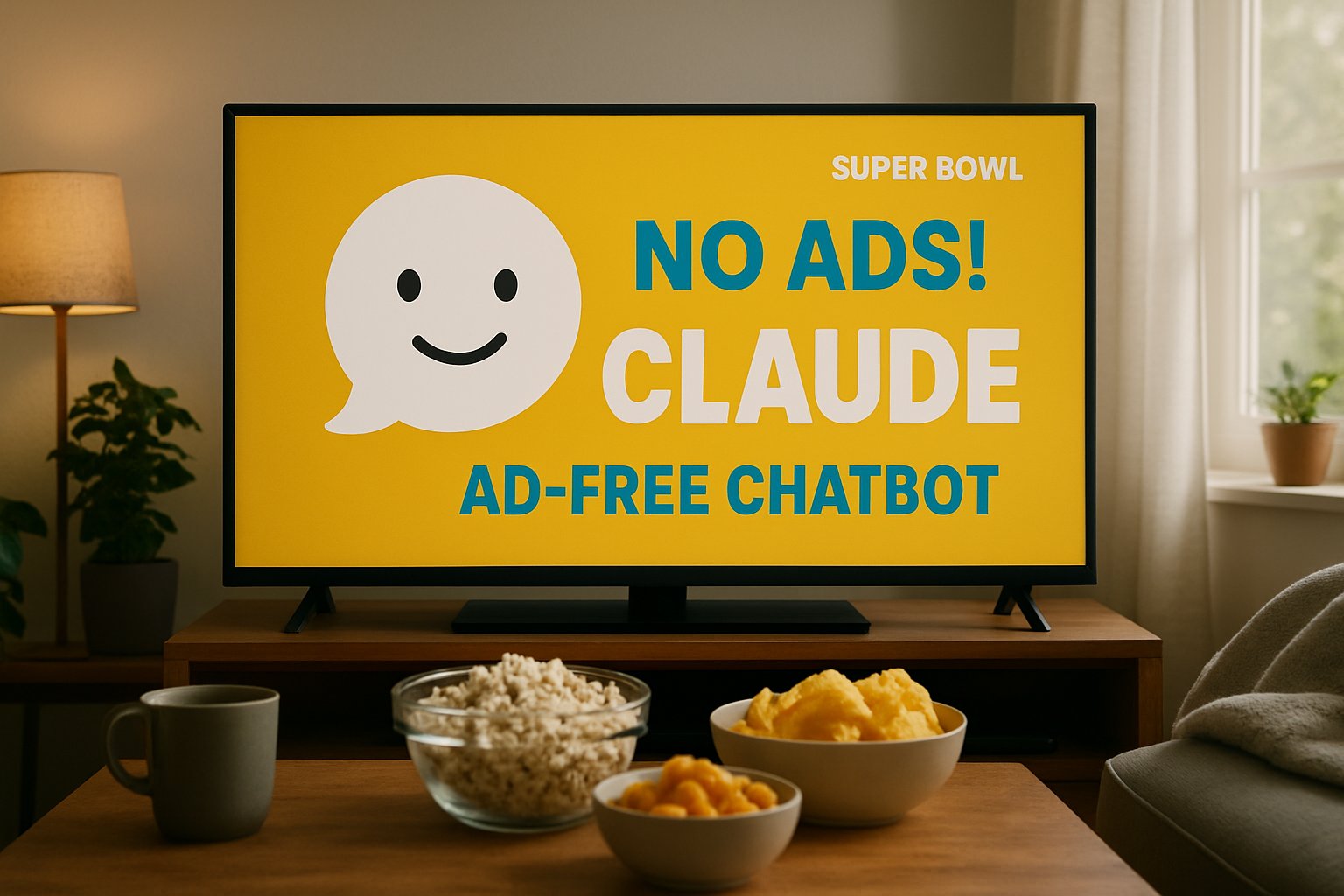
These moves illustrate aggressive positioning. Furthermore, they reveal how advertising itself becomes a weapon in Chatbot Warfare. Super Bowl exposure generated mainstream awareness of a technical monetization dispute. Consequently, investors, regulators, and marketers all took notice.
Diverging Monetization Models Compared
OpenAI favors an ad-supported freemium tier. Ads appear below answers for U.S. adults on Free and Go plans. Additionally, ChatGPT Plus remains ad-free. The company argues subsidies keep powerful AI accessible to billions. Marketing experts agree scale demands new revenue channels.
In contrast, Anthropic pursues subscription and enterprise contracts. Executives insist Claude must avoid ads to preserve trust. Analysts warn that stance requires rapid paid growth. Therefore, each firm bets on different levers: volume versus purity. The divergent strategies underpin this round of Chatbot Warfare.
Key financial comparisons emerge:
- OpenAI reports 800 million weekly ChatGPT users.
- Anthropic has not disclosed comparable figures publicly.
- Super Bowl spots cost roughly $8-$10 million each.
- Subscription revenue must offset such marketing outlays.
These data underline escalating stakes. However, the path to sustainable margins remains uncertain for both rivals.
Trust Concerns Intensify Battle
Conversation-specific ads worry privacy advocates. Critics claim embedded promotions blur lines between assistance and influence. Moreover, sensitive topics like health or politics raise manipulation fears. OpenAI promises clear labels and separation. Nevertheless, watchdogs question algorithmic biases that could favor sponsors.
Anthropic capitalized on that anxiety. Consequently, its narrative resonated with professionals handling confidential tasks. Meanwhile, marketing scholars noted an emotional play: defending user autonomy. Such framing supplies potent ammunition in Chatbot Warfare. Yet, skeptics remind audiences that Anthropic might revise policies later. Therefore, credibility will require ongoing transparency.
Regulatory Scrutiny Mounts Fast
Senator Ed Markey demanded detailed ad safety plans from major AI firms by February 12. Furthermore, the letters highlighted youth protection and data privacy. The Federal Trade Commission monitors similar issues. Consequently, any misstep could invite enforcement.
OpenAI published exclusion rules for minors and sensitive conversations. Additionally, it collects feedback on sponsored slots. Anthropic provided assurances that Claude remains ad-free for now. However, regulators may still press for audits. Thus, governance pressure tightens as Chatbot Warfare advances.
Two-line summary: Policy makers intensify oversight. Therefore, compliance costs will rise for every conversational platform.
Transition: Regulatory heat influences brand messaging, so marketing fallout deserves inspection next.
Marketing Fallout Analysis Complete
The campaign delivered enormous earned media. Fortune, TechCrunch, and Adweek published reaction pieces within hours. Moreover, branding professor Scott Galloway argued Altman’s public anger validated Anthropic’s strategy. In contrast, some advertisers feared overstated claims could backfire.
Social listening firms tracked sentiment spikes:
- #Claude trended worldwide for seven hours.
- OpenAI’s rebuttal posts reached 25 million impressions.
- Super Bowl viewers recalled the spot more than several auto ads.
Consequently, marketers now study this duel as a masterclass in provocation. Yet, reliance on expensive television buys remains risky. Therefore, future rounds of Chatbot Warfare may pivot toward cheaper interactive media.
Section takeaway: Earned attention can outweigh cost. However, message accuracy must survive public scrutiny.
Transition: Beyond perception, executives face concrete revenue and cost implications.
Business Stakes Forecast Ahead
Running large language models incurs vast compute bills. OpenAI seeks ad revenue to subsidize free usage. Meanwhile, Anthropic invests heavily in model alignment research. Both firms raise capital frequently, yet investors expect clearer paths to profit.
Moreover, enterprise clients negotiate strict data-use terms. Many legal teams already question advertising inside productivity workflows. Professionals can enhance their expertise with the AI Legal Strategist™ certification. Consequently, contract clauses around promotional content will tighten.
Analysts project three possible outcomes:
- OpenAI refines ad formats and maintains rapid user growth.
- Anthropic converts publicity into paid Claude subscriptions.
- Regulators impose uniform disclosure standards across chatbots.
These scenarios will influence valuation models. Therefore, investors monitor every move in this Chatbot Warfare.
Summary: Profit blueprints diverge sharply. Nevertheless, both depend on sustained public trust.
Transition: Strategic insights now crystallize for wider industry leaders.
Strategic Lessons Learned Today
First, timing matters. Launching the campaign just after OpenAI’s ad announcement maximized contrast. Secondly, simple messaging beats feature lists. “No ads” resonates better than technical diagrams. Moreover, provoking a rival’s CEO can amplify coverage, yet risk reputational blowback.
Third, responsible Marketing must balance bold claims with factual grounding. Additionally, legal teams should vet comparative spots to avoid deceptive-advertising charges. Fourth, crisis response speed shapes narrative outcomes. OpenAI’s immediate social rebuttal showed agility, although tone drew mixed reviews.
Finally, diversified revenue buffers experimentation risks. Consequently, executives mapping growth plans should model alternate paths early. These insights extend beyond current Chatbot Warfare and apply to any high-stakes platform rivalry.
Section wrap-up: The confrontation offers a playbook of dos and don’ts. In contrast, misapplied tactics could erode stakeholder confidence.
Transition: A concise conclusion will distill essential signals.
Conclusion
Anthropic’s Super Bowl gambit transformed a technical dispute into headline news. Moreover, OpenAI’s swift retaliation confirmed the importance of perception in AI adoption. Regulatory probes, revenue models, and long-term trust now intertwine. Consequently, the industry watches every statement for hints of strategic direction.
Professionals seeking deeper legal insight should explore the linked certification above. Meanwhile, stay alert as the next phase of Chatbot Warfare unfolds. Your future competitive strategy may depend on lessons learned today.


