

AI CERTS
3 hours ago
Starmer AI plan: compute, data, and governance opportunities
However, critics warn the proposals could outrun privacy safeguards, grid capacity, and departmental capability. Moreover, £14 billion of private investment was pledged on launch day, signalling huge market expectations. Therefore, executives, regulators, and researchers now race to interpret what the announcement actually means in practice. This article unpacks the action plan, implementation timeline, investment landscape, governance risks, and required skills. Along the way, it weighs contrasting perspectives to help leaders decide when, where, and how to engage. Finally, actionable certification pathways are included for professionals seeking a competitive edge.
Plan Unveiled: Key Details
Matt Clifford CBE authored the independent report after six months of consultation with scientists, executives, and unions. In parallel, the government published a formal response committing to every recommendation. The Starmer AI plan proposes state controlled compute, curated data sets, and simplified planning rules for infrastructure. Additionally, it calls for rapid AI pilots in health, education, and welfare to demonstrate public value. Peter Kyle, Science Secretary, said the plan shows how AI fits a modern social market economy. Meanwhile, Starmer pledged a 20-fold expansion of the AI Research Resource by 2030. He added, “We will increase public sector compute by twenty times.” Therefore, policymakers see the compute target as the plan's centrepiece. However, the National Data Library may prove equally consequential, because curated datasets drive model accuracy and transparency. These milestones illustrate the agenda's scale; nevertheless, delivery will test departmental capacity.
In short, the blueprint fuses major compute investment with data and service reform. Consequently, the next section examines hardware ambitions behind the commitments.
Compute Ambitions And Data
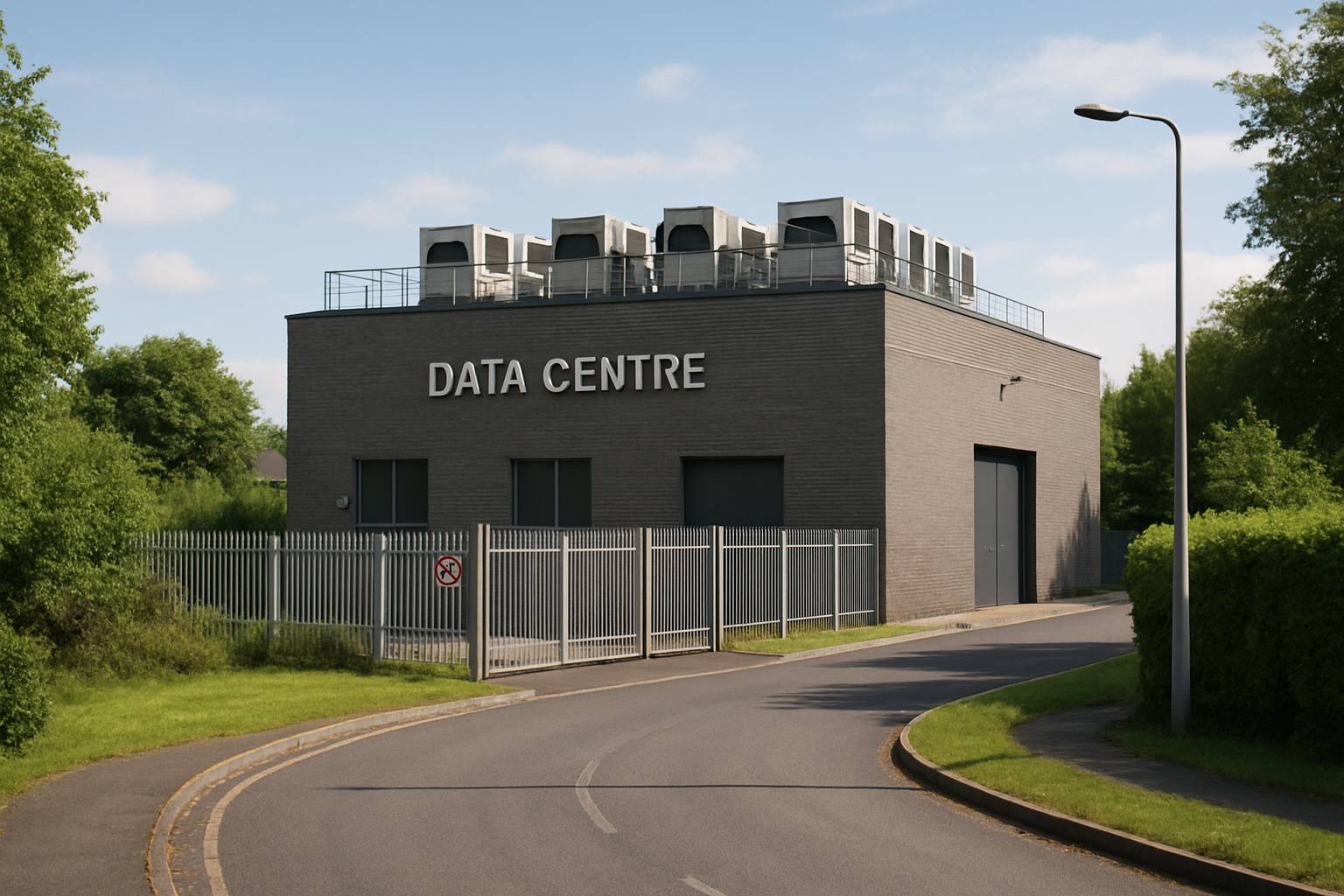
Sovereign compute anchors the Starmer AI plan because advanced models require vast, reliable resources within the UK. Currently, AIRR clusters supply only a fraction of demand from universities and startups. Therefore, the government wants at least 20 times more capacity by 2030, plus a new national supercomputer.
- 20x AIRR capacity targeted by 2030.
- New sovereign supercomputer to be commissioned.
- Five high-impact public datasets slated for release.
Moreover, officials talk about blended financing, combining Treasury capital with commercial partnerships. Critics query whether energy constraints and grid connections will keep pace. In contrast, industry leaders argue bold capacity signals attract further foreign direct investment. Parallel to compute, the National Data Library promises high-quality, privacy-protected public data for innovators. The plan identifies five high-impact datasets to release under strict governance rules. However, think-tank analysis stresses the complexity of cleaning, labeling, and standardising departmental files. Policy experts recommend phased pilots to refine consent models before any large NHS dataset moves. According to the Starmer AI plan, compute and data must advance together. These intertwined compute and data commitments underpin expected productivity growth. Subsequently, investment announcements have started reflecting that narrative. The following section explores those commercial pledges.
Industry Investment And Jobs
Launch day saw Vantage, Nscale, and Kyndryl pledge £14 billion toward new British data centres. Consequently, government briefings highlighted 13,250 projected jobs across engineering, construction, and operations. Advocates claim these announcements validate the Starmer AI plan as a magnet for international capital. Meanwhile, ministers note the UK has attracted more than £25 billion in AI investment since 2020. However, observers await binding contracts and detailed timelines for each site. Foreign Policy commentators warn generous incentives could inflate costs without delivering lasting regional growth. Nevertheless, AI Growth Zones promise streamlined planning and improved grid access, starting with Culham, Oxfordshire. Industry groups such as techUK urge early clarity on energy pricing to maintain competitiveness. Subsequently, share prices of several UK listed data-centre suppliers rose modestly after the speech. Policy certainty around tax and electricity remains a precondition for further private commitments.
- £14 billion pledged by Vantage, Nscale, Kyndryl.
- 13,250 projected jobs across engineering and operations.
- Over £25 billion attracted since 2020.
These market signals contrast with civil-service caution explored next.
Governance Risks And Critiques
Every ambitious programme attracts scrutiny, and the Starmer AI plan is no exception. Privacy campaigners fear anonymised health records could still allow re-identification attacks. Furthermore, unions question whether automation rhetoric masks future headcount cuts. Susie Alegre reminds policymakers of the Post Office scandal, urging robust accountability frameworks. Moreover, environmental groups calculate large compute clusters may strain renewable deployment schedules. Foreign Policy magazine even labelled the initiative “a disaster,” citing undefined risk thresholds. Nevertheless, Starmer's ministers insist adaptive regulation and the AI Safety Institute will monitor harms. In contrast, academics argue that voluntary guidance lacks enforceable teeth. Therefore, parliamentary select committees will likely escalate oversight during 2025. These debates showcase divergent risk appetites; meanwhile, implementation deadlines keep approaching.
Collectively, the critiques underscore that social licence remains fragile. Consequently, the implementation timetable demands close monitoring.
Implementation Timeline To Watch
Government response papers outline several near-term checkpoints. Within six months, DSIT must publish a long-term compute roadmap and begin AIRR expansion procurement. Concurrently, officials will finalise criteria for the first five National Data Library datasets. Additionally, Culham Growth Zone will receive expedited planning decisions and grid upgrades. Policy teams inside Number Ten will embed Matt Clifford as resident adviser to track delivery. Meanwhile, Treasury and Ofgem are expected to create an AI Energy Council for cost modelling. Subsequently, departments piloting AI tools must publish impact assessments before full rollout. Therefore, observers should monitor budget reviews for concrete funding allocations. The schedule reveals a high execution tempo. Next, we turn to talent readiness. Observers ask whether departmental timelines match the Starmer AI plan’s ambitious delivery rhythm.
Skills Training And Certifications
Successful delivery depends on people who can translate models into mission value. Consequently, the Starmer AI plan emphasises workforce upskilling across government and industry. The Action Plan’s annex lists roles ranging from prompt engineer to strategic AI lead. Professionals can boost expertise through the AI for Human Resources™ certification. Moreover, DSIT will launch an AI Academy to train 2,000 civil servants annually. Private providers, universities, and bootcamps already report surging demand for specialised AI curricula. Therefore, talent pipelines could become the decisive constraint on national AI expansion. As the Starmer AI plan rolls out, departments will compete for scarce machine learning talent. In summary, skills investment underpins every infrastructure promise. Consequently, stakeholders must prioritise human capital alongside hardware.
Conclusion And Next Steps
The Starmer AI plan sets a sweeping agenda linking compute, data, talent, and delivery benchmarks. Supporters forecast £47 billion annual growth and global influence for the UK technology sector. However, detractors highlight privacy, energy, and governance risks that could erode public trust. Nevertheless, early industry pledges and clear Policy milestones suggest momentum is real. Therefore, executives should track budgets, dataset releases, and Growth Zone approvals throughout 2025. Professionals eager to lead implementations can start by securing targeted credentials and joining cross-sector forums. Take action now: enrol in a recognised AI certification and position yourself at the forefront of UK innovation.


