

AI CERTS
4 hours ago
Sporting Conflict: Iran, FIFA, and 2026 World Cup Turmoil
Moreover, U.S. President Trump has promised visas and security, but trust remains thin. Industry professionals must decipher complex regulations, financial risks, and ethical debates before events overtake planning.
Origins Of Current Crisis
Iran qualified on 25 March 2025 with a draw against Uzbekistan. However, relations with the United States deteriorated soon after. Subsequently, Washington imposed tighter travel controls on Iranian officials. In contrast, FIFA sought guarantees that sport could transcend geopolitics. Early warnings signaled a looming Sporting Conflict that could distort the expanded 48-team format. Experts like Jules Boykoff called the host-competitor clash historically unique. These foundations frame every later decision. However, no formal withdrawal letter has yet surfaced.
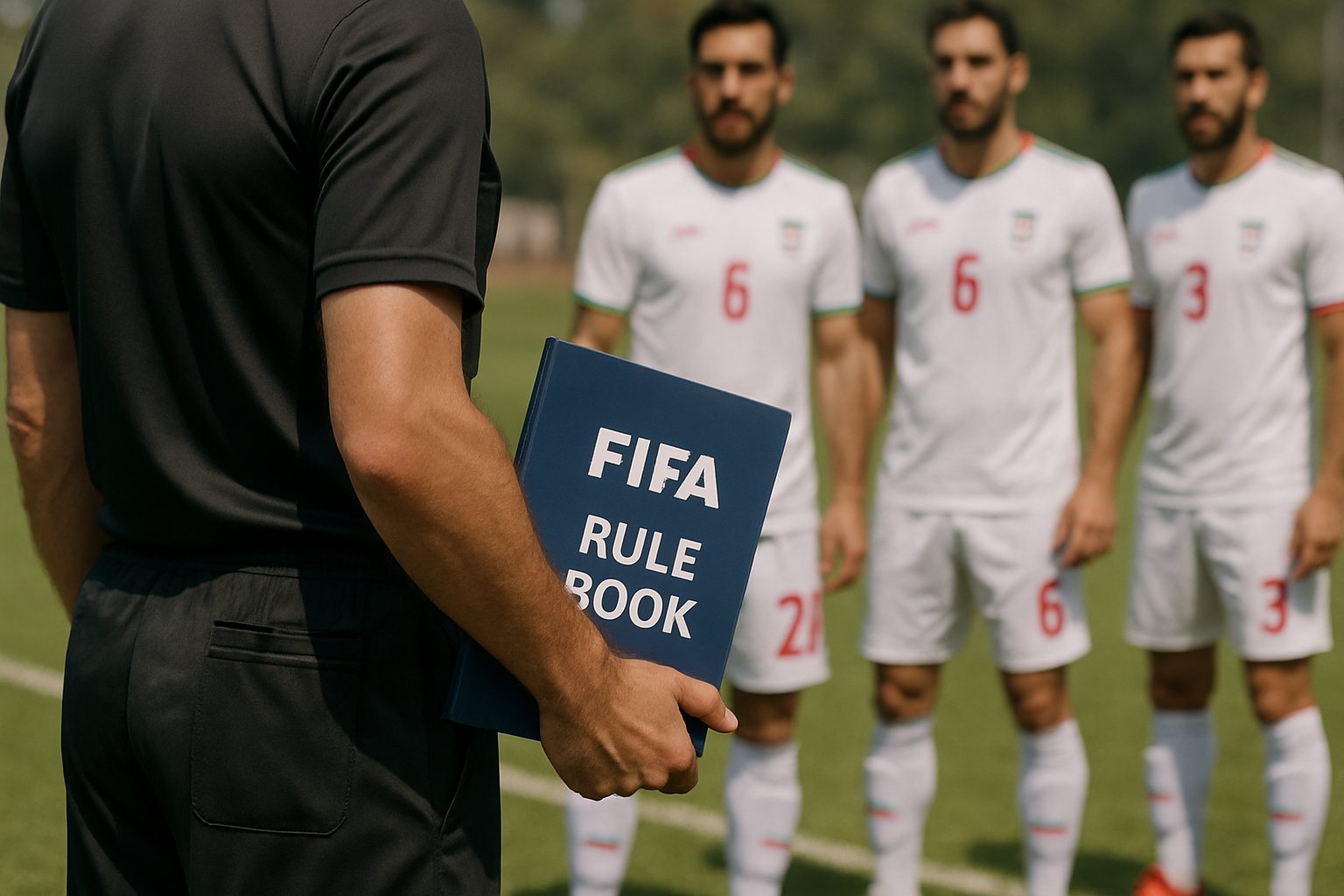
These historical threads clarify root causes. Nevertheless, escalating events would soon sharpen tensions.
Visa Dispute Ignites Tensions
November 2025 saw U.S. authorities deny visas to several Iranian federation delegates. Therefore, Tehran threatened to boycott the tournament draw in Washington. A reduced delegation finally attended on 5 December, yet distrust deepened. Moreover, international media highlighted the symbolic snub. The episode represented Sporting Conflict instance two, showing how bureaucracy can inflame wider hostilities. FIFA publicly thanked the United States for partial flexibility, but Iranian media framed the compromise as humiliation.
This diplomatic clash foreshadowed bigger problems. Consequently, leaders braced for further deterioration.
Military Escalation Complicates Tournament
Late February 2026 changed the equation. U.S. and Israeli strikes killed Iran’s Supreme Leader, sparking open hostilities. Subsequently, Sports Minister Ahmad Donyamali announced, “Under no circumstances can we participate.” Furthermore, FFIRI president Mehdi Taj echoed that stance. Trump swiftly told FIFA President Infantino that the Iranian squad would be welcome. Nevertheless, Tehran dismissed the assurance as inadequate. Security analysts warned that team movements could become targets, raising practical safety concerns for players and fans. The Sporting Conflict now involved live warfare, not mere rhetoric.
Escalation has intensified legal complexity. However, FIFA still holds discretionary power under Article 6.
FIFA's Regulatory Tightrope Walk
Article 6 of the World Cup regulations grants FIFA sweeping authority over withdrawals. Consequently, the body may fine associations, reallocate spots, or adjust schedules. Meanwhile, disciplinary fines could exceed six figures, with forfeited prize funds around $10.5 million. Replacement criteria remain vague, giving administrators room yet exposing them to accusations of inconsistency. Moreover, legal scholars note that politicised application of rules threatens FIFA’s credibility. Utilising regulatory opacity to resolve a Sporting Conflict can satisfy short-term needs but corrode long-term trust.
Such legal discretion offers flexibility. Nevertheless, every outcome sets a precedent that future hosts will scrutinise.
Financial Stakes For Iran
Withdrawing risks heavy financial loss. Preparation grants of roughly $1.5 million would vanish immediately. Additionally, Iran would forfeit group-stage appearance fees and potential performance bonuses. Washington Post estimates place the minimal cash hit above $10 million. Furthermore, future participation bans could erode sponsorship confidence for years. Conversely, attending could expose athletes to personal risk and domestic backlash. Iranian officials therefore weigh treasury impacts against national honour. The Sporting Conflict thus moves from stadium grass to balance sheets.
Financial calculus influences Tehran’s rhetoric. However, emotional and security drivers may yet outweigh money.
Replacement Scenarios And Timelines
If Iran exits, FIFA has three primary options:
- Invite the next AFC qualifier, likely Iraq or UAE.
- Run Group G with only three teams.
- Redraw groups and reschedule fixtures entirely.
Each path disrupts broadcasting deals, ticket allocations, and training bases. Consequently, organisers prefer minimal structural change. Reports indicate provisional talks with Iraq’s federation, yet no formal standby request exists. Moreover, any replacement must secure visas, travel, and training sites within weeks. Therefore, FIFA’s operations chief Heimo Schirgi monitors logistics daily. Delayed decisions compress lead times, magnifying risk.
These scenarios underline operational fragility. Nevertheless, decisive action soon remains essential to preserve tournament integrity.
Player Welfare And Safety
Beyond geopolitics, player safety dominates discussions. FIFPRO and rights NGOs demand verifiable security guarantees. Meanwhile, several women’s national players sought asylum in Australia after refusing to sing the anthem. Their plight intensified scrutiny on athlete welfare. Furthermore, Iranian men’s stars Mehdi Taremi and Sardar Azmoun reportedly fear reprisals regardless of travel choice. Trump’s verbal guarantee pleases FIFA yet lacks published protocols. Consequently, confidence among squads and supporters stays low. Professionals can enhance their expertise with the AI Policy Maker™ certification, gaining tools to analyse governance risks in such Sporting Conflict scenarios.
Human security remains the tournament’s moral barometer. However, definitive protection plans are still absent.
Key Takeaway Summary
• Sporting Conflict now blends warfare, diplomacy, and football.
• FIFA wields broad yet risky discretion.
• Financial, logistical, and ethical stakes all escalate quickly.
These condensed points highlight why swift clarity is vital. Consequently, stakeholders must coordinate before deadlines lapse.
Conclusion And Next Steps
The approaching kickoff leaves little margin for indecision. Moreover, every delay deepens uncertainty for broadcasters, fans, and athletes. FIFA must verify whether a formal withdrawal has arrived and publish contingency plans. Meanwhile, Tehran must decide between symbolic resistance and substantial financial loss. Consequently, the Sporting Conflict will either resolve through pragmatic compromise or culminate in historic absence. Professionals tracking global sport should monitor official filings, visa policies, and replacement alerts. Additionally, gaining structured policy insight through specialist learning can sharpen analysis. Therefore, explore relevant certifications and stay informed as events unfold.


