

AI CERTs
2 hours ago
Shopify, Google Debut Universal Commerce Protocol Standard
Retail tech witnessed a jolt when Shopify and Google launched the new Commerce Protocol on January 11. The open standard promises agentic shopping across Search AI Mode, Gemini, and millions of Shopify storefronts. Consequently, retailers are scrambling to decode what actually switched on and what remains in phased rollout. This article unpacks the milestone, technical underpinnings, early business impact, and looming challenges. Moreover, you will find concrete actions for merchants, payment providers, and developers preparing for the next wave. Stay through to leverage the Commerce Protocol faster and sharpen your strategic edge.
Commerce Protocol Launch Overview
January 11 marked the public reveal at the National Retail Federation stage. Meanwhile, Google published ucp.dev and showcased embedded checkout running inside Search AI Mode. Joint Shopify Google effort drew applause from payments providers and big-box retailers alike. Shopify echoed the news, stating that millions of merchants would soon enjoy native Google surfaces. However, only the specification and partner endorsements are live today; consumer features remain in a controlled rollout. Therefore, analysts should separate protocol availability from merchant experience timelines. The Commerce Protocol is therefore live in documentation, not yet in every checkout flow.
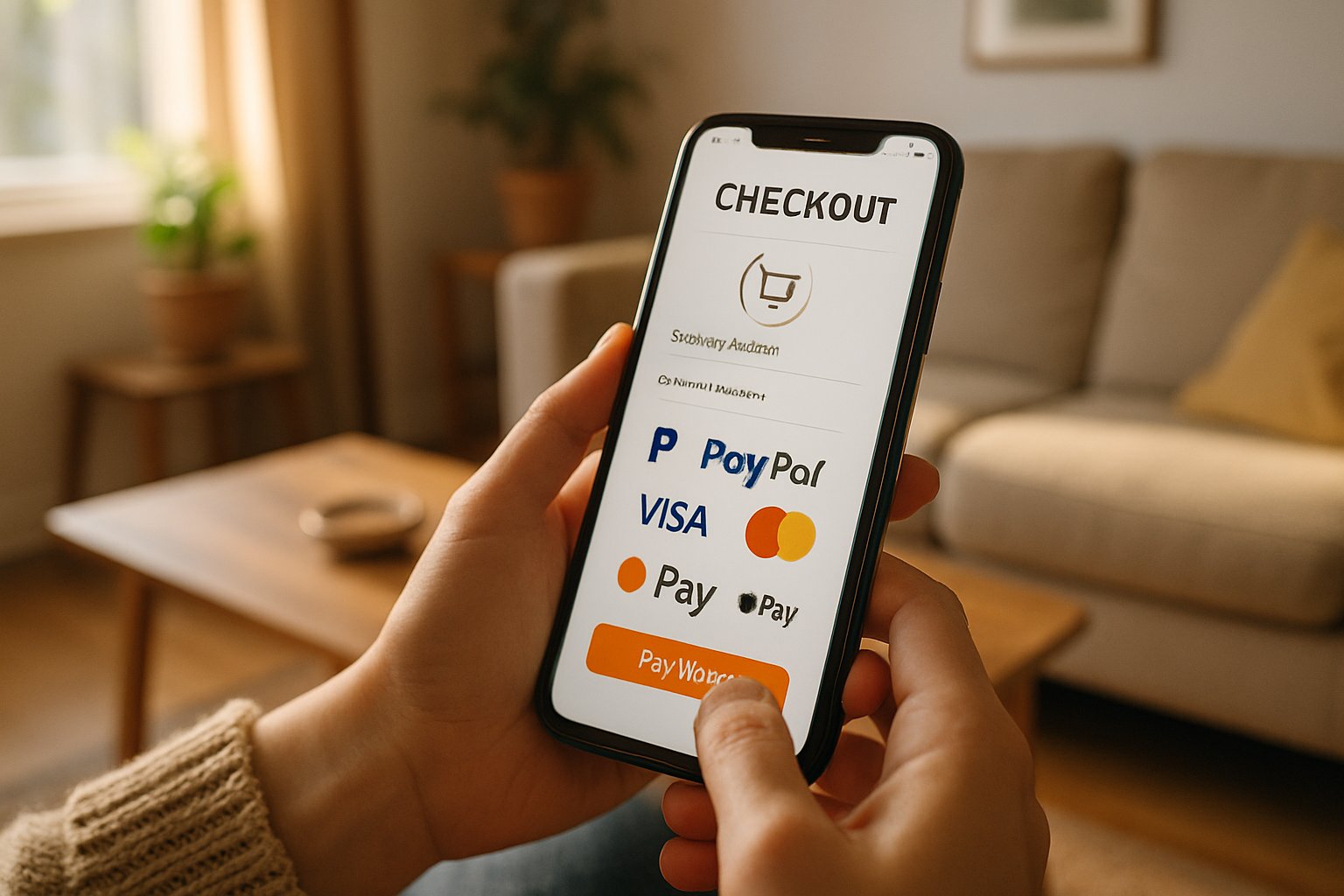
- Announcement date: January 11, 2026, at NRF.
- More than 20 endorsers, including Visa and PayPal.
- Initial rollout limited to eligible U.S. retailers on Google AI surfaces.
Coverage highlighted around 30 supporting logos, spanning retailers, payments, and commerce service providers. Therefore, momentum appears strong even before consumer rollout scales. Key takeaway: the spec exists, yet user reach is gated. Consequently, deeper technical insight matters next.
Agentic Shopping Explained Clearly
Agentic shopping lets an AI assistant handle discovery, selection, payment, and support without breaking conversation. Moreover, the assistant negotiates capabilities with merchant systems before committing to a transaction. UCP defines that negotiation so both parties agree on stock, fulfilment, payments, and loyalty. In contrast, previous buy buttons forced rigid handoffs that broke conversational context. With the Commerce Protocol, an agent can escalate to an embedded checkout only when human input is essential. These mechanics aim to reduce friction and raise conversion. Consequently, early pilots may reveal shorter funnels and higher average order values. Shopify Google intend to introduce Direct Offers that allow agents to present personalized discounts during conversation. Therefore, dynamic pricing may become mainstream once machine learning optimizes incentive timing. AI agents now get a common language for commerce. Next, we examine how that language is built.
Technical Architecture Highlights Unpacked
UCP follows a layered, composable design that mirrors internet protocols like HTTP. Additionally, merchants publish capability profiles; agents publish complementary profiles. During a session, both sides compute an intersection, thereby enabling only mutually supported modules. Checkout, Orders, and Catalog modules sit in the core layer, while extensions cover fulfillment and loyalty. Moreover, payments rely on handler specifications advertised by merchants and matched by wallets. The Commerce Protocol supports handlers such as Google Pay, Shop Pay, and PayPal without locking anyone in. Subsequently, if an agent needs human confirmation, Embedded Checkout Protocol launches an iframe preserving PCI isolation. Shopify engineers note that this flow borrows lessons from their Checkout Kit and millions of transactions. Developers seeking deeper mastery can read ucp.dev or pursue the AI Robotics Specialist™ credential. With the Commerce Protocol, technical teams implement one integration and reach every compliant agent. Importantly, UCP references complementary protocols like Agent Payments Protocol and Model Context Protocol for broader extensibility. Industry experts see this modular stack as critical for long-term governance and standard bodies involvement. UCP’s modularity future-proofs integrations against new payment types. Next, we assess merchant economics.
Merchant Impact And Opportunities
Merchants gain instant exposure across Search AI Mode, Gemini, and other agentic surfaces once onboarded. Furthermore, Shopify promises a single toggle within Admin to activate eligible catalogs. That promise matters for small brands lacking engineering muscle. Early partners like Lowe’s and Reebok expect frictionless upsells through Google’s Business Agent. Moreover, the handler model lets merchants keep preferred PSP relationships and negotiate fees. With the Commerce Protocol in place, smaller sellers can reach new buyers without surrendering data ownership. However, implementing regional tax, promotion stacking, and loyalty logic inside capability profiles will demand careful testing. Surveyed Shopify Google pilot merchants report setup requiring under one sprint when leveraging existing Checkout Kit integrations. Consequently, lean teams can participate without giant budgets. Key takeaway: opportunity is broad, but operational diligence remains crucial. We now pivot to risks and rivals.
Risks Challenges And Competition
No breakthrough arrives without hurdles. Nevertheless, early reviewers at The Verge recorded glitches in embedded checkout flows. Fragmentation also looms because OpenAI and Microsoft back competing agentic standards. Consequently, merchants may juggle multiple SDKs until convergence emerges. Privacy advocates question how shopper data will move across large platforms like Shopify Google and payment networks. Regulators could step in if power centralizes too sharply. The Commerce Protocol mitigates some fears by keeping payment choice granular, yet scrutiny will intensify. In contrast, failing to join early could strand merchants on isolated channels if another standard wins. Moreover, support teams must train agents to escalate gracefully when negotiation fails. Risks are real but addressable. Therefore, proactive governance will shape adoption.
Next Steps For Stakeholders
Executives should first read the public spec and map capability gaps against existing checkout flows. Meanwhile, engineering teams can prototype negotiation endpoints using the reference implementation on GitHub. Payments providers ought to publish handler specs so wallets appear during agent selection. Furthermore, journalists should request rollout metrics from Shopify Google to gauge real conversion impact. Professionals can reinforce their technical fluency through the AI Robotics Specialist™ course. Once the Commerce Protocol reaches global coverage, prepared organizations will capitalize fastest. Developers should also watch emerging SDKs from independent contributors that abstract negotiation logic. Consequently, early tooling can accelerate proof-of-concept velocity.
- Review ucp.dev documentation.
- Map capability gaps internally.
- Publish payment handler specs.
- Monitor Shopify Google rollout metrics.
Key takeaway: start planning integration experiments today. Finally, we close with critical reflections.
The agentic retail era is forming quickly. Moreover, UCP gives merchants an open, negotiable pathway into AI-driven shopping journeys. Retailers benefit from faster conversations, preserved payment choice, and fresh discovery channels. Nevertheless, success will depend on rigorous testing, privacy safeguards, and responsive governance. Consequently, early adopters stand to capture incremental revenue while shaping best practices. Meanwhile, laggards may face interoperability headaches as standards proliferate. Therefore, prioritize strategic experiments, measure outcomes, and stay engaged with the evolving specification. Consider elevating your expertise through certifications and community forums. Together, the ecosystem can turn powerful technology into trusted customer experiences.


